Sci-fi thriller Disclosure Day marks Steven Spielberg’s 37th feature film as director. Obvious comparisons have been made to his earlier works Close Encounters of the Third Kind (1977), E.T. the Extra-Terrestrial (1982), andA.I. Artificial Intelligence (2001) due to its resurfacing of themes such as otherworldly life, government secrecy, and human unity.
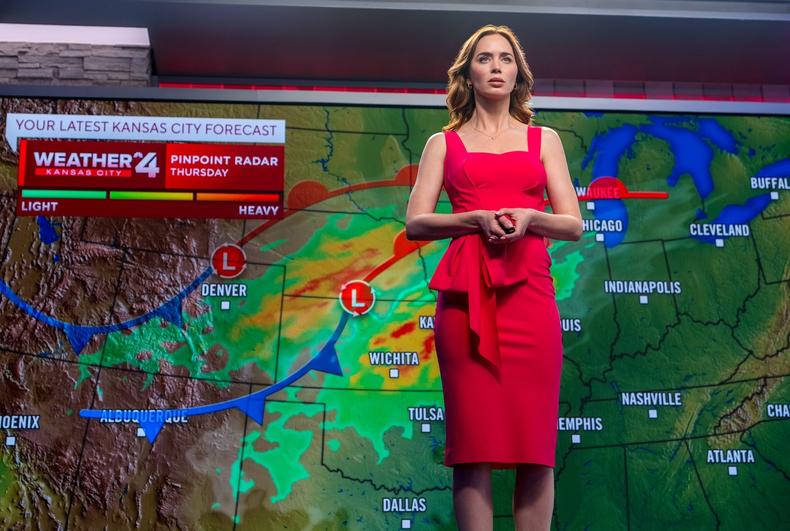
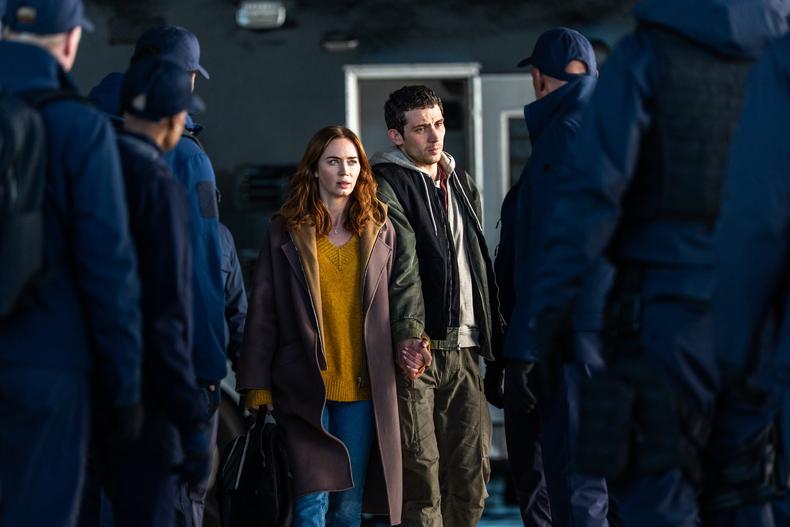
It features a starry ensemble that includes Emily Blunt, Josh O’Connor, Colin Firth, Colman Domingo, and Eve Hewson. At its core is Blunt’s meteorologist, Margaret Fairchild, and O’Connor’s cybersecurity expert, Dr. Daniel Kellner, who team up to reveal the truth about extraterrestrials to the public.
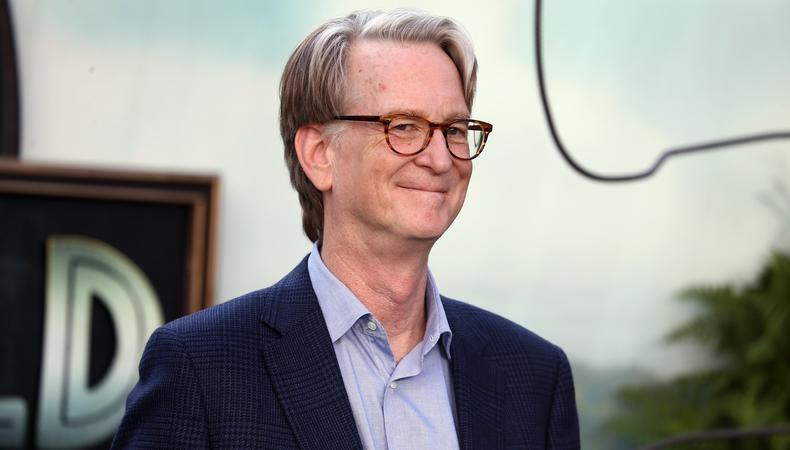
It also reunites Spielberg with his long-time writing partner, screenwriter David Koepp, with whom he previously collaborated on titles in the Jurassic Park and Indiana Jones franchises, among other projects.
In an interview with Backstage, Koepp spoke candidly about his filmmaking process. Here are seven of the best takeaways.
1. In Hollywood, redrafting is the norm.
Koepp claimed he wrote 42 drafts of Disclosure Day over two years, working with Spielberg, who originally wrote the treatment for the movie. They never started over, but they were constantly tweaking lines and issuing new pages. Spielberg was the most focused Koepp has ever seen him, rereading the film’s script every day for a year. Naturally, that many rereads led to alterations.
2. The shower is a great place for solving problems.
Koepp is honest about how he responds when facing challenges while screenwriting. Often he finds cutting a passage or adding a line can solve a problem, but admits even simple solutions can take a long time to execute. “You got to panic, you got to wait, you got to stall, and it’ll occur to you in the shower three days later.” There’s science to back it up. “There’s a thing about that, if you Google it. The hot water flowing over your head stimulates brain activity and also you’re sensory deprived. So it really is great concentration time.”
3. A great screenwriter can discuss their craft, like plumbers talking about wrenches.
Being a great screenwriter is a very particular craft. Koepp draws the comparison to plumbers talking about their wrenches, and stresses the No. 1 responsibility you have when writing a script is to keep the reader’s eyes moving.
4. Write like you’re watching a movie.
Before your movie is seen, it’s going to be read by other people involved in making the project. As the writer, it’s your job to make it as clear as you possibly can to try to simulate the experience of watching a film. Do your best to describe what audiences will see or hear in as engaging a way as possible, but be careful not to over-describe things. “Remember: They’re desperately trying to get through 112 pages of this thing before they have to go to dinner,” Koepp says. It’s your job to preempt that and keep them from putting it down.
5. Some screenwriting rules are there to be broken.
If there’s a screenwriting rule that doesn’t seem to be working for you, try breaking it. Koepp acknowledges screenwriters are generally discouraged from using the phrase “we see” in their action lines, because of its potential to distract readers from the world of the screenplay. But Koepp argues against that, pointing out that when half of what the audience does is see things, why wouldn’t you say, “We see”? The writer says he does it all the time, using his 2024 movie Presence as an example. “I prefer ‘we’ to ‘the camera’,” he says. “It’s just a more elegant, shorter way of saying it.”
6. Write with the director’s point of view in mind.
After working with Spielberg for over 30 years, Koepp has been able to develop a shorthand for understanding what he wants and doesn’t want as a director.
“Steven’s movies were so formative for me when I was younger,” Koepp says, namechecking Jaws, Close Encounters of the Third Kind, E.T., and Raiders of the Lost Ark as “the movies I loved, and the kinds of movies I wanted to make.”
Koepp believes that when you’re writing, your mind slips into the skin of the director you’re writing for. You start to think about the project from their point of view – whether it’s intentional or not – and what you end up with is a hybrid of your point of view and theirs.
7. Actors should say exactly what’s written, unless they can make it better.
As a man of words, Koepp believes it’s part of the job of actors to deliver the lines exactly as they’re written on the page. But he’s willing to make an exception if the actor can make the line better. He uses the example of the British comic Ricky Gervais, who starred in Koepp’s 2008 comedy, Ghost Town. Gervais proved such a gifted improviser, delivering “flights of comedic invention,” that Koepp was happy to “just roll with it and let stuff happen.”