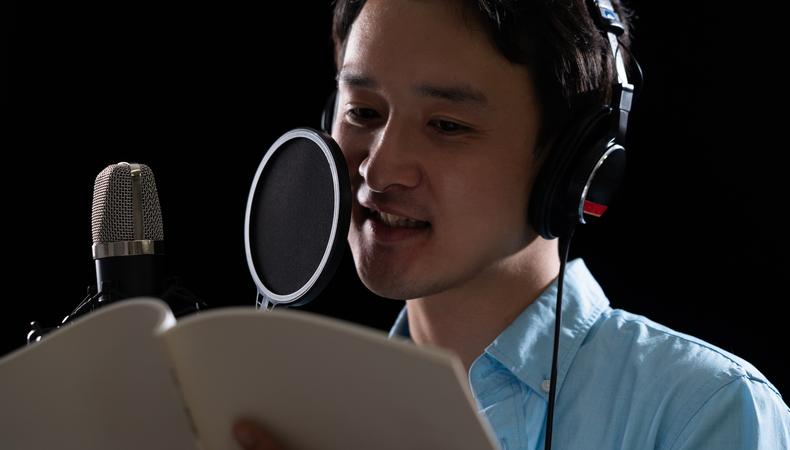
From video games to narration to audiobooks to digital AI assistants, voice actors are increasingly in demand in our tech-forward world. Acting using only your voice can offer creatives an exciting career working on a varied range of projects. But before pouring your energy into pursuing a voice acting career, you should find out how much voice actors get paid in Australia and whether the dulcet tones of your silky speaking voice can earn you serious bucks.
JUMP TO
A voice actor uses their voice to create characters or provide narration for a wide range of projects, from commercials to audiobooks. Some actors make voice acting a handy side hustle in between other projects, but for many, it’s a full-time gig.
There are opportunities for voice actors in many lucrative markets, including animation, video gaming, advertising, automated dialogue replacement (ADR), corporate content, and many more areas, including the audiobook market – predicted to be worth around AU $61.1M by 2029.
It’s a competitive industry, and how much you earn will depend on which markets you work in, your experience, and your reputation. The more gigs you take on as a freelance voice actor, the more you’ll earn – but how much you get paid depends on the following four factors.
1. Experience and reputation
Experience, reputation, and name recognition count for a lot. Big names with well-known voices will earn big bucks. For instance, voice actors of Hugh Jackman’s calibre will be paid significantly more than the average jobbing actor. There are also voice actors you might not recognise in the street (until you hear them) who are well-known in the industry. They, too, will earn more. The more jobs you book, the better known you’ll be, and the more examples you’ll have for your CV and showreel.
2. The project’s budget
What is the budget of the project you’re working on? A short student film and a 12-volume audiobook will be working from differently sized cash pots. As a rule of thumb, commercial and corporate work is likely to pay the best.
3. The commitment
As with any job, another variable affecting pay is how long it takes. Recording a 20-second detergent advert will likely pay less than an animated feature film in which you’re voicing multiple characters.
4. The usage
Will your voice be heard in perpetuity on the national train network or just used for a here-today-gone-tomorrow local radio advert? If the former, you might be offered a buyout fee on top of your wage for the job, signing over your rights to the recording. You, or your agent if you’re represented, need to ask questions about the usage of your work before you sign on the dotted line.
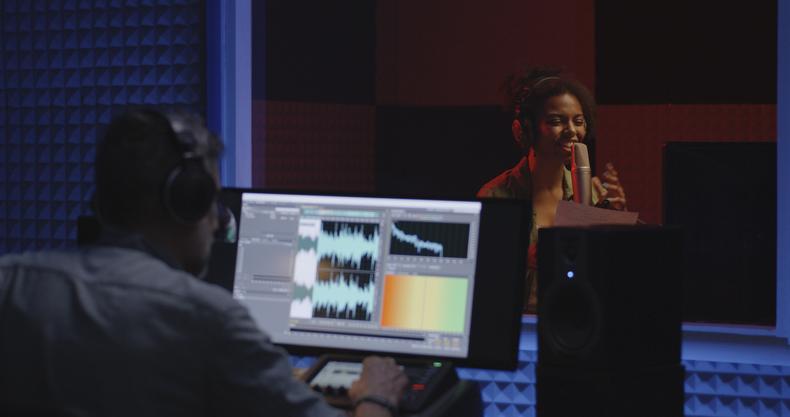
Frame Stock Footage/Shutterstock
According to the SalaryExpert website, on average a voice actor gets paid AU $83K a year. An inexperienced entry-level actor might earn around AU $59K, while those at the top of the ladder can make up to AU $102K.
The Media, Entertainment & Arts Alliance (MEAA), Australia’s largest union for professionals in creative industries, advise the below rates as minimums for commercial voiceover work:
- For a 30-second TV or cinema advert, used for longer than 12 months in more than one state, the minimum rate is AU $980.50 per hour.
- For a voiceover for a radio advert, used for longer than 12 months in more than one state, the minimum rate is AU $524.70 per hour.
- For ADR or looping (for example, rerecording sound that needs attention) lasting up to 60 seconds, you can charge AU $238.50 per commercial.
- A day rate (set at six hours of work) for voice artists on TV animation projects per episode is AU $990.46.
- The rate for voice artists’ bit parts (smaller roles in animation projects for TV) is AU $491.62 per episode.
As a freelancer, you have some say over your day rate, but many jobs will also have a set budget for their talent. Protect yourself by knowing what the industry minimums are, as well as the extras you can charge – also outlined on the MEAA's rate card. For example, you can bump up your minimum fee by another 50% if the advert is used on the internet because the industry understands your work will get increased exposure through link sharing. Another factor affecting pay is use in political material, such as doing a voiceover for a party political broadcast or advert, which can double your fee. You can also add AU $212 for any additional character voices you use in adverts, and you can double your minimum if your name is used.
Voice actors don’t have to be MEAA members, but they do benefit from rates set by the union. However, there is strength in numbers, so it is generally worth joining the union and helping strengthen it. Membership (at AU $15.32 a week) is 100% tax deductible and a great way of making sure your rights are protected.
There is scope to earn a lot more than the rates outlined by MEAA, but also to earn less if a job is not working to union standards. (And if this is the case, what other standards might this employer not meet?) MEAA representative Nicholas Hope cautions, “Don’t work for rates below the norm. It may be a way of getting work initially, but it lowers expectations across the board and effectively means you are undercutting yourself as well as your peers, and you’ll end up in the low-paid bracket continually.”
He also encourages reading carefully through any contract before you sign. “Make sure you are not signing away your voice or the project ‘in perpetuity’: generally voice work is paid for use over a specific time period, and if it is used beyond that you must be paid a percentage of the original fee.”
Lastly, Hope recommends downloading MEAA’s ready-made AI rider. It’s a clause in a voice actor’s contract that “ensures your voice will not be used to train AI models, or be used by AI in any way on any project without negotiation with you.”