If you’ve got the cheekbones of Miranda Kerr and the camera loves you, you might be considering a career in modelling – and wondering how much you could earn. Money can be an awkward topic, but before you invest the time, energy, and hard work into building a career, it’s worth knowing how much you’ll make.
Knowing your financial worth will help you navigate this cut-throat industry and keep your expectations in check. So, what’s the skinny on model money?
Veteran supermodel Linda Evangelista famously declared, “I don’t get out of bed for less than $10,000 a day.” And in 2017, Bella Hadid had the Aussie media abuzz with how much she was reportedly paid during Australian Fashion Week. Her hourly rate was apparently over AU$11,000. For most jobbing models, though, that’s not the case. According to the Economic Research Institute, the average model salary in Australia is just over AU$66,000.
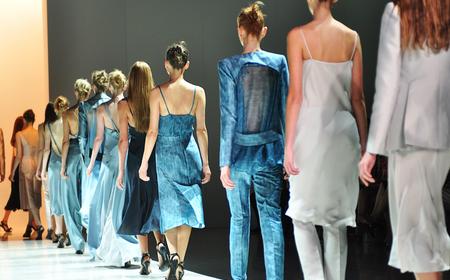
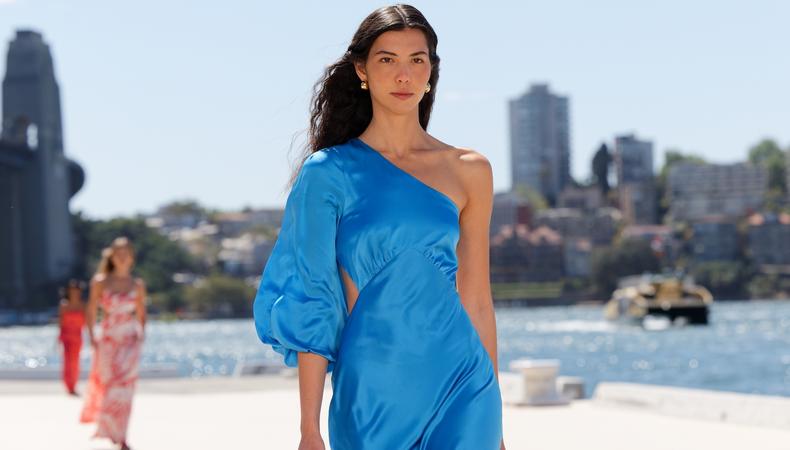
Let’s begin with the runway, where models with bankable names can earn around AU$1,000 per show.
When it comes to editorial shoots for fashion magazines, earnings are often lower than for runway jobs. Model turned agent Chelsea Bonner estimates a model’s day rate is around AU$180 – and that’s before the agent takes their cut.
Commercial work – adverts and brand campaigns – typically pays better than editorial work. Fees can range from AU$3,000 to AU$10,000+ for a shoot that could take anywhere between a few hours and a couple of days.
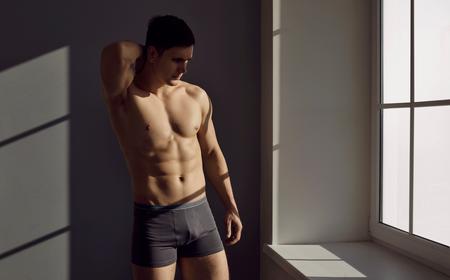
If you have a muscular, toned body, then fitness modelling could be an option. Modelling coach Kate Huessler suggests the going rate is AU$80 to AU$300 an hour.
Huessler advises that promotional models who work at a trade, brand show, or exhibition can expect to pocket between AU$20 to AU$100 an hour, with the rate rising if the promotion involves swimwear, lingerie, or alcohol brands.
How much you’ll get paid varies depending on multiple factors, among them:
- How familiar your name is
- How long you spend working on the shoot
- Where the campaign is shown (both in terms of geography and platforms)
- How long the campaign runs for
Unlike many other professions, the modelling industry tends to pay women more than men. It’s a case of supply and demand: There’s more demand for female models, so wages reflect that.
It’s worth familiarising yourself with the government’s Fair Work Ombudsman, which has set a minimum pay guide for models.
DFree/Ovidiu Hrubaru/Shutterstock
Pay for modelling jobs varies depending on experience, location, and, crucially, the type of modelling.
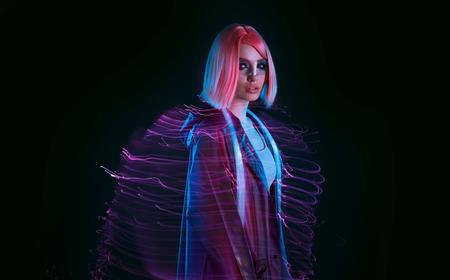
Generally, editorial work is done for prestige, and commercial work is done for money. That said, there are many types of models, and not all involve fashion work, such as body-part modelling and promotional modelling.
Plus, prestigious editorial work in your portfolio could increase your commercial rate. “Everyone does editorial cheaply because they’re beautiful shots, and that’s what you need for your portfolio. It can get you advertising jobs where the rate can be AU$3,000 to AU$10,000 a day, depending on the model. That’s where the real money is,” points out Bonner.
Landing the front cover of Vogue won’t pay your hefty Sydney rent. You'll likely make your real money from perfume adverts or brand deals – which you probably got thanks to being on the cover of Vogue.
Remember, agents – who negotiate your fee, invoice the client, and then pay you after they’ve taken their commission – get a cut of 10% to 20% of the money their clients earn.
Fortunately, if you’re working on location (taking part in a fashion show in a foreign city, for example), costs, including accommodation, travel, and food, will likely be covered, saving you money.
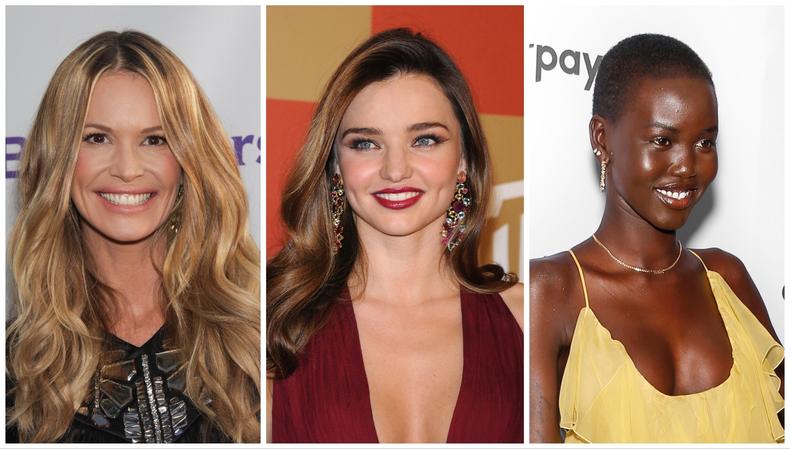
Top-earning Australian models
- Elle Macpherson. Estimated worth: AU$148m
- Miranda Kerr. Estimated worth: AU$93m
- Gemma Ward. Estimated worth: AU$9m
- Adut Akech. Estimated worth: AU$7.7m
- Duckie Thot. Estimated worth: AU$12.5m