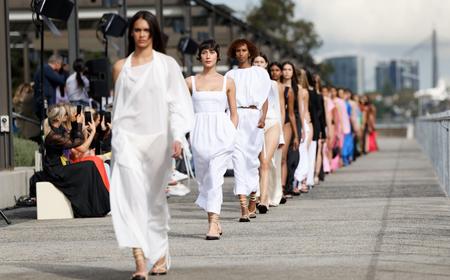
Models frolicking on a beach in a holiday brochure have a very different job than the likes of Gigi Hadid, pounding the catwalk at fashion shows. But “fashion model” is often used as a blanket term for all sorts of modelling specialities, from body parts to fitness. Fashion modelling, however, is a specific niche within a hugely varied industry.
What gives fashion modelling its prestigious edge? And how do aspiring models with a passion for fashion strut through its closely guarded gates? Read on to find out what it takes to become a fashion model in the UK.
JUMP TO
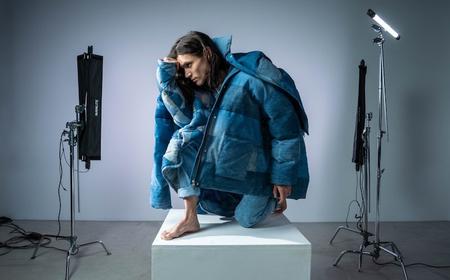
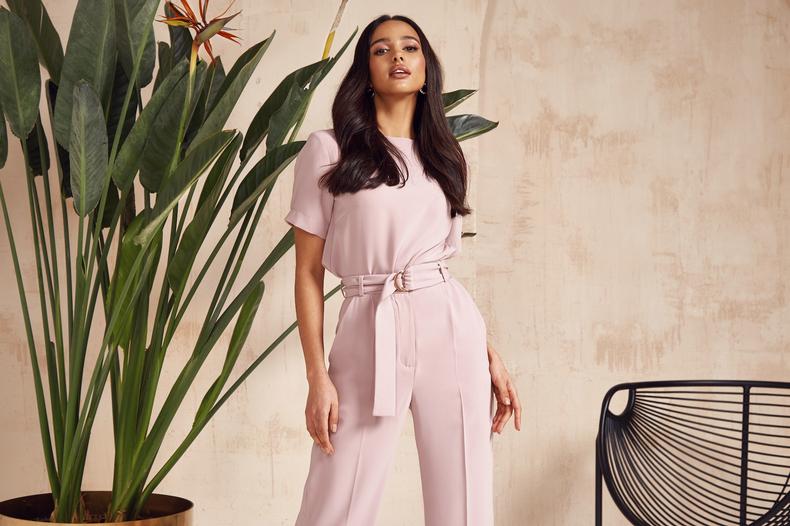
Fashion models showcase high-end designer clothes and accessories, often in editorial shoots for magazines or on the runway during fashion shows. The target audience is usually consumers of high fashion, celebrities, and people in the fashion industry – designers, stylists, photographers, and buyers for high-end stores and boutiques. Compared to commercial modelling, which aims to show potential customers how clothes can fit into their everyday lives, fashion modelling is part of a more theatrical artistic vision.
In the UK, top fashion models such as Kate Moss and Leomie Anderson have earned fame, recognition, and plenty of money from their careers. Only a tiny percentage of models achieve that kind of success – and it’s not all glitz and glamour on the way up – but a career in fashion modelling can be filled with excitement and creativity, no matter how well known you become.
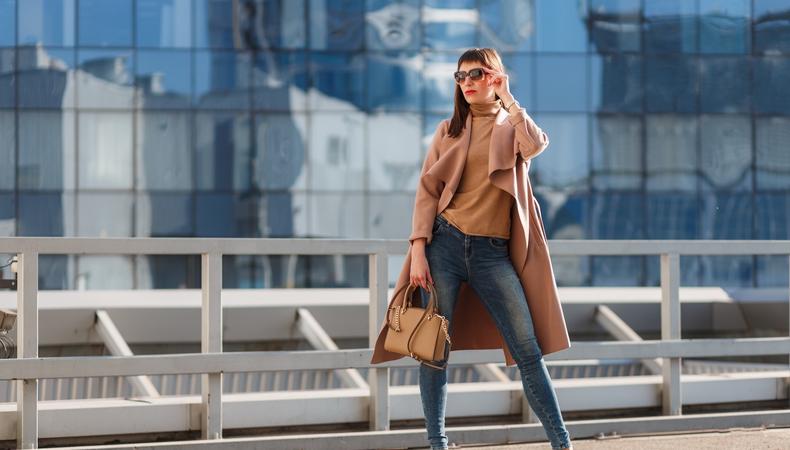
indira's work/Shutterstock
1. Be sure fashion is the right fit for you.
Agencies such as Milk Management and Anti-Agency are helping diversify fashion modelling in the UK, but it can still be pretty cutthroat about physical requirements. Fashion models tend to be tall and slim (around 5 feet, 10 inches and a UK size 6 or 8 for women, and over 6 feet tall with a 32-inch waist for men). They’re typically ages 16 to 25 and in possession of visually arresting looks. Be honest about whether your build and aesthetic are right for this kind of modelling. If not, there are loads of niches that accommodate all sorts of ages, body types, and physical characteristics, including plus size, petite, parts modelling (specialising in specific body parts), mature, disability, fitness, beauty, catalogue, and commercial.
2. Build a basic portfolio.
Before you can submit to modelling agencies or castings, you’ll need a basic portfolio. Digital or Polaroid pictures will do the trick to begin with. Agencies tend to prefer pared back, unedited headshots taken in natural light so they can see what you really look like and imagine you in different looks. Wear simple clothes that show the outline of your figure, with natural hair and minimal or no makeup. If you have long hair, include shots with it up and down. Also include full-length shots from the front, back, and both sides, and a few close-ups of your face from the front and in profile, with and without a relaxed smile.
In addition to photos, include basic information such as measurements, contact details, and social media handles.
3. Research and submit to agencies.
Modelling representation isn’t a must, but getting an agent will make your life a lot easier. They’ll help find you jobs, manage client relationships, and negotiate pay. Search for quality modelling agencies that specialise in fashion and have a strong presence in the industry, such as Premier Model Management or Storm Model Management, which famously discovered both Kate Moss and Cara Delevingne. If top agencies with rosters of famous models feel out of reach for now, keep an eye out for smaller, boutique agencies that focus on developing new faces, such as Evolve or MOT Models.
Be sure to check submission guidelines, because they differ from agency to agency. Submit to a select few instead of spamming every agency. And be patient – agencies get a huge number of submissions, so it could take a few weeks or even months to hear back.
If you get signed, be careful to read the contract carefully and understand the terms of your agreement with the agency. Don’t be afraid to ask questions or seek guidance from someone who knows their stuff before signing on the dotted line.
Scams are on the rise in fashion modelling, so stay vigilant and check if agencies are members of recognised industry bodies such as the British Fashion Model Agents Association (BFMA) or Equity Models’ Network. Legitimate agencies will never ask you for up-front fees for test shoots or to join them.
4. Look for open casting calls.
Instead of sitting around waiting to hear from agencies, take things into your own hands and submit to open casting calls. Some agencies hold in-person meetings with scouts, which are a great way to put yourself on the right people’s radar. Wear simple, figure-hugging clothes; bring your portfolio; and be prepared to have your photo taken and walk for the scouts. Perfect your casting game by taking test shots at home, practising in front of the mirror, and looking at archival footage of models you admire to see how they do it.
5. Build your network and promote yourself.
The fashion industry is a close-knit circle. Networking and self-promotion are crucial if you want to turn heads. These days, a strong social media presence is a must. See it as a form of self-expression that gives you control over your personal brand. Your social media platforms are an opportunity to showcase your range, versatility, and style to agencies, photographers, and potential clients worldwide. They’re also a great chance to connect with industry professionals and keep abreast of trends and updates from the fashion world.
In-person networking is just as important. Look for events open to the public, such as London Fashion Week’s City Wide Celebration, graduate fashion weeks across the UK, and fashion festivals and exhibitions. Be sure to do your research so you know whom to introduce yourself to.
Earnings will depend greatly on a model’s experience, reputation, and demand, as well as the prestige of the publication or designer and the location of the shoot. (Fashion modelling jobs in London and other major cities will generally pay more.)
Usage rights (how and where the images or videos will be used) also play a big part. If the images will be used across multiple media channels and countries, the fee will increase to reflect the wider exposure.
According to the Models Kit, starting day rates range from a couple hundred pounds to upwards of a thousand, and commercial models typically earn less than high-fashion models. For top designers such as Burberry or Chanel, rates could go up to a minimum of £1,501 per three-hour session. Top models may earn more than £20,000 per show during fashion week and £15,000 for editorial shoots for major publications such as Vogue.
According to CEO Today, supermodel Kendall Jenner makes US$40 million (£29 million) a year from runway work and endorsements, but new fashion models may not be paid at all for their work. They get to keep some clothes instead. It’s a vast spectrum, and although you could work your way up to the stratospheric heights of models such as Gisele Bündchen, it’s best to have realistic expectations to begin with.
Becoming a fashion model in the UK takes confidence, grit, and a genuine interest in the fashion industry. As any successful model will attest, setbacks and rejection are part and parcel of this line of work. Stay persistent and positive, and keep being your authentic self. One day, budding fashion models may be looking up how you got your big break.