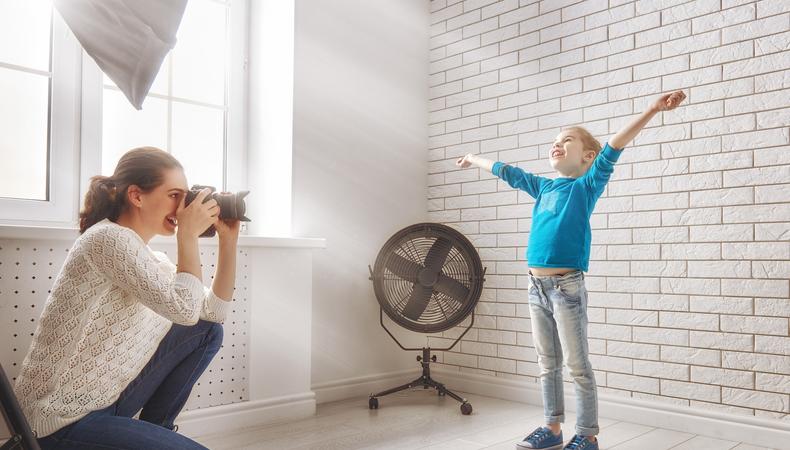
Does your little one light up in front of the camera? Child modelling can be a rewarding career for confident kids. It takes commitment and perseverance, but if they’re willing to work hard, it could take them on exciting adventures, instil a great work ethic, and set them up with savings for the future.
Before you get to work launching a career for your aspiring model, it’s important you both have a good understanding of what it’ll take. Here’s a step-by-step guide to becoming a child model, from preparing a great portfolio to cashing that first paycheque.
1. Assess whether modelling is right for your child
Previous experience isn’t necessary for your child to get into modelling, but life in front of the lens isn’t for everyone. Baby and child models need to be relatively relaxed, easygoing, and comfortable around unfamiliar people. They’ll need to handle pressure well and be confident, cooperative, and good at taking direction.
Modelling is as much about presence, charisma, and personality as it is about looks. Still, brands will assess your child’s looks for compatibility with their campaign. A good support network is important for any child entering an industry focussed on physical appearance — not to mention one that will inevitably involve some rejection. Have ‘the chat’ to figure out how you’ll approach potential rejection as a team. Make sure they understand how it all works and that not getting a job isn’t a reflection of their worth or ability. Encourage them to keep communicating with you, and assure them it’s fine to stop if they’re not enjoying themselves. After all, modelling for kids should always be fun!
2. Put together a portfolio
Whether you’re looking to get your child signed by an agent or plan to apply independently for castings, your child model will need a portfolio of good-quality pictures. They don’t need to be professional, although a shoot with a photographer will offer great practice for kids who are starting out. Here are some tips for getting the perfect portfolio snaps:
- Lighting is the most important thing to get right. Find a spot with good natural light, and don’t use a flash as this risks overexposure.
- Your child should be the focus of the photo, so capture them against a plain background rather than a busy backdrop. Choose casual clothes with no attention-stealing patterns or slogans, and avoid anything too bulky, such as oversize coats.
- The photos should be taken from the waist up and include their whole head and natural hair. If your child has long hair, include some pictures with it up and some with it down.
- Steer clear of hats, hoods, glasses, dummies, or anything that obscures their face.
- Agencies will be looking for kids with a great smile and bags of personality, so make sure the range you choose captures who they are. Include 10 to 25 photos in their portfolio, and leave them unfiltered, unedited, and uncropped.
3. Find an agent
It’s not essential for your child model to have an agent, but it’ll definitely help. Child modelling agents find casting opportunities and liaise with clients once your child lands a job. They can also guide you through the process of launching your kid’s career, get hold of all the information you need for a shoot, and generally provide support and expertise.
When researching child modelling agencies, check out their social media profiles, client reviews, and mentions in the press. Finding out if they’ve won industry awards and checking out recent client credits are helpful ways to establish if an agency is reputable while also getting a feel for whether they’re the right fit for your child. You’ll be working closely with your child’s agent and keeping them up-to-date regarding your child’s welfare, so it’s important to pick someone you get along with and can trust.
Details on how to apply will be on the agency’s website. you’ll usually need to send:
- Your child’s photos and/or a link to their portfolio
- Their physical measurements
- Your contact information (so the agency can get back to you if they’re interested)
Each agency may ask for slightly different things, so be sure to check their application policy before reaching out.
As well as submitting to agents online, keep an eye out for open casting calls and scouting events. They’re an opportunity for your child to meet agents in real life, even if they don’t lead to a signing straightaway.
Finally, be wary of scams. You shouldn’t have to pay a fee to sign up for legitimate child modelling agencies (agents are paid by taking a cut of their clients’ earnings). It’s not common, but there have been instances of scammers demanding up-front fees to sign kids or submit them to castings, so stay vigilant and always check an agency is legitimate before signing.
4. Be proactive and find castings independently
Don’t be disheartened if your future Lily Cole or David Gandy doesn’t get signed right away. It could be that agencies have enough kids in their age bracket or have children with similar looks already on their books. Try again in six months or a year’s time with new photos – a gap may have opened up.
In the meantime, be proactive. Submit your child’s portfolio to open castings and social media callouts. Helping build their online presence through a social media account (managed by you if they’re under 13 years old) is another great way to get an unrepresented child model seen by the right people. Just be sure to protect their privacy by avoiding posting personal details and closely monitoring the people interacting with their account.
5. Prepare to shine at casting calls
Getting casting calls is an exciting step in your child’s modelling career, and it’s when the hard work (and the fun!) begins. Sometimes that’ll be an e-casting, where clients ask for more photos and measurements for your child in lieu of seeing them in person. Alternatively, a client might ask to see your child for a face-to-face casting. That’ll normally be a 10- to 15-minute meeting. The client will take some photos of your little one and possibly get them to try on samples if it’s a clothing shoot.
Be mindful that casting calls can come with as little as 24 hours’ notice. Remember, every model under the age of 18 is legally required to be accompanied by a parent or guardian, so have a plan in place should the call come through.
Clients don’t always host castings. Sometimes they simply ask their preferred agents for an availability check on the list of models they’re interested in and book them then and there.
While castings normally happen outside of school hours, you’ll need to be willing to take your child model out of school for shoots if need be. It’s a good idea to discuss this with the school early on since you’ll need their permission. In the UK, all children, from babies to 16-year-olds, need a Child Performance Licence for every job they book, which your local borough can provide. All children working in the entertainment industry in Australia need a work permit for paid and unpaid work. Your child’s agency should handle the application process, but you can check your local government’s website to find out more about the laws and regulations in your state.
Bear in mind that most jobs and castings happen in major cities. You’ll very likely be expected to travel to them and cover your own expenses, at least in the early stages of your child’s modelling career.
6. Stay on top of earnings
How much your child makes will depend on their demand and experience. Kids just starting out could earn a few hundred for a job, while in-demand children who’ve made a name for themselves could make thousands per shoot. Earnings also depend on the client’s budget, the location of the job, and the type of work. TV commercials, billboard campaigns, and editorial shoots for big brands will usually pay more than things like promotional materials or modelling for smaller clothing lines. There’s also the opportunity to earn royalties from commercials or pictures that continue to be used, which is a nice way to boost your child’s income.
Your child’s agency will take a percentage of their earnings as commission, usually around 25%. It’s the responsibility of the parent or carer to deduct tax if it hasn’t been deducted at its source. The safest bet is to put away 20% for every job.
It’s advisable to put your child’s earnings into a bank account in their own name in both the UK and Australia. That’s because the earnings legally belong to your child. Keeping them in one place makes managing tax responsibilities easier, and it ring-fences their funds until they’re old enough to manage them.
7. Keep their portfolio up-to-date
Kids grow and change all the time. Keep their measurements current and make sure their portfolio pictures reflect their current look. Agencies usually ask for their models' portfolios to be updated every few months, and clients might ask to see more recent pictures if they’re enquiring about your child. Their portfolio is their main advertisement, so it’s a worthy investment.
8. Make sure they’re having fun
The most important thing to remember is that child modelling should be fun. Keep checking in with your little star to be sure they’re enjoying themselves, and don’t be afraid to remove them from a casting or shoot if you or they feel uncomfortable about how it’s going.
Above all, a child modelling career is an opportunity for them to get brilliant, memorable experiences and build solid foundations for a future in front of the camera.