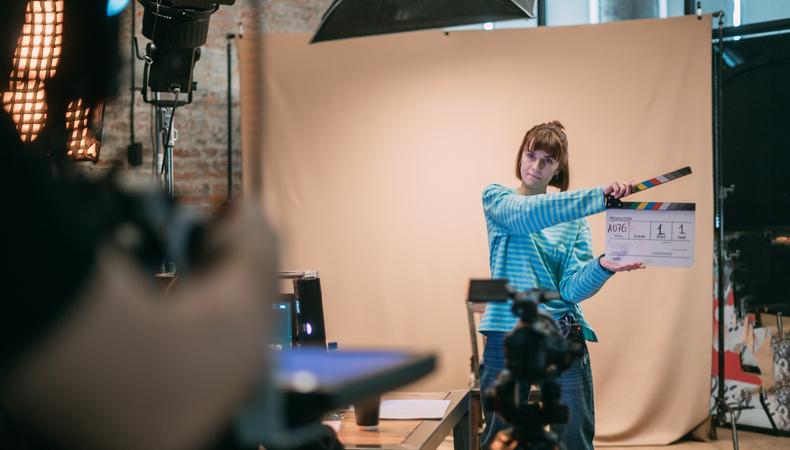
Have you ever watched an ad and thought to yourself, “I could do that”? Acting in advertisements is one of the most accessible entry points into the screen industry, and it’s where many Australian performers’ careers begin. From Simon Baker to Isla Fisher, some of Australia’s most famous actors started out in commercials.
Whether you’re scrolling past a sponsored video, seeing a campaign pop up on a digital billboard at a train station, or watching preroll ads on streaming platforms, performance is everywhere.
Understanding how to become an actor in a commercial is a practical first step if you’re looking to break into the industry. For many actors, booking a campaign can be a lucrative way to get a solid payday while pursuing indie projects.
From casting calls to callbacks, here’s a step-by-step guide for Australian beginners.
Before diving into how to be in adverts, it’s worth defining what that actually means. Commercial actors appear across a wide range of formats, including:
- Traditional television commercials
- Online and social media campaigns
- Streaming platform ads (think YouTube, Spotify, and catch-up TV)
- Brand content and influencer-style videos
- Billboards and still-image campaigns
The key thing to know is that casting is increasingly focused on natural, relatable people – hence the rise in user-generated content (UGC) gigs – not just polished performers or people who look like supermodels.
Step 1: Get comfortable on camera.
You don’t need a drama degree to learn how to land a role in a commercial, but you do need to feel natural on camera. Start by:
- Filming yourself on your phone
- Practising short scripts or casual storytelling
- Watching ads and noting how people speak and behave
The No. 1 tip for booking commercials from professional acting coach Cathryn Hartt is simple but genius: Treat the camera like it’s a person. “Pretend as though that person were a few feet away and be very intimate with them,” she writes for Backstage. “Have an actual conversation.”
Most ad work is fast and flexible, so being able to improvise and adjust your performance quickly is a big plus. If you don’t yet have much acting experience or training, beginner acting classes – especially ones focused on on-camera work – can help you build confidence. In cities like Melbourne and Sydney, there are plenty of short courses, but online options are also useful if you’re starting out. Seeking out improv classes or groups where you can practise your quick-thinking comedy skills can also help you stay sharp.
Step 2: Get the right headshots.
Your headshot is your first impression, but simpler is better for advertising work. In other words, don’t try to get too creative with things like wild outfits or bold lighting choices. Commercial casting directors usually prefer:
- Natural lighting with no harsh shadows
- Simple styling (think bright colours and no patterns)
- A friendly, approachable smile
Your photos should also clearly convey your casting type and range. Your outfit choices play a factor here too. “Clothes just add range for a suggested character type,” headshot photographer Mike Sansone told Backstage. “If you’re wearing a T-shirt, you’re most likely not going to get called in for a business type.”
Step 3: Set up a profile and start applying.
The most important step in starting out as a commercial actor is to start going for roles. There’s no need to wait to be invited to audition when you can apply to open casting calls, which often crop up for projects such as ads for brands and services, online campaigns and social content, corporate and training videos, and student and indie projects.
When creating your profile, make sure that you:
- Upload your headshots
- Add your location and availability
- Include any experience (even student work counts)
Don’t stress if you’re new to the acting industry. Ad casting is one of the few areas where beginners regularly get booked.
Step 4: Learn how auditions work – especially self-tapes.
Most auditions for ads now happen via self-tapes, which means you film yourself at home and submit online rather than showing up to an in-person casting call with other actors.
You’ll usually be asked to:
- Deliver a short script
- Show a specific vibe (e.g., friendly housemate, young professional, or fitness enthusiast)
- Record a quick intro about yourself
The most important thing? Keep it natural. Casting directors are generally not looking for big, theatrical performances. They want something that feels real, effortless, and easy to sculpt.
Step 5: Understand what casting directors want.
If you’re figuring out how to be in adverts, it helps to know what gets attention. Casting directors often look for:
- Authenticity
- Personality
- Clear communication
- A sense of ease on camera
You don’t need to look like a traditional actor. Australian ads often prioritise diversity and real-world relatability over perfection.
Step 6: Know your local industry.
The process of getting cast in ads is fairly similar across Australia, but there are some local differences.
Sydney
Sydney is the busiest market, with a high volume of ad production. There are more opportunities, but also more competition.
Melbourne
Melbourne is known for lifestyle, arts, and fashion campaigns. Ads here often lean into more natural, understated performances.
Brisbane
Brisbane is a growing hub, especially for tourism and lifestyle advertising.
Regional areas
There’s increasing demand for regional casting, especially for tourism campaigns and “real people” ads.
Thanks to self-taping, you don’t always need to live in a major city to get booked.
Step 7: Consider an agent.
You don’t need an agent to start booking ad work, but it’s definitely worth considering – especially once you’ve got your foot in the door. Once you’ve built some experience, an agent can submit you for higher-paying jobs, negotiate rates, and open doors to bigger campaigns.
Hot tip: Start with commercial-focused or extras agencies, which are more open to newcomers. Don’t be afraid to apply for more than one.
Step 8: Learn the basics of pay and usage.
Ad work can pay well, but it depends on the job. You might be paid for:
- The shoot day
- Where the ad appears (online, streaming, billboards, etc.)
- How long it runs
Always check usage rights, the length of the campaign, and whether it’s a one-off payment or ongoing.
If something isn’t clear, ask for more explanation. It’s normal to seek clarification. Does something seem off? The industry’s union, the Media Entertainment and Arts Alliance (MEAA), is a good touchpoint with some great resources about what to look out for in actors’ contracts for commercial campaigns.
The Casting Guild of Australia also has some helpful downloadable resources that can help show you the ropes of navigating the industry and knowing your rights.
Step 9: Stay consistent and keep going.
Like any acting work, you need to be prepared to face a lot of rejection. You may apply for dozens of roles without hearing back, get shortlisted but not booked, or be asked to audition multiple times – and that’s all completely normal.
The key to learning how to become a commercial actor is consistency. Keep applying, keep improving your self-tapes, and keep showing up. Each audition builds your skills and chances.
Start small, stay consistent, and remember: The people you see in ads aren’t out of reach. They started exactly where you are.