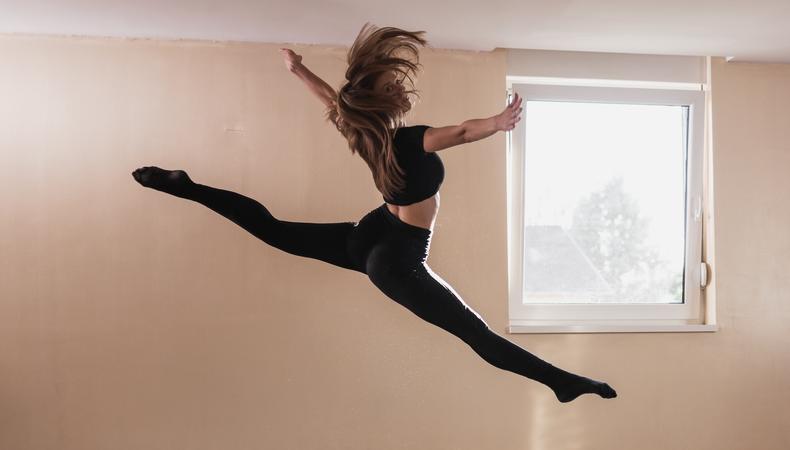
From breakdancer Raygun to ballet star Stephen McRae to the twinkle-toed professionals of Dancing With the Stars, Australia is brimming with dancing talent. But becoming a professional dancer is far from easy. If you want to make it, you need exceptional skill, a head for business, and real drive.
Dance is a competitive industry, and many professionals have been training since childhood. A professional dance career can be tough, but it can also be exciting, creative, and fulfilling. Here’s our step-by-step guide to becoming a dancer in Australia.
1. Assess your skills
Professional dancing requires a much broader skill set than fancy footwork. Most top dancers also have these qualities:
- Creativity: Dancers are artists who use their physicality to tell a story or communicate an emotion to the audience. Do you like to create new moves or routines? To be a successful dancer, you’ll need to tap into that creativity and use it effectively.
- Collaboration: Much of dancing comes down to teamwork, not only when dancing with other people but also taking direction effectively. Many dancers work as part of a dance company, so the ability to trust your colleagues and collaborate with them is crucial.
- Persistence: As with many creative careers, dancers have to be persistent to succeed. You need ambition and the ability to deal with rejection. Being told ‘no’ comes with the territory of being a gigging creative, as does picking yourself back up and trying again.
- Athleticism: Dancers are athletes. You need to be in top shape to make money, so prioritise physical strength and flexibility and try to avoid injuries. You need to exercise regularly and eat a dancer's diet. Many professionals do Pilates, swimming, and barre on top of dance studio time.
- Hustle: Most professional dancers are freelancers. You need to be a go-getter who can fill in a tax return and find work for yourself. Forget singing for your supper; it’s all about dancing for your dinner, and hustling to find gigs is one of a professional dancer’s main skills.
2. Decide what type of dancer you want to be
Professional dancers typically fall into one of three brackets:
- Commercial: Dancing in commercially funded projects like pop videos, corporate events, cruises, concerts, and film and TV projects. You’ll be hired on a gig-by-gig basis, so think about whether that unpredictability suits you.
- Company: Companies like the Sydney Dance Company, Bangarra Dance Theatre, Chunky Move, and the Australian Ballet hire dancers to perform in their productions. Contract lengths differ depending on the size and funding of the company. For example, the well-funded Australian Ballet says it is “one of the few companies in the world to offer full-time contracts to dancers”. Its staff typically work over multiple productions and several years, and they have access to holidays and maternity leave. This is the exception, though. Smaller companies might offer season-long contracts or work on a project-by-project basis. Follow company websites and social media for audition information.
- Multi-hyphenate careers: Maybe you’ve had an injury, maybe you’re looking for a more stable contract, or perhaps you’ve decided that performance isn’t for you anymore but you still want to work within the world of dance. There are plenty of dance-adjacent careers to consider. Many dancers work as full or part-time teachers, choreographers, or therapists.
3. Become a dance industry expert
To know what type of dancer you want to be, you need to know what dance styles are out there. From ballet to breakdancing and Latin to tap, there are so many types to try. Professionals will often be able to dance in many different styles, but even knowing what’s out there will improve your understanding of the medium as a whole.
Take time to immerse yourself in the Aussie dance scene. That means seeing as much live dance as possible, checking out local listings for companies on tour near you, and watching the greats online. YouTube is great for losing yourself in a dance-related rabbit hole. Check out how hoofers such as Wade Robson, Adam Garcia, Dame Lucette Aldous, and Robert Helpmann.
If you want to be part of the Aussie dance community, find out what’s happening in it. Dance Australia and Ausdance are great sources to check for information about festivals, workshops, and contests going on across the country. Spend some time on the social media channels of the top companies and dancers and start connecting with other dancers. Dance Informa has a handy list of Aussie dancers, studios, and choreographers to follow.
4. Seek out training
Although you don’t need a specific, formal qualification to become a dancer in Australia, you do need training. That might mean earning a degree or spending time in a top conservatoire, taking dance classes, or learning on the job. Classical forms of dance, such as ballet, tap, and jazz, often require rigorous training through recognised institutions, often from a young age. Other types of dance, such as street, breaking, and contemporary, can be picked up later, but it helps to have a foundation in another form of dance.
Whatever your chosen style, all dancers need good technique. Formal dance training provides a foundation of technical skills that can be very handy in a professional environment. It also gives you a shared language, making it easier to communicate when performing. Training also exposes you to different types of dance and teaches you about how to look after your body.
Many dancers have been learning their craft since childhood, but if that’s not you, don’t panic. There are many different training routes to a career in dance, including:
- Full-time dance schools for intensive physical dance training focusing on performance. Institutions that offer this type of diploma-based training include the prestigious Australian Ballet School in Melbourne, The National College of Dance in Newcastle (ballet, commercial, and contemporary), Ed5 International in Sydney (commercial) and Brent Street in Sydney (as featured in the Amazon TV show Dance Life).
- University dance degrees for a more academic path to a dance career. You’ll get dance training alongside study into the theory of choreography, performance, and dance history. Plus, you’ll have a degree, which signals to prospective employers a commitment to academic learning. Universities offering this option include the Victorian College of the Arts in Melbourne, which focuses on contemporary dance, the Australian Academy of Music and Performing Arts (AMPA) in Sydney, and the Australian College of Physical Education (ACPE), also in Sydney. It’s important to do your research to make sure a course is right for you.
- Dance classes for continual learning. If you’re hoping to expand on your existing dance repertoire or start dancing for fun before pursuing a career in it, taking dance classes is an opportunity to try out a variety of styles. You’ll keep fit, meet people, and discover a local dance network. If you’re in a big city, there’ll be plenty of options; the Sydney Dance Company runs regular sessions open to all, while in Melbourne, The Space Dance & Arts Centre offers a range of styles and levels. Wherever you’re based, check out local listings and notice boards for what’s available.
5. Keep an eye out for opportunities
Knowing about opportunities and being ready to grasp them is crucial to being a successful professional dancer, so keep an eye out for dance auditions.
It’s far less exciting than strutting your stuff on stage, but staying on top of your paperwork and documentation is also an important part of being a professional dancer. There are three things a professional dancer needs to be audition-ready:
- A headshot (a clear photo of your face).
- A CV (including all relevant dancing experience, plus your name and contact details).
- A reel (featuring clips highlighting your dancing ability and scope).
These are your calling cards as a dancer, showcasing your best self. You should have them available to provide in both digital and hard copies.
Try to get as much dance experience as possible. Dance in classes, dance in local amateur groups, and dance with friends. After all, if you’ve shown you can do it, you’ll be hired to do it again.