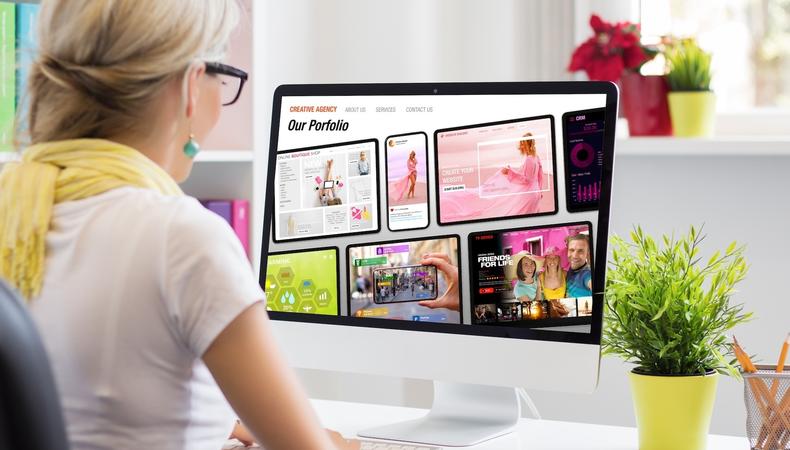
If you’ve spent any time on TikTok, Instagram, or YouTube lately, you’ve probably noticed the rise of user-generated content (UGC): polished, persuasive content created for brands and posted by everyday creatives (who aren’t necessarily major influencers themselves).
For aspiring actors and various types of influencers in Australia, this booming space offers a real opportunity to build on-camera experience, earn income, and develop industry-relevant skills. But to land gigs, you’ll need one essential tool: a strong UGC portfolio.
Here’s everything you need to know about what a UGC portfolio is, why it matters, and how to build one that actually gets noticed so you can start booking UGC jobs.
JUMP TO
Let’s start with the basics. A UGC portfolio is a curated collection of video, photo, and social media content you’ve created to showcase your potential to brands (or spec campaigns that mimic real briefs). It showcases your ability to:
- Perform naturally on camera
- Communicate brand messaging convincingly
- Film and edit engaging social content
- Demonstrate creativity and storytelling
Think of it as the UGC equivalent of a showreel, but instead of dramatic monologues or commercial scenes, you’re demonstrating your ability to sell products, tell authentic stories, and connect with audiences.
It’s especially valuable for actors because it highlights skills casting directors increasingly want: relatability, improvisation, and comfort with self-taping.
If you want to obtain paid UGC work, a UGC content creator portfolio isn’t optional, it’s expected.
Brands and agencies want proof that you can:
- Deliver polished content independently
- Understand platform trends
- Speak authentically to a target audience
Unlike traditional acting reels, a UGC portfolio also shows your off-camera skills – filming, lighting, editing, and concept development.
That said, the point of brands leaning into UGC over traditional advertising is that the content has a more authentic, DIY vibe as opposed to feeling super polished or overly produced. With the practice of UGC maturing, Creator Flow predicts that “authentic, human content will outperform polished and overly produced creative.”
Even a beginner UGC portfolio can help you land your first gigs, as long as it demonstrates potential, personality, and coherency. Haven’t yet booked your first paid UGC gig? Then create content on spec, talking about products or experiences you feel enthusiastic about.
A strong UGC portfolio should be clear, intentional, and easy to navigate. Typically, they showcase four things: a short bio, examples, editing skills, and mock content.
1. A short intro or bio
Your intro should briefly explain who you are, your niche or style, and your strengths (comedy, lifestyle, beauty, tech, etc.). Keep it concise, like a casting bio.
2. Video examples
Video is the core of any UGC portfolio examples collection. Include a range of formats, such as:
- Product demos
- Testimonials
- Unboxing videos
- Voiceover content
- Lifestyle storytelling
Aim for six to 12 clips that showcase variety and personality.
3. Editing and filming skills
UGC clients want creators who can handle the full production process, so you’ll want to demonstrate that you can provide:
- Clean audio
- Good lighting
- Smooth editing
- Captions or text overlays
Even simple setups can look professional with thoughtful execution.
4. Brand-style mock content
Don’t worry if you haven’t worked with brands yet. Many creators start by making spec content. Create videos for products you already own and love. It shows initiative and gives potential clients a sense of your style.
Wondering how to make a UGC portfolio from scratch? Follow these practical steps.
Step 1: Choose your niche (or vibe).
You don’t need to limit yourself to one category, but having a clear creative identity helps. Ask yourself:
- What kinds of content feel most natural to me?
- What brands would suit my personality?
- Where does my acting training shine most?
Authenticity matters more than trying to copy trends.
Step 2: Film some content.
Start by creating five to 10 sample videos. Some tips:
- Use natural lighting whenever possible.
- Film vertically for social platforms.
- Speak conversationally, not like a commercial announcer.
Remember: Brands want real voices, not polished perfection.
Step 3: Edit for clarity and pace.
UGC works best when it feels dynamic and concise. Keep videos:
- Generally under 60 seconds
- Fast-paced
- Visually engaging
Simple editing tools such as CapCut, Canva, Adobe Express, or Instagram Edits are perfectly suitable.
Step 4: Build your portfolio hub.
Most creators host their UGC portfolios on:
- Personal websites
- Notion pages
- Google Drive folders
- Link-in-bio platforms
Your portfolio should include:
- Your bio
- Contact info (an email address and phone number, but not your home address)
- Embedded videos
- Social links
- Any useful data you may have, such as follower numbers, reach, conversion rates from affiliate links, and positive reviews from existing clients
Clarity and ease of navigation are key. And, of course, make sure your portfolio and contact details are clearly linked on your creator accounts.
Step 5: Update it regularly.
Treat your portfolio as a living document. Add new work frequently and remove older, weaker pieces.
One of the biggest mistakes beginners make is trying to imitate highly polished influencer content. But in UGC, authenticity is what gets you hired.
Brands aren’t looking for glossy ads; they want content that feels relatable, trustworthy, and real. For actors, that means leaning into:
- Your natural voice
- Your experiences
- Your unique perspective
Casting agents, brand clients, and audiences alike respond more positively to creators who feel genuine onscreen.
Australia has produced some standout creators who’ve built strong careers through authenticity and distinctive storytelling. These creators demonstrate the power of a clear point of view.
- Lachy McIntyre (@lach_mac): This larrikin is known for his humorous, self-aware brand content that blends performance with everyday relatability.
- Christian Hull (@christianhull): A comedian, podcaster, and prolific content creator, Hull’s off-the-cuff videos are a master class in turning authentic personality into brand-friendly content.
- Rowi Singh (@rowisingh): A Sydney-based beauty influencer and businesswoman with a keen eye for maximalism, Singh is celebrated for her visually distinctive content and strong artistic voice.
- Milo Hartill (@milohartill): This outspoken diva has broken barriers and built a following through her bold personality and candid storytelling.
- Maddy MacRae (@maddy_macrae_): This actress, creator, and beauty influencer shot to popularity for her hilarious skits that combine comedy, lifestyle, and sharp observational humour.
- Josh and Matt Design (@joshandmattdesign): These interior design baddies (an IRL couple) show how a clear creative identity can drive engagement and collaboration opportunities.
What they all share isn’t just skill, it’s a strong sense of individuality. Their content feels unmistakably them, and that’s the real secret to standing out.
If you’re just starting out, remember:
- Start before you feel ready; getting going is key.
- Prioritise authenticity over perfection.
- Focus on storytelling, not just aesthetics.
- Show personality in every video.
- Keep experimenting.
UGC is one of the most accessible entry points into screen work today, and it’s an incredible way for aspiring actors to gain confidence, sharpen performance skills, and build industry connections.
With a clear voice and a thoughtfully crafted UGC portfolio, you’ll be ready to step into this fast-growing creative space.