When it comes to getting into modelling, what can be learnt from today’s top models on how to succeed? It’s easy to assume you simply need to be well connected or in the right place to get scouted.
That can help you get a foot in the door, but even the most famous models have spoken of challenges such as being scrutinised for their body type and struggling in casting calls.
Most models succeed because of consistent hard work, strategy, and persistence in a tough industry, choosing to continue to pursue their modelling ambitions despite setbacks, criticism, and rejection on the road to success.
Here we highlight the inspiring stories of some of the world’s top models and what they did to overcome the barriers they faced. These trailblazers demonstrate that you don’t have to fit a type, nor is there a set path to success.
Elle Macpherson
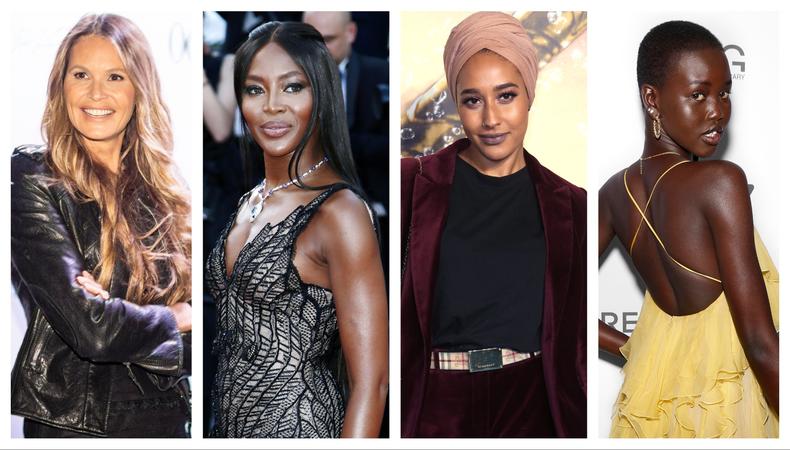
The Australian-born supermodel and entrepreneur intended to go to law school after a gap year, but, having already been signed to an agency, she ended up being cast in a Coca-Cola advert that put her in the spotlight. Nicknamed “The Body” after appearing on a Time magazine cover in 1989, Macpherson appeared on the cover of Sports Illustrated five times.
She struggled in her early days, though, after going to New York City as a teen to pursue international modelling. She didn’t fit the “waif-thin fashion body” type, and she was even told she wouldn’t get on magazine covers with brown eyes, she revealed in her 2024 memoir. Learning to work the camera and get comfortable with her unique look helped her persevere. Appearing in Sports Illustrated calendars inspired her own business ambitions, which led her to launch a successful series of calendars and workout videos.
Adut Akech
Akech has championed representation of darker-skinned models and spoke about her experiences in her acceptance speech for model of the year at the 2019 Fashion Awards. Her speech touched on overcoming hardship and discrimination at a time when there were very few models of colour working in Australia to achieve breakthrough success in the modelling world.
Born during the South Sudanese civil war and raised in a refugee camp in Kenya, Akech migrated to Australia as a young child. She couldn’t speak English, and she was bullied for her looks and allowed her classmates to call her Mary to try to fit in. Her aunt owned a fashion boutique, and she asked Akech to walk in a local fashion show while she was still in school. That led to more modelling in local shows, for which Akech reclaimed her birth name. She was signed by an agent who spotted her at Australian Fashion Week, and she was soon flown to Paris to do a show for Saint Laurent. Akech has since done numerous Vogue covers and worked for Valentino, Moschino, and more.
Shanina Shaik
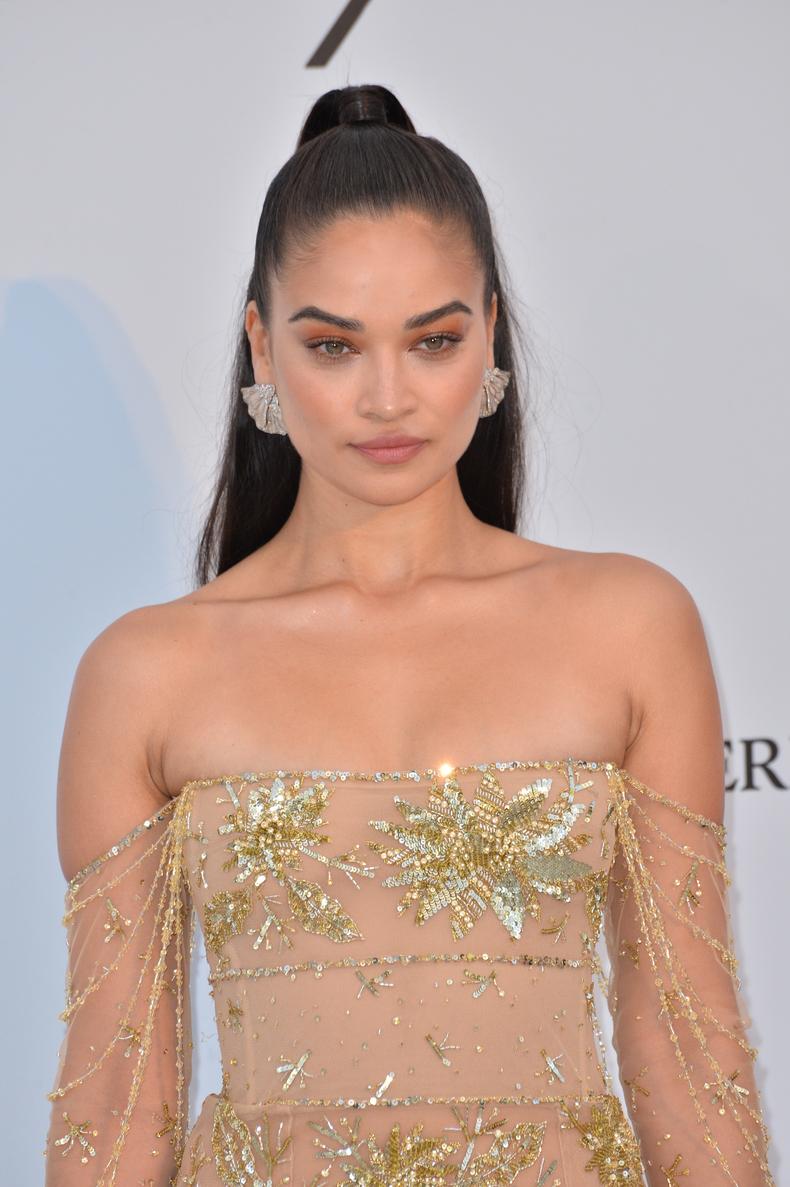 The Melbournian appeared on the reality TV show Make Me a Supermodel at age 17 and went on to gain international success as one of the few Australian models to walk for Victoria’s Secret. She also wore designs for Karl Lagerfeld and Stella McCartney. The model, who has Lithuanian, Pakistani, and Saudi Arabian heritage, faced racist bullying both growing up and in the modelling world, being told she wouldn’t get high-end jobs because of the colour of her skin and her “ethnically ambiguous” look.
Andreja Pejić
One of the most high-profile transgender models, Pejić grew up in Melbourne and began identifying as a woman while a young teen. Before her gender transition, she was scouted while working at McDonald’s and went on to become a successful androgynous model. Despite pressure from the industry not to go through with gender-affirming surgery because of a fear that it could destroy her career, Pejić had the procedure. She left her former agency, and work picked up again to the point that Vogue featured Pejić in their first-ever profile of a transgender model.
Naomi Campbell
Part of the famous 1990s supermodel pack, Campbell was studying at the prestigious Italia Conti when she was scouted while window shopping in London. She was soon flown to the US and Paris for work, but she often was not booked for shows because of her skin colour, she shared in her autobiography.
Campbell went on to become the first Black model to appear on the covers of Time magazine, French Vogue, British Vogue, and American Vogue’s iconic September issue. She was initially declined for French Vogue, but she persuaded one of their biggest advertisers, Yves Saint Laurent, to withhold clothes and advertising until the magazine agreed to feature her.
Mariah Idrissi
Idrissi was working in retail when an agent scouted her for an H&M campaign. The campaign threw her into the limelight as the global retail giant’s first hijab-wearing model and a spokeswoman for modest fashion. Idrissi has spoken about how she has both gained and lost work because of her choice to wear a hijab, and it has been a balancing act between getting the fashion world, those from her own community, and wider society to change their perceptions of hijab-wearing women as models.
Ashley Graham
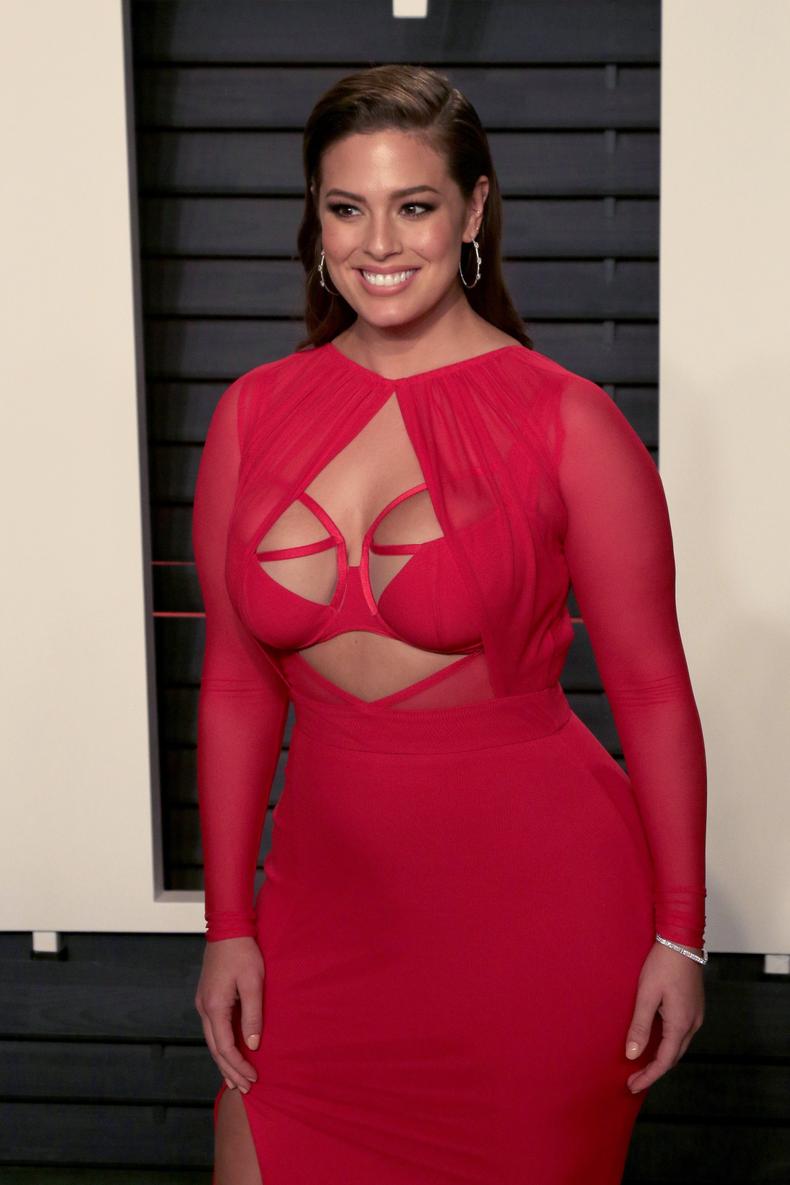 Before Graham came on the scene, few plus-size models had found lasting success. Discovered at a local shopping mall at age 12, she later signed with New York City–based Wilhelmina Models after attending a local modelling convention.
Graham was quick to pick up commercial modelling gigs. Although she made it into the pages of Vogue and ad campaigns for major retailers, the industry’s restrictive sample sizes often saw her overlooked for high-end jobs. She broke through because of her own endeavours: building her social media presence and making headlines after she appeared on a Sports Illustrated cover, which was the first time the publication featured a plus-size model (UK size 16 and up). Graham has since gone on to walk major catwalks.
Shaun Ross
The first international male model with albinism, Ross grew up in New York City, where he was teased for his looks. At 16, he was discovered by a casting agent who came across a YouTube video of him vogueing. Ross has since appeared in music videos for the likes of Beyoncé, while forging his own career as a musician and actor.
Jillian Mercado
This Latina fashion model and disability activist is part of a recent generation challenging traditional beauty standards in the modelling world, as a wheelchair user with muscular dystrophy. Mercado was pursuing a career in fashion writing when she was cast in a campaign by a colleague. She has since appeared in ad campaigns for Nordstrom and Diesel.
Tess Holliday
The American plus-size model, who is 5-foot-3, size 22, and covered in tattoos, has made headlines for being outspoken on body positivity. At age 15, she was turned away at a casting call because of her size, being told that a modelling career would be impossible. She tried again at 24, moving to Los Angeles and taking advantage of social media to build her online presence. She started the viral hashtag #effyourbeautystandards and shared images of photoshoots. She has since become the largest model signed to a mainstream modelling agency, made her debut at London Fashion Week, released a bestselling memoir, and worked for clients such as H&M.
Tyra Banks
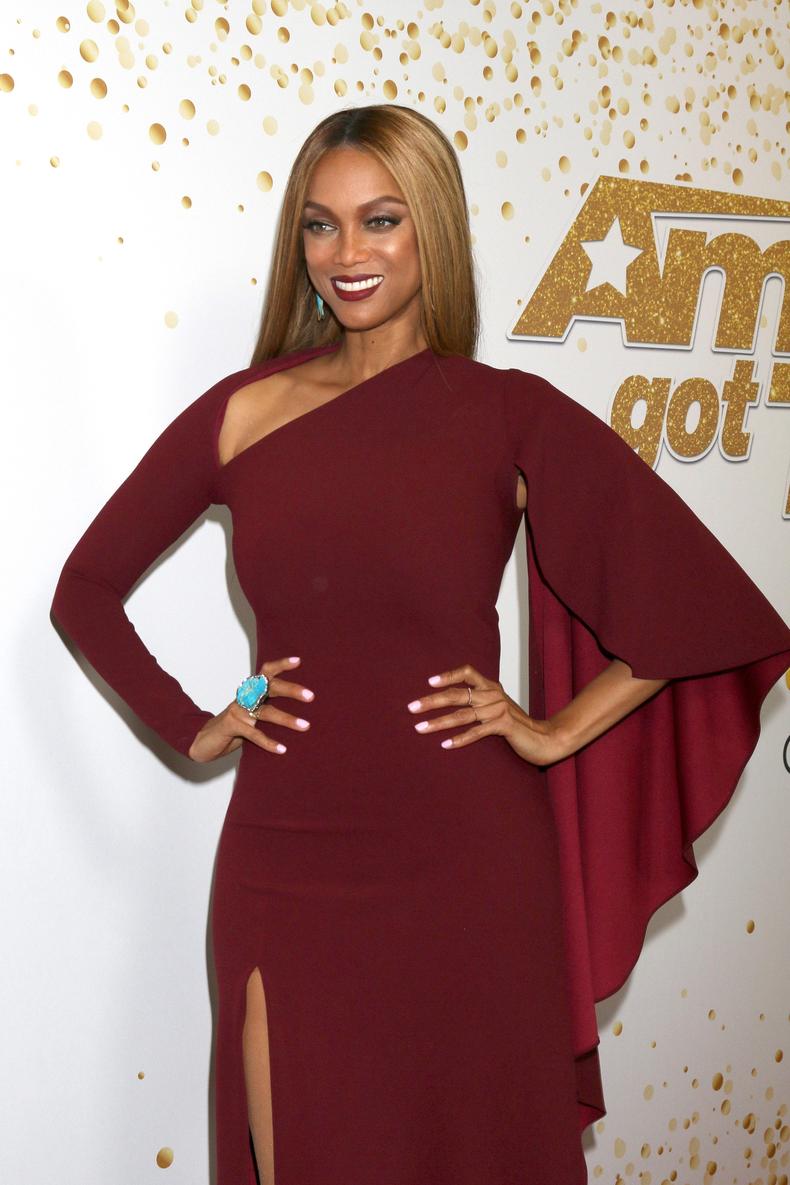 The 1990s supermodel was the first African-American woman to appear on the covers of GQ and a Sports Illustrated swimsuit issue. Banks has remained high profile thanks to a successful TV career, with her own chat show, The Tyra Banks Show, and presenting the reality series America’s Next Top Model.
She faced rejection as a teenager due to gaining weight during puberty and because agencies claimed they already had a Black girl. She was eventually signed by a leading agency, though, and chose to forgo university for Paris Fashion Week. To prepare, she researched designers and used her findings to plan what to wear when meeting them – a strategy that led to her booking 25 shows in one season. Often facing scrutiny for her body shape and weight, she was called “too big” by designers at Milan Fashion Week. Banks then shifted toward lingerie and swimwear modelling before becoming one of the original Victoria’s Secret Angels.
Winnie Harlow
The Canadian recently became the first person with the skin condition vitiligo to be honoured with a Madame Tussauds wax figure. A photographer friend first encouraged Harlow to pursue modelling, and in 2014 she appeared on America’s Next Top Model. The show was a huge profile boost, but it was Harlow’s own social media following (10 million on Instagram) that helped her cultivate a lasting fan base. She was the first supermodel with a visible skin condition to participate in the Victoria’s Secret Fashion Show, featured in a Sports Illustrated swimsuit issue, and became a brand ambassador for Puma.
Shaik: Featureflash Photo Agency/Shutterstock; Graham: Kathy Hutchins/Shutterstock; Banks: Kathy Hutchins/Shutterstock