The first thing you usually want to ask about a film is, “What kind of move is it?” They’re grouped into different genres (French for “type”), like comedy, drama, or science fiction.
Here’s a 101 on movie genres: how they emerged, why they’re so important in cinema, and the key ones to know.
JUMP TO

“Harry Potter and the Prisoner of Azkaban” Credit: United Archives GmbH / Alamy Stock Photo
Genre is a classification system that creates expectations for the type of emotional experience viewers will have while watching. For instance, if it’s designed to make them laugh, it’s a comedy, while if the point is to leave them scared, it could be a horror film or a thriller.
Without genre, there would be a lack of classification to help us navigate titles.
To understand a specific film genre, look for certain tropes (for example, similar characters, plots, settings, or themes), whether they follow the conventions of their genre or break them to do something different.
Imagine choosing a film without knowing what to expect? Psychologically, we like to be in the mood for a certain story by knowing what it is in advance.
Genre offers a choice; it’s a shared language among filmmakers, critics, and fans, and a steer for helping to discuss, analyse, and appreciate movies.
Each film genre has its own conventions and iconography (visual motifs). These are recognised by looking at the narrative or style of a film to see what plot structure, character archetypes, and mise-en-scène (setting, props, costumes, lighting, and staging) are used.
For instance, gangster movies like The Public Enemy (1931) and Goodfellas (1990) typically feature a tough-guy archetype, an urban setting, a “rise and fall” storyline, cigars, and sleazy bars.
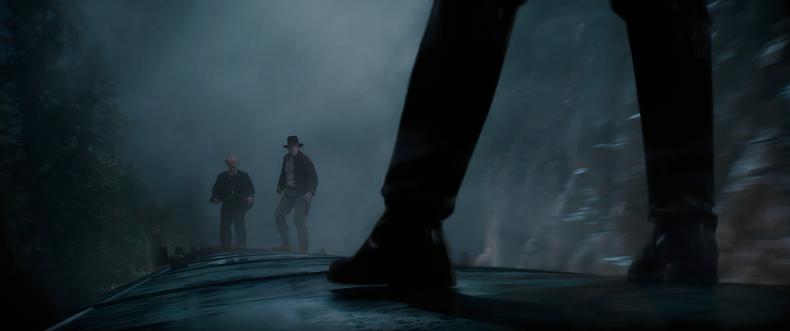
“Indiana Jones and the Dial of Destiny” Courtesy Lucasfilm
The term “genre” has been used since the early days of cinema to categorise films. Just as filmmaking techniques have changed and developed throughout history, so have genres.
Film genres and their popularity often reflect what’s happening in society: Film noir captured the mood of postwar America during the 1940s and 1950s, and Blaxploitation films emerged during the early 1970s, following the civil rights movement.
In Hollywood, as sound and colour technology developed and the studio system (a business model of large studios dominating the industry) blossomed during the 1930s through the 1950s, popular genres like westerns, musicals, and melodramas emerged.
As filmmaking developed, subgenres such as action-adventure became popular – think the late 20th century blockbuster franchise Indiana Jones. In the 21st century, genres diversified further, with superhero films merging action, drama, comedy, and science fiction.
Genre helps find an audience for a film, as it sets expectations for viewers about what they will experience, whether it’s relatability, cultural relevance, escapism, the involvement of certain actors and directors, or a shared experience.
Some genres have huge fan bases that foster a sense of community. Sci-fi films like Star Wars are celebrated at Comic-Con events across the world, while cult musical The Rocky Horror Picture Show is a popular choice at singalong screenings.
Horror films can be produced on relatively low budgets. The Blair Witch Project (1999) was made for US $60,000, yet grossed US $248 million at the box office. It established the supernatural psychological horror subgenre and used a documentary footage technique to make the film feel real to audiences.
Genre movies are, therefore, reliable products to produce, sell, and market.
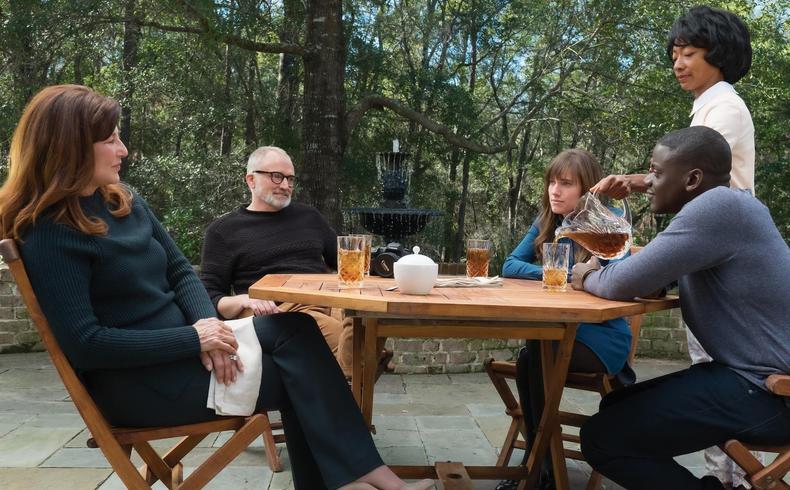
“Get Out” Courtesy Universal Pictures
Understanding how to use genre helps filmmakers craft innovative storytelling and connect with audiences.
Each genre creates its own emotion and set of audience expectations. Knowing the differences can help filmmakers decide what kind of story their film is, which helps them know how to advertise it in a competitive market.
Actors and archetypes
For actors, movie genres indicate the type of performance needed for a role. Some actors become well-known and successful in certain genres, though they may also be typecast as an archetype.
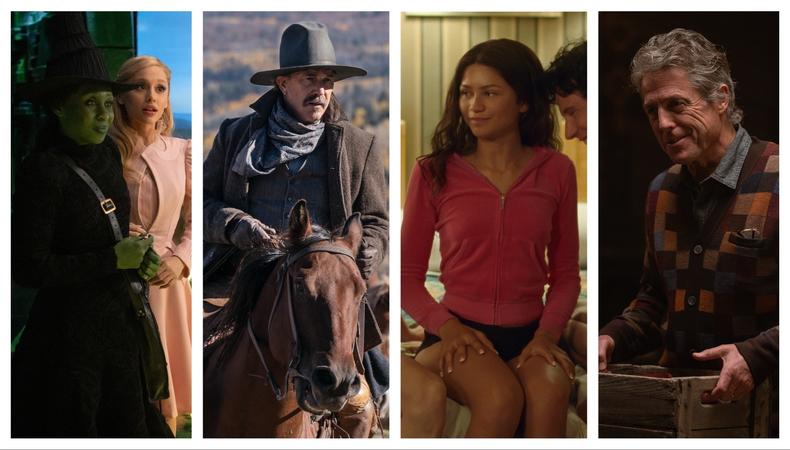
Hugh Grant became well-known for playing a bumbling Englishman and lothario in romantic comedies Four Weddings and a Funeral (1994) and the Bridget Jones franchise. You could argue it took 30 years for him to break free from this mould, playing the creepy antagonist in 2024’s religious horror film Heretic.
Subgenres
As filmmaking and audience tastes have developed, new subgenres have emerged, enabling filmmakers to explore different angles and avoid cliches.
Comedy has a number of subgenres, and some – like romantic comedy (aka the rom-com) – have become established genres in themselves. Some rom-coms break conventions, though, like 500 Days of Summer (2009), which inverted gender stereotypes by featuring a male protagonist as a hopeless romantic chasing after a woman who doesn’t believe in love.
Genre-crossing is when traditionally distinct and juxtaposing genres are blended together, like the satirical horror film Get Out (2017), which used satire and social commentary to explore structural racism and oppression.
Some subgenres give an idea of what to expect but not a specific emotion, like sports movies – such as Raging Bull (1980), A League of Their Own (1992), or Challengers (2024) – that, once paired with drama or comedy, create an emotional response.
Major movie genres
1. Action
A consistently popular genre known for its larger-than-life heroes, the triumph of good over evil, fast-paced stunts, special effects, and memorable characters. Subgenres include martial arts, cop movies, and disaster films.
Examples: Die Hard (1988), Casino Royale (2006), The Fast and the Furious (2001)
2. Adventure
This genre contains similar elements as action. The main difference is the story follows the main characters on some kind of quest, and it is often set in a faraway, unfamiliar land. It’s also often set way in the past, or in a fantasy world.
Examples: The Goonies (1985), Jumanji (1995), The Mummy (1999)
3. Horror
Horror taps into our deepest fears and invokes a sense of dread and suspense, often through storylines with evil, persistent antagonists and/or otherworldly forces for evil. These films sometimes explore complex themes like morality as well. Subgenres include supernatural, psychological, and slasher films.
Film examples: Child’s Play (1988), Ringu (1998), The Shining (1980)
4. Thriller
A thriller blends tension and anticipation into a high-stakes story, with well-developed characters and plot devices like red herrings (misleading information), a “ticking clock” aspect (a deadline for characters), and the withholding of information for intrigue.
Examples: North by Northwest (1959), Shutter Island (2010), The Talented Mr. Ripley (1999)
5. Comedy
This light-hearted genre offers humour and releases tension. Comedies are often less about making constant jokes and more about presenting relatable situations and escapism. Popular subgenres include slapstick, satire, and parody.
Examples: The Big Lebowski (1998), Monty Python’s Life of Brian (1979), Some Like It Hot (1959)
6. Drama
Drama explores complex, universal themes like identity, injustice, and personal growth through emotionally driven characters in extreme situations, often dealing with difficult relationship dynamics or moral questions.
Examples: Boyz n the Hood (1991), Schindler’s List (1993), The Shawshank Redemption (1994)
7. Fantasy
This genre features fictional supernatural elements that transport viewers to imaginary universes. Characters might be superheroes, magical creatures, or simply humans in fantastical places.
Examples: Harry Potter and the Sorcerer’s Stone (2001), Labyrinth (1986), The Lord of the Rings: The Fellowship of the Ring (2001)
8. Mystery
These typically have a puzzle that needs to be solved and often feature a detective and plot twists, as suspense develops and the film puts together the pieces. Subgenres include supernatural films and film noir.
Examples: The Big Sleep (1946), Mulholland Drive (2001), The Sixth Sense (1999)
9. Crime
Inspired by the literary genre, these focus on the world of law enforcement and criminal investigation, revolving around protagonists on both sides of the law, like criminals and cops. In some cases, films are based on true stories. Crime overlaps with genres like drama, and it fits into subgenres like gangster, prison films, and courtroom dramas.
Examples: Bonnie & Clyde (1967), Fargo (1996), Training Day (2001)
10. Romance
These are love stories centring around protagonists that explore the emotions and complexities of relationships. The characters often face hardships or obstacles on the journey to true love.
Examples: Gone With the Wind (1939), Dirty Dancing (1987), The Notebook (2004)
11. Musicals
Created as a form of entertainment during the Great Depression (in the 1930s), these films weave musical numbers (told through song and dance) into the narrative to progress the story.
Examples: Les Misérables (2012), West Side Story (1961), Wicked (2024)
12. Science fiction
Sci-fi is known for its imaginative, futuristic worlds and alternate realities. Time and space travel are recurring concepts of these films, as are the consequences of technological or scientific advances.
Examples: Alien (1979), District 9 (2009), Planet of the Apes (1968)
13. Westerns
Once upon a time, this was a core genre in Hollywood; it’s still revived by directors like Quentin Tarantino in Django Unchained (2012). These vivid productions tell the tale of a cowboy or gunslinger pursuing an outlaw in the Wild West. The main character often seeks revenge and will face the criminal in a duel or shootout.
Examples: The Good, the Bad, and the Ugly (1966), Horizon: An American Saga (2024), There Will Be Blood (2007)
14. Animation
Some of today’s biggest hit films are animations, which lean on high-quality art design and broad audience appeal. Production houses Disney, Pixar, and Studio Ghibli are industry leaders in the genre.
Examples: Inside Out (2015), Pinocchio (1940), Spirited Away (2001)
15. Documentary
This genre encourages audiences to evaluate society and real-world experiences. A documentary is nonfiction that aims to inform, educate, and raise awareness.
Example: The Thin Blue Line (1988) was so impactful that it led to an innocent man’s death sentence being overturned.
Film genres not only entertain us, but they’re influenced by (and influence in return) popular culture.
By understanding them, we can appreciate strong storytelling, but there’s more to them than that. Now, more than ever, film genres can amplify change by breaking stereotypes, tackling important social issues, and challenging existing norms.