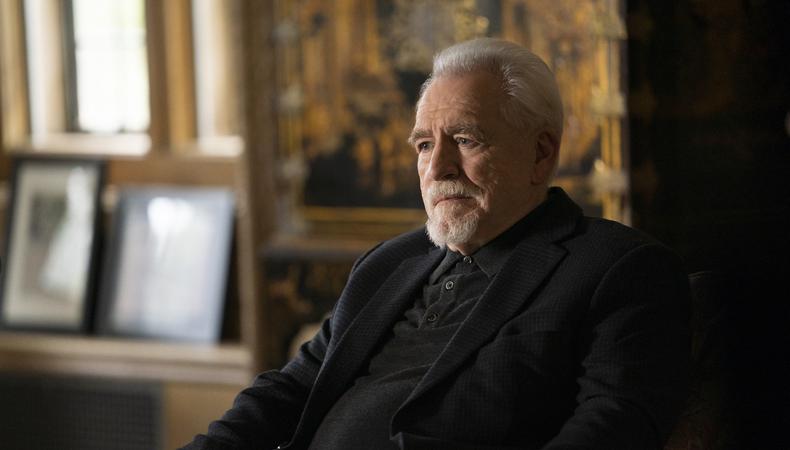
With its internationally acclaimed exports of theatre productions such as Black Watch, films like Trainspotting and Wild Rose, and TV series like Outlander, Scotland dances to its own tune when it comes to creative productions; so it provides a rich landscape of potential work for actors.
There are many film production companies based in the country that work on projects ranging from feature films and commercial content to documentaries and animation. What’s more, companies from elsewhere in the UK and beyond turn up to shoot against the dramatic Scottish scenery.
If the stage is more your thing, you can audition for leading venues such as Glasgow’s National Theatre of Scotland and Citizens Theatre, Edinburgh’s Royal Lyceum Theatre, the Dundee Rep, and the Pitlochry Festival Theatre. And let’s not forget the world-famous Edinburgh Festival Fringe, which sees over 1,000 shows descend on the city every August.
1. Get training.
Start by studying for a qualification or taking classes in a particular area of the performing arts. Not only will training help you hone your craft—it will also set you apart at auditions and provide networking opportunities and exposure.
If you have the time and the resources, consider applying to a full-time course at Glasgow’s prestigious Royal Conservatoire of Scotland, which the Times called “one of the top performing-arts institutions in the world.” Alongside three-year BA programs in acting and musical theatre, RCS offers a range of short evening courses for adults—ideal for those who want to fit in training around their current schedule.
Alternately, you can get a one-year professional diploma in performance from Acting Coach Scotland or a two-year BA in stage and screen acting from Edinburgh Napier University.
2. Gain experience.
The best way to build your confidence as a performer is to get experience. Here are a few routes for getting that all-important practice in:
- Amateur dramatics
You can find amateur dramatic societies all across Scotland—especially in major cities. These groups welcome people of all abilities and offer plenty of performance opportunities. Try the Edinburgh People’s Theatre, one of Scotland’s oldest amateur theatre groups, or the Kirkintilloch Players near Glasgow. If musical theatre is your passion, check out the Lyric Club in Glasgow or Forth Dimension Musical Productions in Edinburgh. - Student films
Working in student film gives early career actors experience in front of a camera without the pressure of signing a contract. If you’re a student yourself, check your school’s internal forums for opportunities; otherwise, you can find notices on casting platforms like StarNow.
In particular, look for opportunities at the Edinburgh College of Art, the RCS, the Glasgow School of Art, the University of Glasgow, Edinburgh Napier University, the University of the West of Scotland, and Dundee & Angus College, as all of these institutions have filmmaking courses. Join the Student Filmmakers in Scotland Facebook group to access further listings. - Fringe theatre
Whether you’re working solo or as part of a group, mounting your own show is an opportunity to learn the ropes and add credits to your acting CV. Since it offers hundreds of performance spaces, the Edinburgh Festival Fringe is probably your best bet. Each year, the fest attracts producers, directors, playwrights, performers, and other industry professionals, so it’s a great place to gain exposure. Sign up for newsletters from the Edinburgh Fringe Society to find further opportunities.
3. Create a professional portfolio.
This should include a headshot, CV, and showreel. These materials are essential if you’re planning to apply for acting opportunities and create profiles on casting websites. If possible, hire a photographer to take your headshots; if you opt to shoot your own, make sure the lighting is good and that you’re framed against a plain background.
Your showreel is an edited digital recording of highlights from your work. Try to get video footage of everything you’re involved in so you can add it to the video, and regularly update it with your latest work. You can choose to keep your clips separate or edit them together into a reel that’s less than five minutes in length. If you don’t have any material to include, consider filming yourself performing monologues that suit your casting type.
4. Create profiles on casting websites.
Once your portfolio is ready and you’ve signed up for an account on StarNow and/or other casting websites, you can start applying for roles. Curate and save your preferred searches so you’ll be notified as soon as jobs that meet your criteria arise.
5. Find an agent.
Signing with an acting agent is an important step in your career. Reps have access to professional casting briefs and can submit you for roles; they’ll also handle contracts and payments. Theatre Scotland has a useful list of agencies based in the country. Research the companies you’re interested in, paying particular attention to the actors they already have on their books. When you apply, send your CV, portfolio, showreel, and a letter explaining what sets you apart from the agency’s other clients.
6. Find resources on social media.
Follow casting directors and theatre and production companies on platforms like X, Facebook, and Instagram to stay up to date with announcements. Nine members of the Casting Directors’ Guild are located in Scotland. The National Theatre Scotland, the Royal Lyceum Theatre Edinburgh, Tron Theatre, and Citizens Theatre are also worth following for stage audition opportunities.
If you’re looking for television work, follow BBC Studios and STV Studios, Scotland’s largest TV production company. You can also join dedicated Facebook groups like Scottish Film Makers and Actors, which has almost 38,000 members, and Stage & Screen Actors Scotland, which has more than a thousand members. These groups are a great source for casting calls and offer a chance to belong to a community of fellow creatives.
lev radin/Tinseltown/Loredana Sangiuliano/Shutterstock
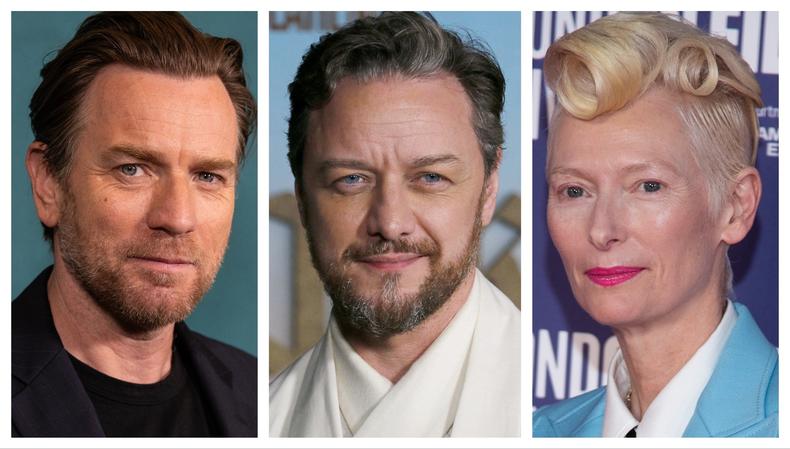
The country has produced many famous talents who have made significant contributions to the industry. Here are just a few.
Gerard Butler
- Known for: 300, P.S. I Love You, Olympus Has Fallen
- Accolades: MTV Movie & TV Award, Voice Arts Award
Peter Capaldi
- Known for: Doctor Who, The Thick of It, In the Loop
- Accolades: Academy Award, BAFTA, British Comedy Award
Sean Connery
- Known for: James Bond films, Indiana Jones and the Last Crusade, The Untouchables
- Accolades: Academy Award, BAFTA, Golden Globe
Billy Connolly
- Known for: The Boondock Saints, The Last Samurai, Brave
- Accolades: BAFTA, National Television Award
Brian Cox
- Known for: Succession, X2: X-Men United, Troy
- Accolades: Emmy, Golden Globe, Olivier Award
Karen Gillan
- Known for: Doctor Who, Guardians of the Galaxy, Jumanji
- Accolades: Empire Award, National Television Award
Ncuti Gatwa
- Known for: Barbie, Sex Education, Doctor Who
- Accolades: BAFTA Scotland Award, Royal Television Society Award, National Comedy Award
Kelly Macdonald
- Known for: Trainspotting, No Country for Old Men, Boardwalk Empire
- Accolades: Emmy, Screen Actors Guild Award
Richard Madden
- Known for: Game of Thrones, Bodyguard, Rocketman
- Accolades: Golden Globe, National Television Award
James McAvoy
- Known for: Atonement, X-Men, Split
- Accolades: BAFTA, National Television Award
Ewan McGregor
- Known for: Trainspotting, Star Wars, Moulin Rouge!
- Accolades: Emmy, Golden Globe, BAFTA
Tilda Swinton
- Known for: Orlando, We Need to Talk About Kevin, Michael Clayton
- Accolades: Academy Award, BAFTA, British Independent Film Award
David Tennant
- Known for: Doctor Who, Broadchurch, Good Omens
- Accolades: BAFTA, National Television Award, People’s Choice Award
All of these A-listers had to start somewhere. Connery’s made his performance debut in the chorus of South Pacific in 1953, while Butler’s first acting job was a small role in 1997’s Mrs. Brown. McAvoy’s first credit was in 1995’s The Near Room, and Tennant’s was in a 1991 anti-smoking film for the Glasgow Health Board. Cox, meanwhile, got his start in the Dundee Repertory Theatre’s 1965 production of As You Like It.