
Few careers come with the opportunity to adopt a brand new identity, but acting is one of them. All actors registered with the major casting platform Spotlight have to have a name that’s unique to its database – it must be one-of-a-kind to ensure you will never be confused with another actor.
It’s the name you’ll be referred to in every theatre programme, IMDB listing, review, film credit, and so forth. You’ll carry it with you throughout your professional acting career. If there’s already an actor with your real name in the system, you’ll have to choose a stage name.
All actors can choose a stage name – and many embrace the opportunity to finally be shod of a name that caused playground gibes or call-centre snickers. Some simply want a name that sounds a bit more theatrical, which was perhaps why Judy Garland changed her name from Frances Ethel Gumm.
If you’re just starting out as a professional actor and are in the process of making the all-important decision of what to call yourself, here’s how to go about finding a stage name that fits.
JUMP TO
A stage name is an actor’s professional name; it’s a pseudonym that actors, musicians, and other performers adopt for use in the industry instead of their legal name. The practice of using a stage name dates back centuries; many of the most recognisable names in entertainment aren’t the birth names of the people who bear them. For instance, Marilyn Monroe was born Norma Jeane Mortenson and Whoopi Goldberg’s birth name is Caryn Elaine Johnson.
Stage names can help actors stand out in the industry, avoid confusion with other actors, or maintain a degree of privacy. For example, Natalie Portman was born Natalie Hershlag, but adopted her grandmother’s surname of Portman as a privacy measure when she starred in Luc Besson's The Professional at only 12 years old.
You may also choose to use a stage name for professional branding, union restrictions, or simply personal preference.
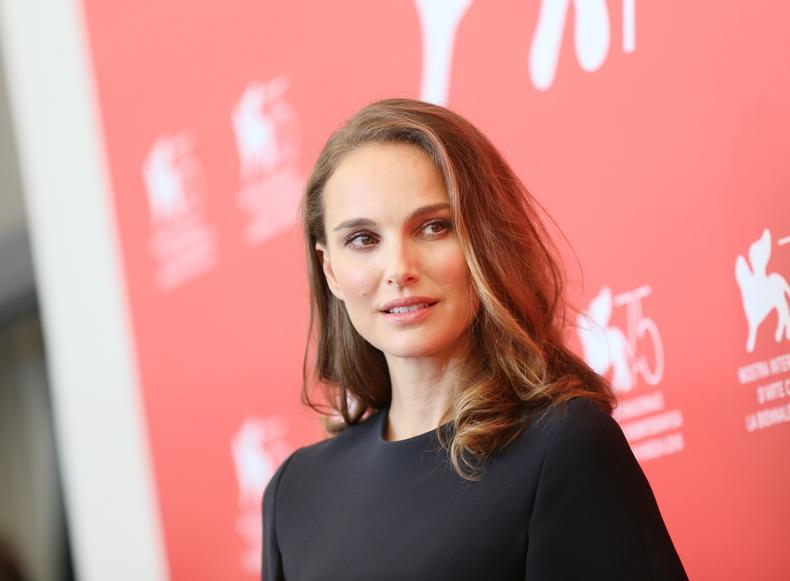
Denis Makarenko/Shutterstock
The decision to use a stage name is often guided by a few goals:
1. Avoid confusion with other actors.
Neither the British performing arts union Equity or Spotlight allow an actor to register with their organisations under a name already on their books. So, if your name is already in use, or too close a variation of that name, then you need to choose a stage name. Spotlight allows you to check if your name is in use, but it advises actors to also look for variations. Some examples include:
- A variation in the spelling or sound of a name. For example, you wouldn’t be able to use the name Judy Dench (because there is already a famous actor named Judi Dench), and you wouldn’t be able to register the name Jayne Seymour because it is too close to the name Jane Seymour.
- Adding initials when a name already exists. For example, you couldn’t use the name Keira M. Knightley or Ben T. Whishaw.
- A shortened version of a longer name when the longer name already exists. Pete Capaldi is off the table, as there is already an actor called Peter Capaldi.
- A long-form name where a diminutive exists: Benjamin Whishaw would not be usable, nor would Edward Redmayne since there is already an Eddie Redmayne.
- Pluralised surnames where another exists. Emily in Paris fans can’t choose Lily Collin, because there is already a Lily Collins.
An actor's stage name is protected by Equity for the duration of their membership and for 12 months following their death. After this time, the name becomes available for registration by other members, but if an actor had achieved global recognition, then it would be unwise to choose it. Plus, the name may be legally protected by the deceased actor’s estate.
2. Create a memorable identity and enhance marketability.
A catchy, individual stage name can help an actor stand out in casting directors’ minds. Names that are memorable may have more impact, especially in an industry where first impressions count: Think of the British actor Archibald Leach, who adopted the now iconic stage name Cary Grant.
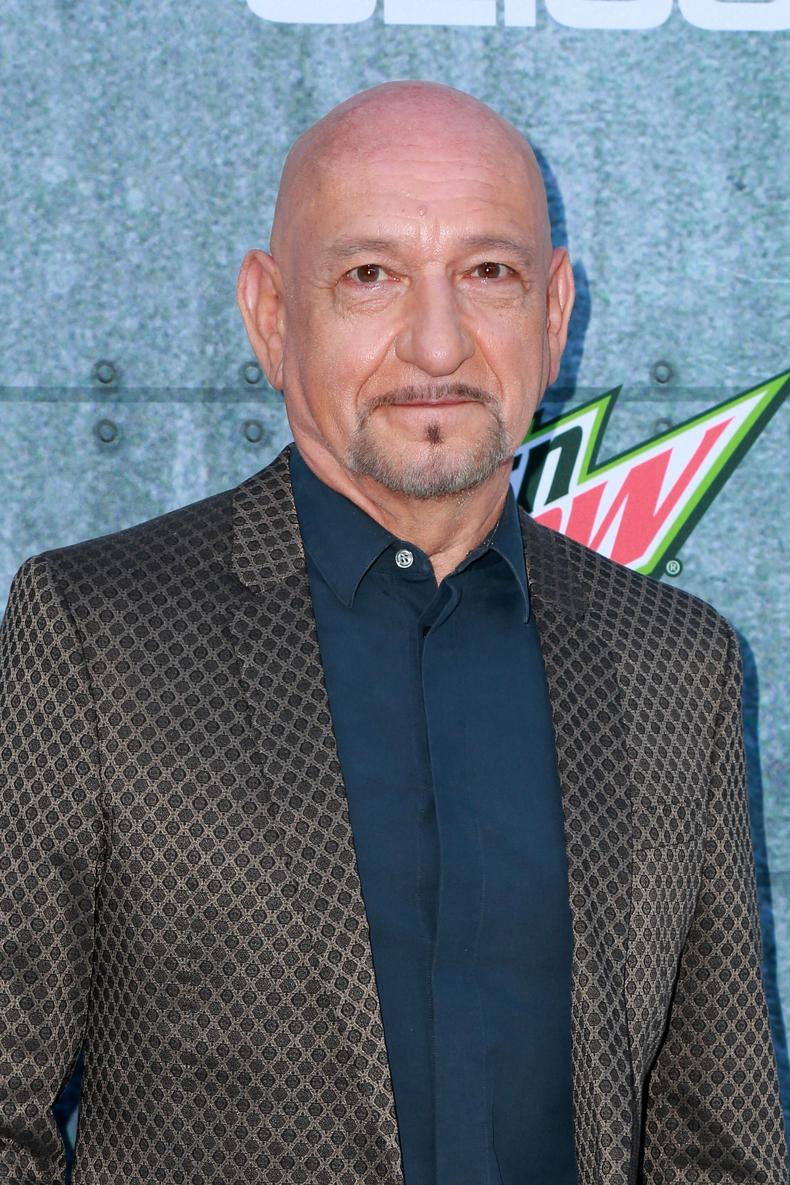 3. Circumvent discrimination or typecasting.
Sometimes actors select a name that is easier to remember – though you should approach this thoughtfully and respectfully if you decide to change your name for this reason. For example, Sir Ben Kingsley was born Krishna Pandit Bhanji and has said that he changed his name to avoid potential discrimination.
4. Reflect your heritage.
Some actors change their name to one that they feel better represents them. British actor, playwright, and director Kwame Kwei-Armah chose a name that embodied his heritage. He was born Ian Roberts but changed it at the age of 19.
5. Protect your privacy.
A stage name can provide a layer of privacy, separating an actor’s personal and professional life. For instance, your birth name, not your stage name, would still appear on bank statements and other bills. If you trust your career is going to lead to stardom, then it may be worth taking a stage name.
Not every actor needs a stage name, and many actors achieve recognition under their real names. Before choosing one, consider:
- Is your real name already in use? Check with Equity and Spotlight or search IMDb to see if anyone else shares your name.
- Does your name suit your professional identity? Some actors feel their real names don’t align with the image they want to present.
- Do you want more privacy? If you’d prefer a degree of separation between your public and private life, a stage name can help.
If you’ve decided to adopt a stage name, here are some practical tips to help you choose one that fits.
1. Consider meaning and significance.
Names carry meaning, and some actors choose names that hold personal or cultural significance. Whether it’s a family name, a place of importance, or a word that inspires you, adding this personal element can make the name feel more authentic and connected to who you are. People often reach for their mother’s maiden names or their own middle names to create a stage name.
2. Test your name’s sound and look.
Say your potential name out loud and hear how it sounds. Would you feel comfortable introducing yourself with it? Imagine how it might look in a programme or on a movie poster. This visualisation can help you determine if the name feels like a good fit.
3. Check online for availability.
An online presence is essential, so check if the domain name for your stage name is available, or if the handles on Instagram, X, and TikTok have already been claimed. Having a matching website and social media handles can help build a cohesive brand. Try Googling your intended name to see what comes up. You don’t want to mistakenly choose the name of a famous footballer or established author who will always outrank you in Google searches.
4. Avoid cultural appropriation or insensitivity.
While exploring stage names, be mindful of cultural sensitivity. Avoid adopting names from backgrounds or cultures that are not your own. Choose a name that authentically represents you and doesn’t unintentionally cause harm or misunderstandings.
 Many successful actors work under stage names. Emma Stone (La La Land) was born Emily Jean Stone and changed her name to avoid confusion with another actress named Emily Stone. David Tennant (Doctor Who), born David McDonald, adopted his stage name for similar reasons, eventually changing his legal name too in order to act as David Tennant in the U.S., while Vin Diesel (The Fast and the Furious) was born Mark Sinclair, but decided to adopt a name that projected toughness and aligned with his action-movie persona.
Once you’ve chosen your stage name, update your social media, website, and professional contacts, and introduce yourself with confidence at auditions. This is your working name henceforth, and you will need to embrace it fully.
Kingsley: Kathy Hutchins/Shutterstock; Diesel: DFree/Shutterstock