
Scroll any social platform for five minutes and you’ll see the words “influencer” and “content creator” popping up. But what do they actually mean? It’s a little complicated, because they’re often used interchangeably. As those working in either lane will tell you, however, their roles are quite different.
Let’s break down their definitions, their differences, and where they overlap.
JUMP TO
GaudiLab/Shutterstock
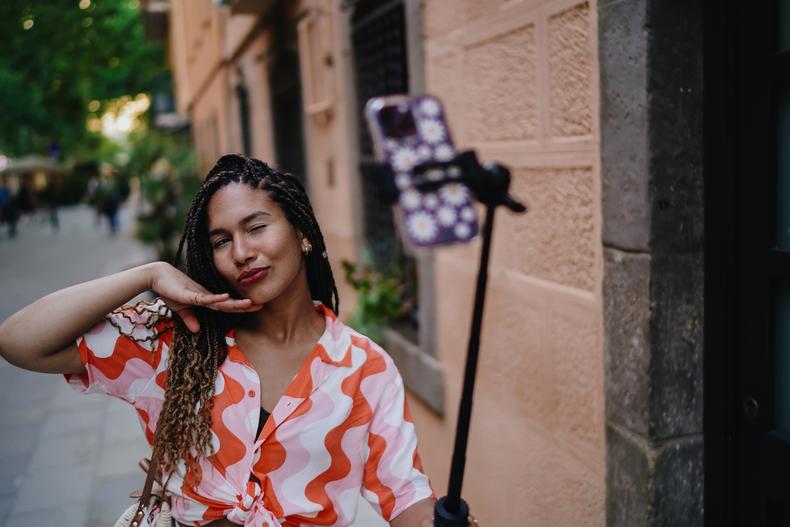
An influencer is someone who has built an audience and can influence that audience’s behaviour – particularly what they buy. “Essentially it is someone that uses social media to literally influence others,” according to BBC Bitesize. “They promote products, services, or a certain lifestyle to their followers, who will pay close attention to their recommendations, trust their opinions, and use them to inform their purchasing decisions.”
Influencers post on social media sites, including TikTok, Instagram, and YouTube. Influencers are typically authorities in a particular niche. They may post about fashion, fitness, travel, beauty, parenting, or something more random like sticky toffee pudding, and their value to brands is tied to how effectively they can convert attention into action.

StockLab/Shutterstock
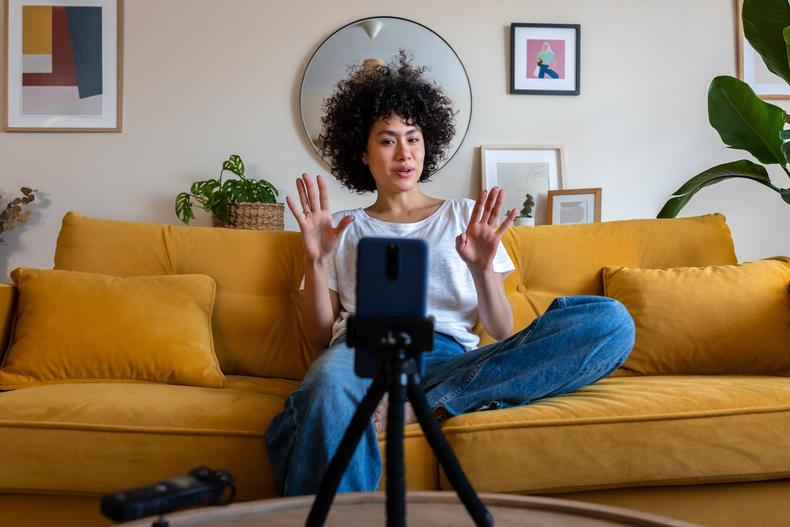
“Content creator” is a broader term. It’s someone who produces digital content, video, photography, writing, audio, or design with a focus on the craft rather than the reach. “A content creator is someone who creates entertaining or educational material to be expressed through any medium or channel,” Erika Lenkert writes for Adobe.
Content creators don’t necessarily need a large following to be valuable. Anyone who puts out any content could probably call themselves a content creator, but they may work in-house with brands or businesses to produce assets: Think TikTok skits, YouTube videos, or podcast episodes.
Content creators are less likely to operate as an individual than an influencer is. The career of a content creator leans more heavily on creation than on the influence they have over people. But when looking at a piece of social media content, it’s not always instantly obvious whether it was made by an influencer or a content creator.
Daniel Hoz/Shutterstock
Not if the terms are used correctly. It is common, however, for people we may traditionally term influencers to describe themselves as content creators or simply creators. The internet has blurred the categories so much that many people now operate as both. “Keep in mind that there are hybrid content creator–influencers out there,” points out creator platform Trend.io.

PeopleImages/Shutterstock
1. The definition
Influencers focus on fostering a following and encouraging people to buy specific products. “Their focus is on engagement and community-building,” says Trend.io.
Content creators focus on producing content, often for multiple clients that typically include brands. “These folks are making great stuff for the sake of content, not necessarily to gain followers or build a community,” says Trend.io.
2. Income streams
Influencers earn money by:
- Getting brand partnerships
- Affiliate marketing
- Sponsored posts
- Paid appearances or campaigns
Content creators earn money by:
- Content production (e.g., video editing or photography)
- Brand contracts, but not necessarily front-facing videos or photos
- Selling and carrying out work for companies
- Selling digital products
“Content creators monetise through direct sales of digital products, ad revenue from platforms, freelance commissions, or brand contracts, and their income grows with quality output, niche authority, and content licensing,” Avanii Thakur writes for the agency Socially Powerful.
3. Audience size
Influencers: Audience size can increase an influencer’s value.
Content creators: Skill and portfolio matter more than follower count.
This is why many brands now hire content creators with small or even no audience at all, especially for user-generated content (UGC). It can be cheaper too. “A content creator prioritises originality and quality over chasing likes or follower counts. Their work involves researching topics, crafting narratives, designing visuals, and publishing material that builds long-term trust,” Thakur writes.
4. Type of work
Influencer work is usually:
- In front of the camera
- Personality focused
- In a specific niche
Content creator work is usually:
- Either in front of the camera or behind the scenes
- Commissioned
- Edited, scripted, or produced
- Brief led
Influencers tend to feature their faces in their work. Content creators may do that, too, or they may produce videos and posts from a greater distance.
Here’s the messy bit: Most people working in this industry sit somewhere in the middle. And, even more confusingly, someone who we’d traditionally think of as an influencer may describe themselves as a content creator. Some people developing careers in the online space could be building a personal lifestyle Instagram while also creating lots of UGC on the side. Others could be paid to script YouTube videos while having a personality-driven TikTok account.
There are lots of similarities in the kind of work they produce too. “Content creators are similar to influencers because both use digital platforms to engage audiences, build trust through creative storytelling, collaborate with brands, foster community, and maintain consistent content quality,” Thakur writes.
Ultimately, it’s worth remembering that in both careers, being creative, having good editing skills, and employing strong social media knowledge will help you thrive.