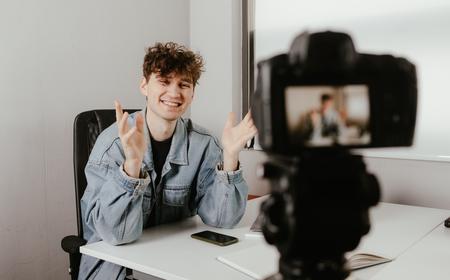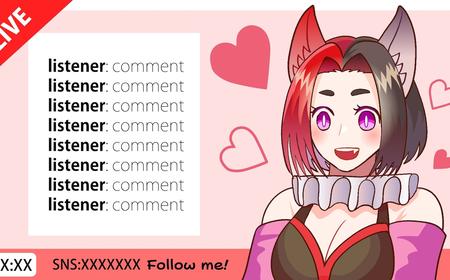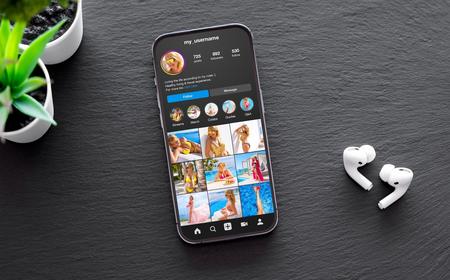
You may see the life of a content creator on TikTok or Instagram and think it’s the dream, but their get-ready-with-me videos or what-I-eat-in-a-day reels are built to make it look easy. The life of a content creator actually involves a lot of editing, business skills and a pretty hefty online presence – especially when you’re just starting out.
“A digital content creator is responsible for creating entertaining and educational content and acts as an entity’s mode of communication,” a post from the University of Greater Manchester neatly puts it. It’s not a 9-to-5 job in the traditional sense, but many content creators find themselves working more than full-time hours in order to keep up with the demands of the business.
What does a career in content creation actually look like? Here is a tell-all piece that will get you up to scratch with what goes on behind the scenes of those carefully edited videos.
JUMP TO
In a nutshell, “a content creator creates engaging blogs, podcasts, videos, and graphics for use across different platforms,” according to online learning platform Coursera. In 2026, that content is typically shared on platforms such as TikTok, Instagram, and YouTube. But that description barely scratches the surface.
A creator’s workload usually includes:
- Filming videos
- Writing captions and scripts
- Editing
- Negotiating with brands
- Pitching
- Tracking analytics
- Responding to followers and clients
- Managing invoices and contracts
- Planning content calendars
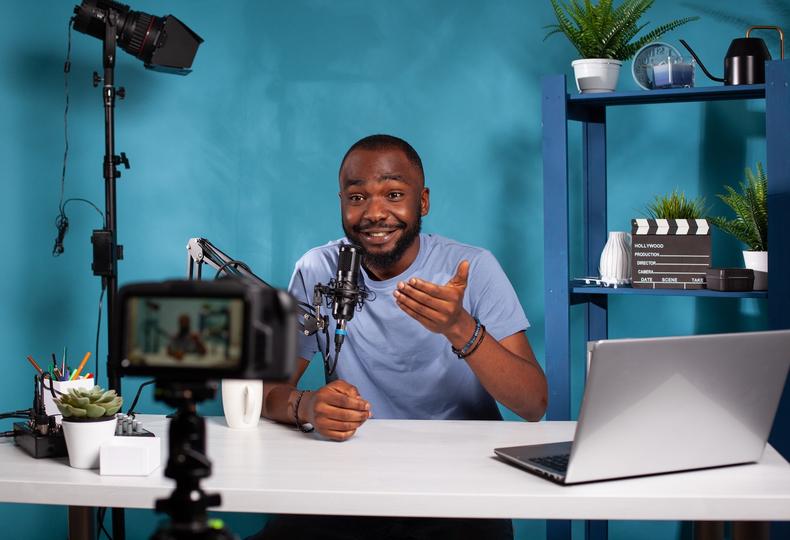
Creators are often simultaneously performers, marketers, editors, producers, and small-business owners. “Content creators have a broad range of responsibilities, though their most important is creating captivating content for a company’s or brand’s target audience,” according to Coursera.
Some creators can be described as influencers – posting about whatever they like – but others may make content specifically for brands or focus on creating user-generated content (UGC). There’s some overlap, but, as professional livestreaming and recording platform Streamyard explains, “in order for content to be UGC, it needs to be generated by a user or consumer rather than professional content producers.”
Later in a content creator’s career, they may hire a team to help with tasks such as editing. “I’ve edited for a handful of influencers,” says professional editor Peter from BVC. “The chances are that your favourite YouTuber you watch has a team of 10 people behind their YouTube channel.” You’ll likely work solo when you’re starting out though.
DC Studio/Shutterstock
The finished videos viewers see online are only a fraction of the job of a content creator – as is the seemingly endless stream of exciting events, PR packages, and free meals.
Admin
Content creators still have to answer emails, review campaign briefs, and constantly analyse which pieces of content perform best. Like all freelancers, you can also expect a fair amount of chasing invoices, negotiating rates, and searching for new opportunities.
“I spend about 45 minutes responding to emails and DMs in bed. I check my daily calendar to remind myself what meetings I have, what partnership deadlines I have, and what sponsored content needs to go live,” says luxury lifestyle influencer Lindsay Silberman. Later, she “spend[s] two hours scrolling and engaging.… Sometimes it’s the only period of the day where I can play catch-up to see what’s happening on TikTok, Facebook, and Instagram.”
Chasing opportunities
One of the biggest misconceptions about content creation is that brands simply appear once you start posting. Unpredictability is a reality for content creators at the start of their careers. Unlike traditional employment, there’s no guaranteed salary and no stable progression ladder. One viral video could make your career, but it could also lead to very little.
Creators often spend years building portfolios before earning enough to go full time. “It takes about a year for a new creator to start making a profit and about 18 months to build a successful business,” Nhari Djan writes for Business Insider.
Many start by taking unpaid collaborations or low-budget campaigns. It is very common to combine freelance work with part-time or full-time jobs, especially while you’re still finding your feet.
Diversifying to earn money
Content creation is a freelance career, so income can be very unpredictable! One month you may be overwhelmed with brand deals, and the next you may receive little to no interest. Unlike salaried employment, income fluctuates dramatically.
Still, there are lots of ways for creators to earn money.
- Affiliate marketing
- Ad revenue
- Subscription platforms
- Merchandise
- UGC campaigns
- Consulting
- Courses or digital products
- Event appearances
“How much creators earn can depend on factors like follower count, audience engagement, and the type of content they post,” Marta Blino writes for Business Insider. “But it’s now possible for creators with smaller followings to make consistent and lucrative income by building a personal brand on social media.” So keep posting and using your socials as a business tool.
Remaining consistent, even when it’s unclear who’s watching
“Consistency is extremely important when it comes to building a following and becoming a full-time content creator,” writes Nakisha Wynn, who became a full-time content creator in one year. “It’s not enough to just post whenever you feel like it or have free time. You need to establish a schedule and stick to it. To become a full-time content creator, you need to treat it like a business.”
That all may sound slightly daunting, but it can also be exciting to know that there is not a single path to becoming a successful, paid content creator.
Some creators may find that their career takes off early with a single viral video, while others spend more time honing a niche with a highly profitable audience. But remember: With the right attitude, you, too, could be embracing a career as a content creator. “Set clear goals, know your audience, choose the right platforms, create a content calendar, monetise your content, and build a community,” Wynn says. “Remember: Turning your passion into a full-time career will require dedication.”