Can you put a price on your dreams? If your dream is to become a model, you can.
Like everything in life, there’s a sliding scale when it comes to costs involved. You can get started modelling for next to nothing. That’s why some of modelling’s biggest stars came from humble beginnings, from refugee Alek Wek to Jourdan Dunn, who was raised by her single mother and was scouted while shopping in Primark.
But it’s also possible to spend a lot of money.
Here’s a breakdown of how much it costs to become a model, including where and how you can spend money in setting up your modelling career, where you can save, and which red flags to watch out for.
JUMP TO
The cost of becoming a model depends on your up-front modelling expenses. Here are some of the most common you will encounter.
Comp card
A comp card (also called a composite card or Z-card) sums up your main look, indicating which niche you work in, your key measurements, and your contact details.
Costs vary depending on whether you create your comp card yourself or pay for professional design. If you’ve signed with an agency, the cost of your comp card will usually come out of your earnings.
It can cost around £100 to print 50 cards.
Travel
Travel can be one of the most significant modelling expenses, because castings can be held anywhere. If, for example, you need to go to several London castings, it could easily cost you over £15 per day.
You won’t be reimbursed for castings, but you can set that cost against your taxable income.
Portfolio
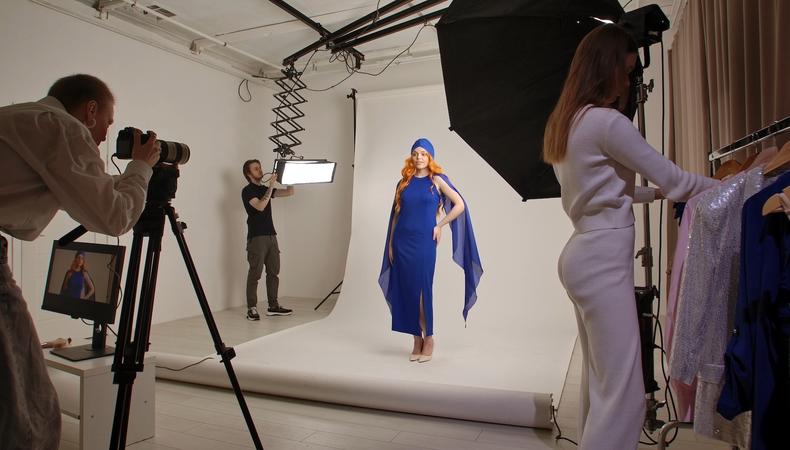
If you want to get started with your freelance modelling career right away, then it’s useful to get a portfolio together. And if you hope to attend castings with big-name clients, having a portfolio is nonnegotiable. According to The Model Builders, a professional portfolio shoot can range from a few hundred to several thousand pounds, although around £500 is typical.
If you’ve signed with an agency, the cost of your portfolio will come out of your earnings. You don’t need a portfolio to apply to an agency; clear, natural phone photographs will do.
You could also fill your portfolio with pictures from TFP (time for print) shoots you’ve already done. The shoots involve collaborating with other creatives, such as photographers, clothing designers, and makeup artists, who also need to build up their portfolios. Chances are you’ll switch out the photos for professional ones once you start booking jobs.
Then you need somewhere to keep the images. The cheapest option is hosting your portfolio on a free platform or a social media site. It’s great for sharing as a link, but if you’re meeting people face to face, they’ll usually want something physical to flick through.
For a physical portfolio, you’ll need to pay for folder and printing. Photo printing doesn’t have to be expensive – sites such as Snapfish and Photobox often have sales.

Credit: LightField Studios/Shutterstock
Reputable UK modelling agencies cannot charge up-front fees for finding you work. Only once an agency has found you paid work (and you have agreed to their terms and conditions) can they take a commission or charge you any fees.
Here are some red flags to watch out for:
- You’re being charged an up-front fee just to be represented. Check the agency’s terms carefully. Under UK government guidance, agencies cannot charge up-front fees for finding work for models.
- There’s a mandatory portfolio shoot before an agency will represent you. Be particularly cautious if the agency insists you use a specific photographer and pay hundreds of pounds.
- You have to buy a modelling course to get work. Training can be useful and help you with building your network, but it shouldn’t be presented as a mandatory gateway to representation or paid jobs.
- The agency offers “guaranteed” earnings. No agency can guarantee that clients will book you. In one Financial Ombudsman case, a prospective model paid £7,500 for a package after being told she would receive guaranteed work. The promised jobs never materialised.
- There’s a fee to attend a casting. A legitimate casting should explain what you’re auditioning for. Paying simply for the privilege of being considered is a serious warning sign.
- You’re being pressured to pay immediately. Claims such as “today’s offer only” or “you must decide before you leave” are classic pressure tactics. Take the contract away, read the terms, and seek independent advice before committing.
- An unverified social-media scout is demanding payment. Verify a scout’s identity by doing some background research and contacting the agency through its official channels.
How much does it cost to become a model? If you’re savvy, it can be free!
1. Take your own digitals
Digitals are simple, unretouched photographs that show what you look like now. Ask a friend to take a clear headshot, side profile, and full-length photo in natural daylight, wearing plain, fitted clothing.
2. Apply directly to agencies
Research UK agencies that represent your age group, look, and preferred modelling category. Most accept applications from beginners using phone photographs.
3. Look for TFP shoots
TFP shoots are collaborative shoots in which the model and photographer exchange their time for images rather than payment.
4. Work with students
Photography students, fashion students, makeup artists, and emerging designers often need people to collaborate with. Contact local colleges and universities to find opportunities.
5. Look for “real people” jobs
Commercial brands need people who look relatable, not just conventional fashion models, for lifestyle advertising and promotional work. You may be able to apply without a professional portfolio.
6. Search casting platforms
Explore platforms for relevant modelling opportunities, but make sure to read each listing carefully.
7. Build an online presence
A simple, professional profile on a free social media platform can help you showcase your look, personality, and experience. You don’t need to buy followers or pay for an elaborate website to get started.