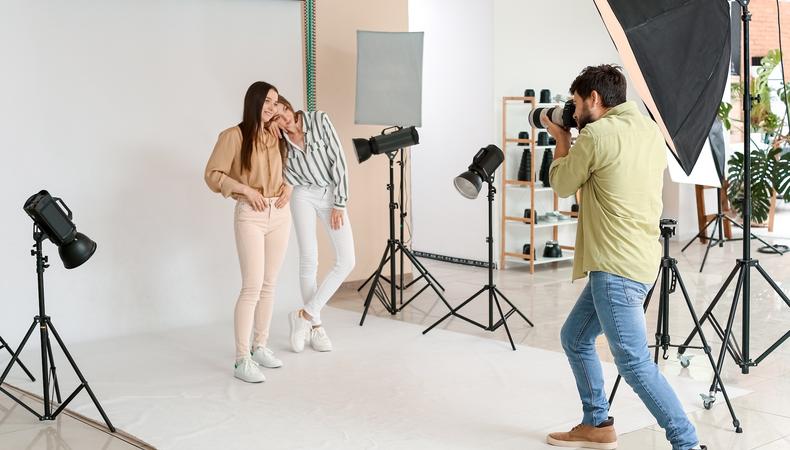
In modelling, building a strong portfolio is vital when you’re starting out. But how do you get those coveted professional-quality images?
Many beginner models do TFP photography shoots. This is when a photographer and model collaborate for free and, instead of payment, everyone gets new edited photos for their portfolio.
With the right strategy, TFP shoots can help models build a diverse, professional portfolio, which could eventually lead to paid modelling work.
JUMP TO
TFP stands for “trade for print” or “time for print,” although it may also stand for “trade for photos” or “test for print.”
The name derives from the predigital era, when models would receive actual physical prints of photographs. Images are now more commonly shared digitally, but the terminology remains the same.
A TFP shoot is essentially an exchange of services between models and photographers, in which both parties benefit from growing their portfolio while working together to execute a photo shoot. It’s a great way to experiment with creative ideas and make connections with fellow creatives while keeping costs down, since even test shoots can be costly with transportation fees and equipment and studio hire.
TFP photography is ideal for beginner models and photographers looking to develop their craft through relevant experience.
Pros of doing a TFP shoot:
- Enhance and diversify your modelling portfolio with access to free professional-quality photos
- Industry experience of being on a shoot
- Networking with creatives to build connections for future collaborations, including paid opportunities
- Low-pressure environment to develop modelling skills and discover your likes and strengths
Cons of doing a TFP shoot:
- No payment, so organising TFP shoots can use time and resources with no financial returns
- Professionalism and experience varies
- Potential disagreements over image usage rights of photos or the clear aims of collaborating on a project
Whatever level of experience you have, TFP shoots are a great chance to learn, experiment, and improve as a model.
TFP shoots should eventually lead you to getting paid work, while you continue doing occasional TFP shoots when beneficial. Experienced photographers, for example, still do TFP shoots to prepare for client shoots, build skills during quiet periods, and pursue passion projects.
It could backfire, however, if you continue to do only unpaid gigs and become known exclusively as a TFP model. Paying photographers for their time and skills also helps support the industry, making it possible for all creatives.
Big Shot Theory/Shutterstock
Finding TFP opportunities comes down to smart networking and online research.
- Use social media to find opportunities and approach creative professionals. Search for local photography, model networking, and community pages on Facebook, and use a hashtag search to find casting calls and professionals on Instagram.
- Check out open casting calls to see if there are any TFP shoots seeking models.
- Contact local colleges or universities that have art, fashion, or photography courses. Their students may be looking for talent.
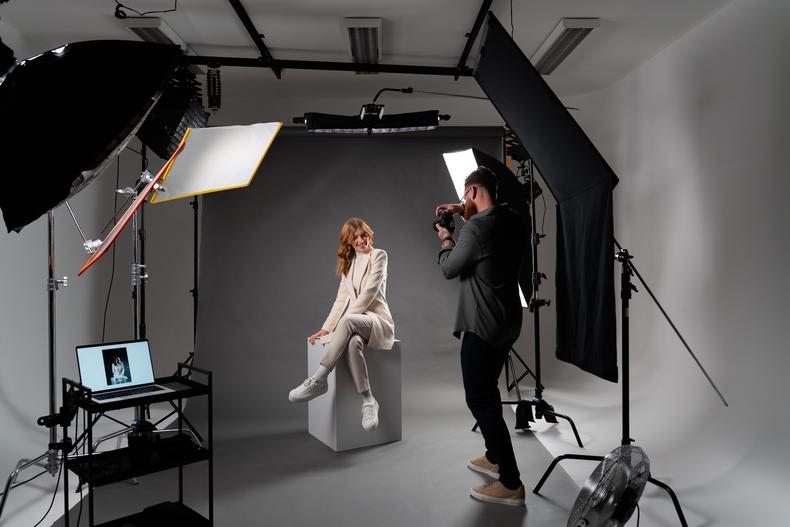
At a minimum, TFP shoots involve a model and photographer. Sometimes they also involve other creative professionals, such as makeup artists, hair or wardrobe stylists, and even production or photographer assistants.
To find the right team, identify and carefully research potential collaborators whose style you like and that matches your modelling goals. Scour their social media posts for past work and collaborations, and check out their online portfolios and bios to get an idea of their personality and approach.
Once you’ve found some you think would be good to approach, introduce yourself via email or direct message. Express what you specifically like about their work and your interest in collaborating, and include a few of your best images. Ask if they have any shoots planned or if they’re looking for collaborators.
Whether you’re leading a TFP shoot or jumping aboard someone else’s project, it needs careful planning and clear expectations for everyone involved.
Factor in potential costs such as studio and equipment rental, and establish who will pay for it. Look for ways to save money by using free resources, such as shooting in a free location like a park or at home. Have backup plans ready for unexpected events such as schedule changes, rainy weather, and transportation delays.
Treat it like paid work
It’s always important to behave professionally on shoots, even when you’re not paying for your collaborators’ time. It’s a small world, and how you behave can impact the reputation you create and whether other professionals will work with you again or recommend you.
Prepare as you would for a paid modelling job, with grooming and self-care. Stay hydrated, eat well, look after your skin, and try to get a good night’s sleep before the shoot. Practise posing to ensure that you achieve the desired outcome on the day.
During the shoot, be punctual, positive, and receptive to feedback. Contribute your own ideas when appropriate, and ask questions if directions aren’t clear. Trust and respect other professionals’ expertise regarding technical elements, and remember to thank everyone for their time and input.
1. Stay safe and comfortable. Don’t take risks with someone if you see any red flags. Research potential collaborators thoroughly, checking for consistent online portfolios and testimonials. You could always direct message people tagged in their photos for a reference or review. Bring a friend or relative to the shoot, especially if it’s in a private location or you’ll be shooting alone. Be sure to ask questions and be up front with your expectations for the shoot: How long will it be? What styles will you be expected to pose in? Is there any expectation of nudity?
2. Ensure clear communication. Open a dialogue with everyone involved before the shoot to discuss availability, capabilities, and aims, so everyone is on the same page. Whoever initiates or leads the project (usually the photographer) should outline the scope of the shoot. Mood boards and style sheets can help communicate ideas. Other considerations include the number of outfits to bring and what hair, makeup, and fashion styling will be available on the day. Negotiate beforehand what you’d like to receive in return, and be clear about what you’d like to achieve.
3. Draw up a contract or TFP agreement. It should include:
- The shoot idea
- Where and when it’s happening
- Expectations of all parties
- What each party is responsible for bringing (including wardrobe, catering, and makeup)
- A model release providing the terms of use of your images
- Image usage rights, including how many edited images will be produced, how long editing will take, and how the subsequent images can be used (images usually are for portfolios and social media promotion, and not to be used for commercial purposes without additional compensation or agreement)
Any changes to the agreement need the acknowledgment and signature of all parties.
Sharing the images on social media helps both the model and the photographer to have their work seen. Tag all contributors to ensure their visibility and credit photographers fully by tagging them in the photo and crediting them in any captions.
Understand realistic timelines for receiving images. Professional editing takes time – often a few weeks – but don’t be afraid to send a gentle reminder after the expected delivery date if you still haven’t received them or had no communication.
When you receive the images, review them carefully before selecting the strongest photos for your portfolio, online profiles and agency submissions. Don’t forget to credit the entire creative team when posting online.
It’s polite to follow up with a thank-you message to your collaborators.
TFP collaborations can be a valuable starting point in your modelling career, helping you gain experience while gathering professional-quality images.
Once you have more than a dozen strong, varied images and you have worked with various photographers and different styles, it’s time to think about finding paid modelling work. You may find opportunities through open casting calls, but securing a modelling agent can open doors to bigger brands while allowing you to hand over the admin of contracts and negotiations to whomever you sign with.
TFP collaborations can be a stepping stone to professional modelling. So long as you approach the shoots with the same professionalism, preparation, and clear communication needed for paid work, they can help you build your reputation and network.