If you’ve got the looks to work the camera and the idea of spending long days holding poses in front of a flashing lens appeals to you, you might be considering a career in modelling. But how do you become a model? Without any experience or connections, you might be struggling to find the door, let alone put your foot through it.
Luckily, modelling is one of the few jobs where you don’t need qualifications or training to succeed. Dedication, confidence, and practice are the main skills required. Depending on the type of modelling you want to get into, you don’t have to be traditionally good-looking or super tall, either.
From selecting your niche to building a portfolio and finding work, here’s a step-by-step guide on how to begin modelling with no experience.
1. Find your modelling niche
How you begin modelling will depend on what kind of model you are.
While you may long to launch your career on the runway, you may be more suited to commercial or body-parts modelling (such as hand modelling).
It often depends on your natural looks, your figure, and your height. For example, runway models tend to be tall, slim, and often have quite striking, unique facial features. Whereas a commercial model can be shorter and have more traditional good looks.
There also often tends to be a fair bit of crossover as well: For instance, many foot models are fashion or catalogue models with attractive feet.
2. Do your research
Do your research into the different types of modelling work, the requirements for each, and what the work typically involves. There is modelling work out there for all body shapes – including “real” models (models who look like everyday people), disability models, and plus-size and petite models.
Don’t feel like you have to try and change your body to fit into a pigeonhole dictated by industry norms. Stay true to yourself and find the niche that suits you.
3. Invest in some professional photos
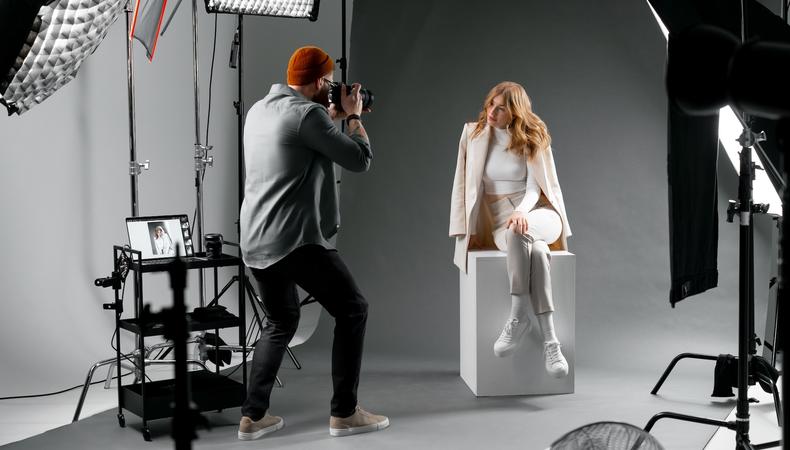
If you’re just starting out, you’ll need a professional photographer to take some shots of you to make you look like the real deal for potential clients. Search for a photographer whose experience is in the modelling niche you’re hoping to work in.
Before hiring anyone, have some chemistry chats with photographers whose work you like. If you’re nervous, take someone you trust with you on the shoot.
It’s worth bringing several outfit changes to the shoot, to show off your figure and versatile style.
4. Build a modelling portfolio
Your portfolio is like your modelling CV. It should highlight who you are as a model, your range of looks and your best work.
You’ll need to pick between 10–25 of your best shots for your portfolio. It’s good to have a variety of shots, especially if you’re just starting out, as this can show off your range to potential clients. These should include a headshot or portrait shot, a full-length shot, a black-and-white shot, a candid shot, and your very best shot. Make sure you have shots that highlight your natural beauty too, with minimal makeup.
5. Design a model comp card
You’ll need to make a comp card (like a calling card or business card) to share with agents, photographers, and other industry professionals at events. This generally has all your key information on it (contact details, hair and eye colour, measurements, and any notable modelling work you’ve done) as well as two or three of your very best photos.
6. Submit to modelling gigs
Search for open castings looking for models that match your description. Open castings are public adverts from casting directors, producers, and photographers looking for models.
All sorts of projects search for talent this way, from unpaid editorial submissions to well-paid commercial work. Read the details carefully, do some background checks, and make sure you tell someone you trust where you are going.
7. Get a modelling agent
Getting an agent is probably the most popular route into finding work as a model. Agency bookers are established within the industry and organise castings for their clients with the brands, photographers, and magazines in their network. They are also financially incentivised to find you paid work, as they take a percentage cut of your fee.
If you’re lucky, you might get scouted. Agency scouts tend to hang around shopping centres, festivals, and gigs searching for fresh, young faces for their books.
There are also model contests, such as the prestigious international modelling competition Elite Model Look. If you’re chosen to take part, this can give you a valuable insight into the world of fashion as a newbie, as well as a bit of a platform from which to start your modelling career.
Finally, you can apply to an agency by uploading your photos to their submission forms, or meeting bookers in person during an open call.
8. Utilise your transferable skills
If you’re already an actor, dancer, sports person, or influencer, your public-facing persona and back catalogue of professional photographs may give you a headstart.
And acting experience can be beneficial for TV commercials – which often cast models with experience delivering lines to camera. Dancing or sports skills are useful if you’re hoping to become a fitness model.
9. Take advantage of social media
Having a big social media following can put you in a strong position to find work. Search with tactical hashtags (#instamodels, #modelcallout), and don’t be afraid to direct message industry professionals if they encourage models to get in touch. Shout about the shoots you’ve done on your social profiles too – it’s a chance to get your work in front of agents or photographers who end up on your profile. A good-sized following can also help you leverage agency representation, or at least higher pay.
Don’t be discouraged by early rejections – modelling is a tough industry but can be rewarding if you stick at it. Good luck!