
Amid the noise of our increasingly digital world, the value of live events and the role of promotional models are growing. “The most valuable thing a brand can earn is no longer attention,” Shelley Elkins, the chief creative officer at NVE Experience Agency, told the Drum. “It’s participation.”
According to Forbes, 80% of companies have increased their experiential marketing spend. That means if you’re thinking about becoming a model and you’re outgoing, friendly, and an excellent communicator, then promo modelling could be a great facet of your career.
JUMP TO
Promotional models, often called promo models or brand ambassadors, represent brands at live events, exhibitions, retail activations, and marketing campaigns.
Most promotional model work is freelance and booked on a casual basis. Shifts can range from a few hours to several consecutive days, which means it can be well suited to students, actors, musicians, and other creative freelancers who need flexible work.
Promotional model jobs tend to be seasonal. Spring and summer are especially busy because of festivals, sporting events, and outdoor brand activations, while autumn typically sees another surge driven by corporate conferences, trade exhibitions, and business events.
Unlike high-fashion and other types of modelling, promotional modelling generally has relatively few physical barriers to entry. Strict height or size requirements are uncommon. Instead, agencies prioritise qualities that directly affect client experience: confidence, professionalism, clear communication, enthusiasm, reliability, and the legal right to work in the UK as a self-employed freelancer.
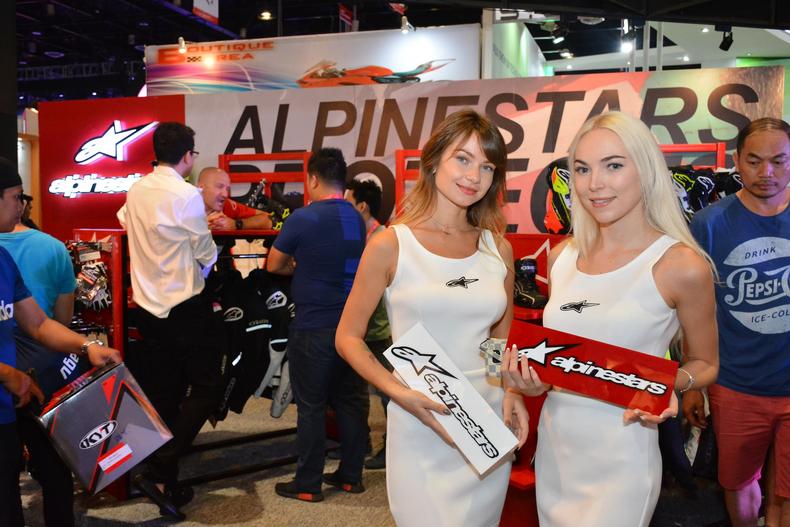
A promotional model’s role is to engage members of the public, answer questions, demonstrate products, and create positive first impressions that strengthen a brand’s image.
Corporate hospitality and exhibition work regularly takes place at major venues such as Excel London and the National Exhibition Centre in Birmingham, where promotional teams welcome delegates, register attendees, and support exhibitors.
Retail campaigns often involve product sampling on the high street or inside shopping centres, while summer brings opportunities at concerts and music festivals – or anywhere the target demographic may be congregating.
If you’re interested in gaming, you may find work at events such as EGX, while motorsport enthusiasts may pursue hospitality and grid work at Silverstone Circuit.
Credit: WE_Si/Shutterstock
1. Do your research.
One of the most exciting aspects of being a promo model is the range of work available. Before you take the plunge, it’s worth thinking about what kind of brands you’d like to work with. Do you love outdoor festivals or big corporate events? Are you more into cars and technology or lifestyle and food? It’s not essential, but you’ll have an easier time of it if you’re genuinely enthusiastic about the products you’re advertising.
2. Take your first digitals.
You don’t need to book an expensive professional photo shoot to be a promo model, but you will need a set of simple digital photographs. These are often referred to as “digitals” or “Polaroids.”
Ask a friend to photograph you against a plain, well-lit wall in natural daylight. Using your smartphone is fine. Include a smiling headshot, a profile view, and a full-length image. Wear simple, form-fitting clothing in neutral colours with minimal accessories and makeup. Agencies want an honest representation of what you look like so clients can confidently book you for campaigns.
3. Measure your stats.
Carefully measure your height, chest or bust, waist, hips, dress size, and shoe size. Remember to keep those details updated if they change. Resist the temptation to round your measurements up or down.
Agencies often need to order branded uniforms before events, which means incorrect information creates problems for both clients and event organisers. Honest, accurate information means you’re more likely to be booked again.
4. Write your CV.
If you don’t have any previous promo modelling experience, include transferable skills. Customer service, retail, hospitality, acting, presenting, sales, events, and any public-facing roles all demonstrate the communication skills that are essential to being a good promotional model.
Alongside your CV, create a simple one-page comp card. Include your strongest digital photo, your measurements, your contact details, and a brief summary of your experience. That gives agencies and clients an easy reference document when considering you for bookings.
5. Build your social following.
It’s not essential, but having a significant social media following could give you the edge over the competition. Make sure your social account reflects the type of work you want and shows you off as approachable and friendly.
6. Approach promo agencies.
There are plenty of promo model agencies across the UK, from Varii Promotions in London to Pulse Agency in Liverpool. Research agencies carefully, read reviews when possible, and complete applications thoroughly. Be cautious of scams. Legitimate UK promotional model agencies earn their income by placing talent with clients, for which they earn commission, not by charging applicants up-front registration or membership fees. If an agency insists on payment before offering work, treat it as a warning sign.
7. Prepare for digital castings.
Some promo model castings happen online. Instead of attending in-person auditions, you may be asked to submit a 60-second introduction video, complete a self-tape, or join a short Zoom interview.
Practise presenting yourself as energetic, approachable, and articulate. Introduce yourself clearly, explain any relevant customer-facing experience and demonstrate genuine enthusiasm for representing brands. Make a strong impression with good lighting, clear audio, and eye contact with the camera.
8. Register as a sole trader.
Promotional model work is freelance, so you’ll need to manage your finances accordingly. You’re responsible for registering for self-assessment with HMRC (if required), keeping records of your income, and paying any tax you owe.
It’s also a good idea to track legitimate business expenses, including work-related travel, basic uniform items, and other allowable costs, such as food.
9. Start applying.
Once you’re ready, start applying through agency portals and jobs platforms that advertise promotional model jobs. Don’t be discouraged if your first few applications are unsuccessful. Agencies often build databases before matching talent with suitable campaigns.
10. Be professional.
The UK promotional industry is surprisingly close-knit, and word travels quickly. Arrive early for your promotional model jobs and maintain positive energy throughout long shifts. Avoid cancelling bookings at the last minute unless it’s absolutely unavoidable.
Many promotional models are successful because clients know they are dependable, enthusiastic, and easy to work with. In an industry built on relationships, reliability can be your greatest competitive advantage.