What makes people laugh? It’s a question with a thousand answers. Comedy comes in all forms. It may arrive in an expertly timed one-liner, an awkward silence that lasts exactly the right amount of time, or a spectacular banana-skin fall that everyone sees coming and yet sends the room into fits of giggles anyway. If you’re an actor or comedian, understanding what makes people laugh is key to developing your craft. Especially if you want to be properly funny.
Here are some techniques to explore to make you an even better performer, bound to get the room ROFLing.
1. Dark humour
Dark humour is basically laughing at things you shouldn’t really be laughing at – topics such as trauma, violence, and death. It may involve some careful planning, particularly if you’re writing the material yourself. “It is generally something nasty, haunting, or horrible and provocative,” according to comedy duo Lady Bolognese.
Andrew White, whose latest hour of comedy, What a Life!, centred on the deaths of some of his family and friends, agrees. “Dark humour is the use of taboo subjects as a punchline, getting laughs from the shock of the ‘unsayable’ thing” he says. “This can also be effective in grabbing the audience’s attention. If the joke is funny enough, there is an extra layer of satisfaction in overcoming the audience’s sensitivities to get a laugh before they can worry about whether it is OK to laugh at.”
Often, the humour walks the line between being deeply uncomfortable and very funny. For actors and comedians, that means the most important thing is establishing a relationship with the audience. If you’re joking about death, they want to be able to feel as though they can laugh.
2. Slapstick
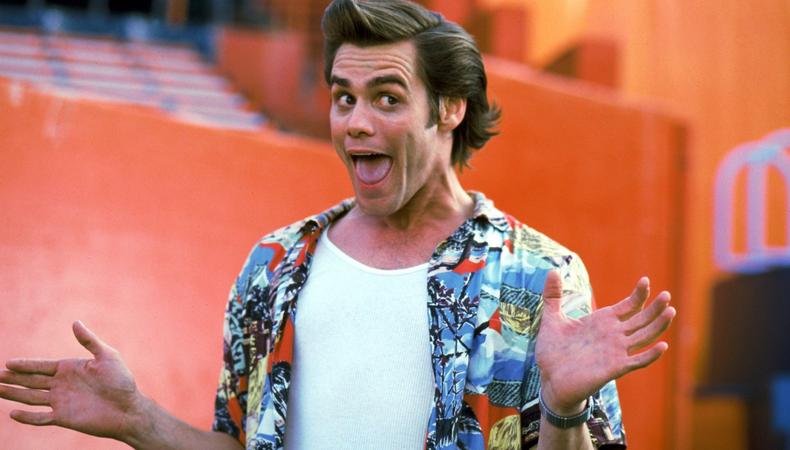
Slapstick lives or dies on its performer’s physicality. Think slipping on a banana skin, tripping over your own feet, or walking into a glass door. It’s all about exaggerated physical actions, mishaps, and visual gags that make an audience laugh without words.
Timing is everything. Look at the work of Charlie Chaplin, Jim Carrey, and the Chuckle Brothers to see slapstick at its best. The best scenes often come when the comedians seem genuinely surprised by their own behaviour, so the trick is making a pratfall look like it’s happening in the moment – rather than something that has taken preparation!
3. Character comedy
For actors, character comedy is a brilliant form of humour to get to grips with, because it uses many of the same skills as acting. “Character comedy is a broad church, and can look like anything from super-realised, naturalistic people to surreal live cartoons,” says character comedian Jonathan Oldfield, who is also a trained actor. “Character comedy is all about being funny as yourself by pretending to be someone else. By changing aspects of themselves (voice, job, costume, etc.), character comedians connect with an audience in a way they wouldn’t be able to otherwise.”
For Lady Bolognese, “even if it’s totally nuts, really strange stuff, there’s kind of a sense that [these characters are] real and you’re immersed. You inhabit a different physicality, voice, and mannerisms.”
The key is creating a character who feels like a real person, with their own eccentric quirks, opinions, and way of seeing the world. Whether you’re playing an overconfident life coach or an eccentric neighbour with far too much to say, the comedy often comes from taking that character seriously.
4. Observational humour
Observational humour, according to Chortle, is the country’s leading form of comedy. It finds humour in the everyday. Perhaps comedians will joke about how people go about their lives or how parents act around other parents at the playground. Comedian Harry Jenkins advises others who are writing observational sets to “put themselves in the material, [as that] is the difference between being funny down the pub or at a dinner party and being funny onstage.” Lots of comedians lean toward observational comedy, including Kevin Bridges, Sarah Millican, and James Acaster. Actors can also use it in their work by drawing on the mannerisms, habits, and behaviours of people they have encountered in real life.
5. Political humour
This is the type of comedy you’ll find on shows such as Have I Got News for You and The News Quiz. Comedians who write political material use humour to explore the state of society (both past and present), politics, and the people who work in government and the media. They may satirise politicians, poke fun at current affairs, or use irony to expose the absurdities of the political system. Comedians such as Mark Thomas and Nish Kumar use it heavily in their work, but it can also be a useful skill for actors playing politicians to develop. The casts of SNL and SNL UK both regularly use political satire in their sketches, often impersonating politicians and exaggerating their mannerisms, speech patterns, and public personas for comic effect, like this sketch featuring US President Donald Trump and New York City Mayor Zohran Mamdani or this one of ex-Prime Minister Keir Starmer.
6. Absurdist humour
Absurdist humour finds comedy in the bizarre. It involves surreal situations, nonsensical dialogue, or characters behaving in ways that defy the rules of the real world. Rather than relying on relatable experiences or a conventional punchline, it makes people laugh by subverting their expectations. Think The Mighty Boosh or Joe Kent-Walters as Frankie Monroe. It often overlaps with character comedy and can lean into the tantalisingly ridiculous.