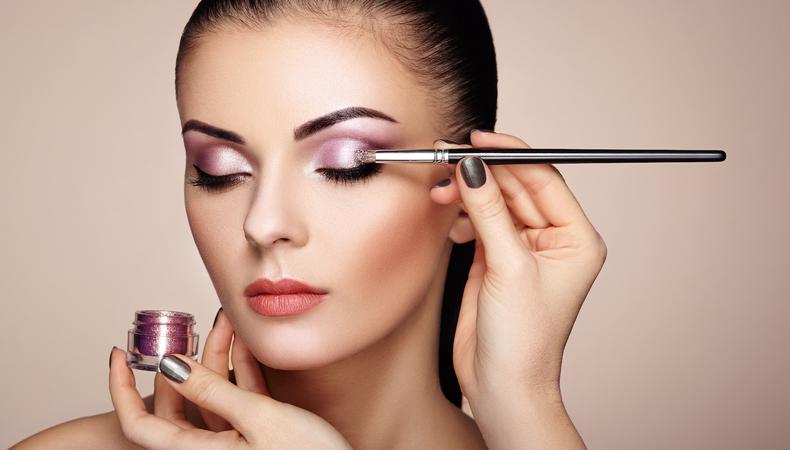
A growing niche in the modelling world is that of user-generated content centred around fashion and beauty, such as models trying a cosmetics brand at home. Those taking on that type of work often go beyond professional photo shoots and advertising to promote products on social media and at events.
In today’s digital world, a good beauty and makeup model can elevate a brand’s visibility in a crowded marketplace to connect with audiences.
Here’s how the industry works and the steps you need to take to get into this type of modelling.
JUMP TO
Jacob Lund/Shutterstock
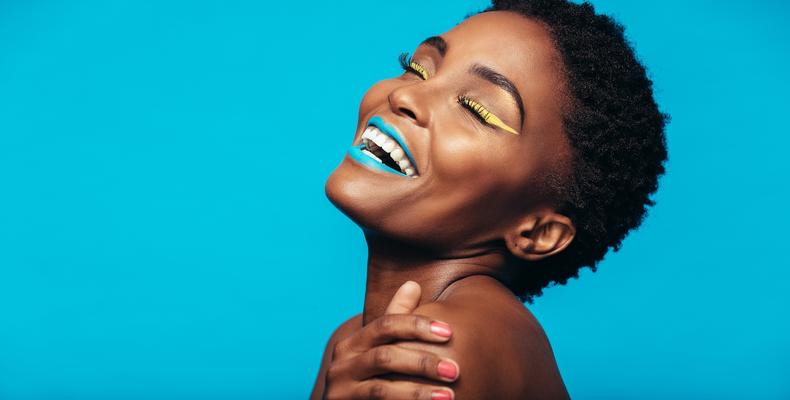
Face modelling, also known as beauty, cosmetic, or makeup modelling, is about using your face as a canvas to promote a product or brand, typically in the beauty industry.
Face modelling isn’t just about physical appearance or being photogenic, but being able to express a range of emotions and characteristics that can be captured in close-up shots.
“Key attributes for makeup and beauty modelling would be perfect skin, experience, knowing your angles, and an ability to connect with the camera and communicate with eyes,” says Kristina Compagnino, founder of Australian Academy of Modelling, which provides education and opportunities in the industry.
Like the wider modelling industry, brands are increasingly more inclusive when it comes to casting models with unique qualities, not just symmetrical facial features.
“From what I have seen in advertisements for makeup and beauty work in Australia, I have noticed a lot of diversity of models – various ages, ethnicities, and sizes,” Compagnino says.
And since beauty photo shoots home in on the head, unlike catwalk modelling, there are no height restrictions for face or makeup models.
Like the rest of the industry, however, it is competitive – and physical appearance is essential. Beauty models often benefit from having flawless skin, good bone structure, and a symmetrical face with even features – even if “real”-looking models are also sought after.
“Top tips I would give to someone looking for this type of modelling work would be to invest in their skin. It is our largest organ - that is from the inside out,” Compagnino says. “Nourish the body with healthy foods and stay hydrated. [I’d advise them] not to follow beauty trends, but to seek professional and personalised advice in regards to skin treatments and skin care to improve and upkeep the glow.”
Most importantly, you need to be able to express different emotions easily, feel confident in your own skin, have a professional work ethic (an important component of all types of modelling), and know how to showcase your personality. Being resilient and business-savvy are just as important as looks and knowing how to pose if you want to maintain a modelling career.
When attending casting calls, remember that they want to see your natural beauty, so don’t overdo it on the makeup.
Ekaterina Jurkova/Shutterstock
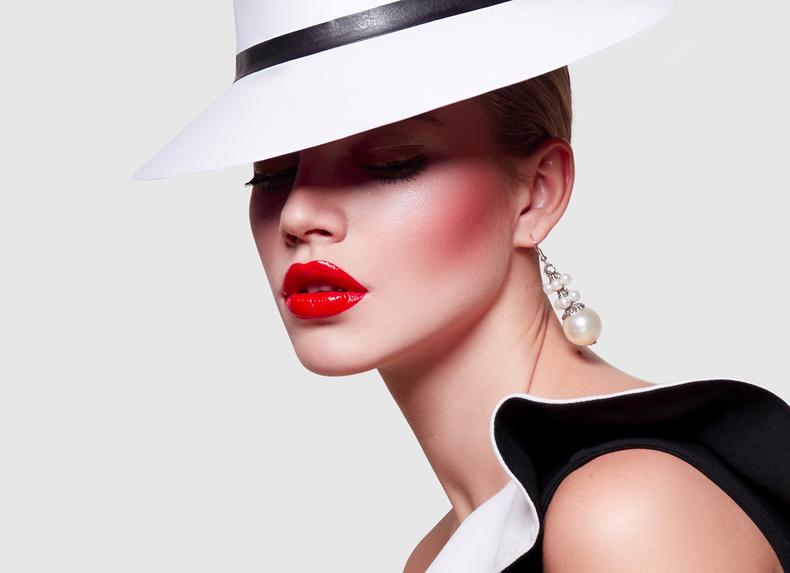
Even if you are blessed with natural good looks, you need to take care of yourself – inside and out.
Look after yourself
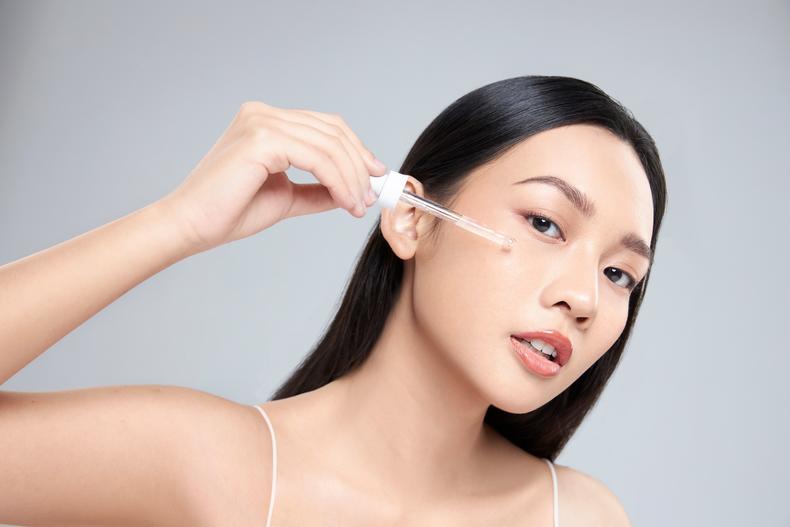
- Have an excellent skin-care routine to keep it clear and glowing. Have a regular cleansing and moisturising regimen, do facials and other treatments, drink enough water, and eat a healthy, balanced diet.
- Don’t forget small details such as keeping your nails manicured and eyebrows groomed, and develop a good hair-care routine with regular trims, conditioning treatments, and root touch-ups. Your hands and hair may well be visible in product shoots.
- Look after your mental and emotional health. It may sound cheesy, but how you look on the inside can show on the outside. You will be judged on both how you look and your attitude, so build your self-confidence to handle any setbacks or rejection.
Know how to pose and build a portfolio
As with all types of modelling, you need a great portfolio that showcases your distinct qualities and versatility, plus headshots that show your versatility with different kinds of looks.
You don’t need to have prior modelling experience. Start by practising at home in front of the mirror with a phone or camera to understand the angles of your face, lighting, and bone structure. Use that experience to develop your look and pinpoint the right niche for your personal brand.
Then create a high-quality portfolio. Ideally, book in with a photography studio (one that has experience working specifically with models) so you can practise being in front of the camera and have some professional photos to get you going.
You can also start with images taken on a digital camera or high-quality phone camera, either using a tripod or calling on a friend with photography skills.
Get an agent and network
Take your time to research reputable modelling agencies, and don’t rush into or feel pressured into signing with one. Make sure you check:
- How often the agency charges fees and what they charge
- Whether they charge for auditions
- What model types the agency specialises in and the type of gigs they normally get, and then focus on agents who represent models whose careers you aspire to emulate
Networking is key if you are new to the industry and don’t have prior connections. Volunteer for beauty school tutorials, attend industry casting calls for companies like Mecca, and build your social media presence to increase your chances of being scouted by an agency.
There is such a thing as too good to be true. If something doesn’t seem quite right or if you feel uncomfortable, trust your instinct and stay safe.
When speaking to agencies or freelance photographers you don’t already know, check if they are legitimate and have a good reputation in the modelling industry (look at online reviews, ask trusted contacts in the industry, and do your research). Steer clear of agencies that ask for up-front fees, because they should take commissions only once they book you work.
If you are starting out, it’s fine to work for free or for low rates in order to get experience. Those jobs will still give you something for your portfolio.
In Australia, models generally make anywhere from AU $95 an hour (as a beginner) to AU $350 an hour for those who are more experienced. The rates for makeup models typically sit within that range and depend on experience and the type of work. A high-end brand campaign may pay really well, while a makeup artist looking to hire a freelance makeup model will likely pay around AU $75 to $100 per hour.
Pay depends on the type and amount of work you are hired for, and it can vary widely based on different projects, clients, and budgets; your experience, portfolio, and profile; and where you are based, with higher rates in cities such as Melbourne and Sydney compared to regional locations.
If you are just starting out, expect to take on gigs for free or lower rates in order to build up your portfolio and gradually increase your rates as you gain experience. For those assignments, models can get paid in “trade,” accepting free products such as makeup and skin-care items as payment.
More experienced models can earn a lot of money. Those working with well-known brands or in major fashion markets may earn thousands per day.
Minh Mi Goi/Shutterstock
“To look for work, models can either seek representation with agencies and their bookers will put them forward for jobs and castings, or freelance, in which case there are various platforms where models and other creatives can apply for listed industry opportunities,” Compagnino says.
Being signed to an agency can help provide steady work, but you’ll need to pay them a commission (normally 10% to 20%). It can also be competitive to get an agent, especially major ones.
If you choose to work freelance, you will need to source your own work. It can be tough, but it may be a great option to help you hit the ground running when starting out.
A large portion of opportunities for makeup models come from the commercial sector, while social media has created many more ways in which models can collaborate with brands, promote themselves, and find work.
Building a strong online presence is key, and most models have more than one income stream. The most successful models, whatever niche, have their own engaged audience and a recognisable personal brand. Success stories include Meika Woollard, who began modelling when she was just 3 years old and went on to become a face of campaigns for Covergirl and appear on the 100 Most Beautiful Faces list, and Duckie Thot, who became a face of Fenty Beauty. Both have strong presences on Instagram, proudly posting about their brand partnerships – and probably ensuring more come in as a result.
Many models also pursue acting in commercials, TV, and film. If that appeals to you, stay updated on the latest industry trends and look for ways you can add to your skill set, such as taking acting lessons or learning to sing and dance.
The modelling industry is tough, fierce, and competitive. It requires hard work and dedication, as well as physical and mental strength. It’s important to have a thick skin, a healthy lifestyle, an enthusiasm for learning, and a close support network to help you manage the business of modelling.
Be strategic in the opportunities you select, and focus on partnerships and projects that align with your own personal brand and values.