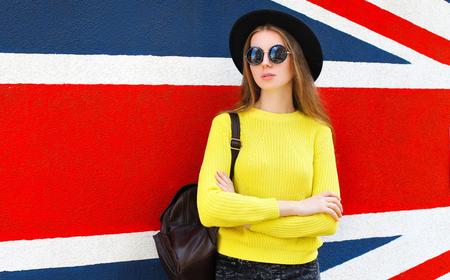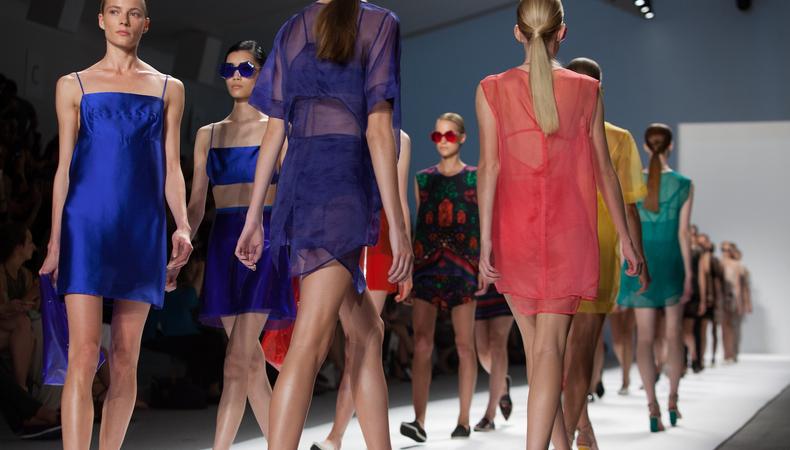
Models are known to be tall, with an average height just over 5 feet, 9 inches. Those who don’t fall in a strict height range (between 5 feet, 8 inches and 5 feet, 11 inches for women and 5 feet, 11 inches and 6 feet, 2 inches for men, according to the British Association of Model Agents) are rarely considered for high fashion editorial and catwalk modelling.
Although there are typical industry standards for model height in certain types of modelling, such as high fashion, there are now more opportunities to find modelling gigs seeking a diverse range of looks with no height requirements at all.
Let’s take a look at the long and short of it.
JUMP TO
Height requirements depend on the type of modelling you are pursuing. Although it can be an important factor, you don’t always have to be really tall – or even above average – to get modelling work.
Where did the expectation for towering models come from? When we think of modelling, we are most familiar with supermodels walking the runway or shooting for editorials wearing high-end fashion pieces.
That specific genre of modelling is highly lucrative, and also somewhat restrictive in the height requirements that are demanded (not to mention age and measurement standards).
Taller models became the norm for runway modelling, since it was argued that the clothing made for those shows (at which designers debut their new fashion collections) typically are one-off pieces that come only in a sample size.
In recent years, however, high-end fashion has begun to embrace more diverse and unique looks, shapes, and sizes. The emergence of high-profile plus-size supermodels such as Ashley Graham, for example, defies restrictive industry standards. Many well-known modelling agencies have expanded to include a plus-size division – although in the fashion world, “plus size” means size 12 and up.
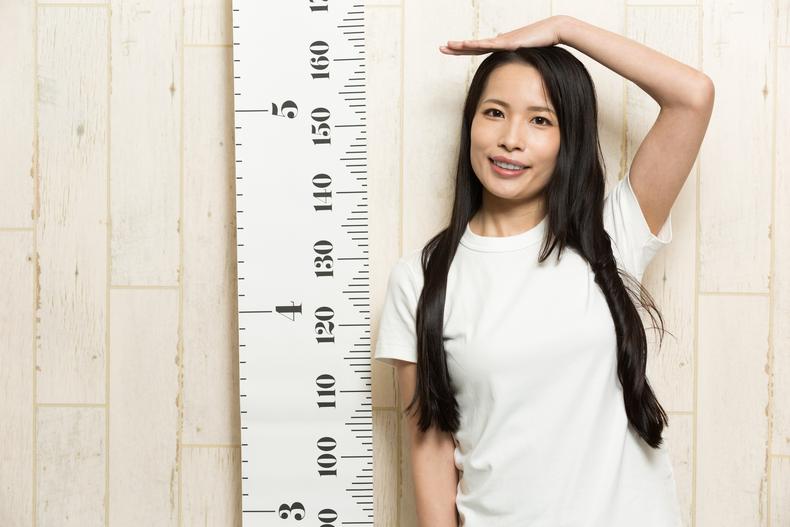
Even for plus-size high-fashion models, however, height is an important factor. If you enter that genre of modelling, you are still expected to be at least 5 feet, 8 inches tall.
kei907/Shutterstock
If you think you may be too short for the catwalk, there are plenty of other modelling niches that welcome a diversity of heights, shapes, sizes, and ethnicities. There’s work out there for all sorts of models, from those covered with tattoos to mature talent. It’s all about recognising and playing to your strengths.
One area to explore is commercial modelling, which focuses on selling a lifestyle product or concept, such as perfumes or financial services. That type of modelling is more about having an engaging personality and physical features, such as a great smile, expressive eyes, and a healthy body, than meeting a specific height requirement. It’s still worth noting, however, that women are expected to be in the range of 5 feet, 6 inches to 5 feet, 11 inches, and men are expected to be between 5 feet, 9 inches and 6 feet, 2 inches.
There are plenty of types of modelling in which height requirements differ or don’t apply at all, including mature modelling (which typically has an age range of 40 to 80 years) and petite modelling (for which you normally need to be 5 feet, 7 inches or under). There typically aren’t height requirements for swimwear and lingerie modelling, either, but those models often are expected to be petite, lean, and toned.
You could also look at becoming a fit model, where you’ll be responsible for trying on clothing to provide “real body” fittings for retail manufacturers. That type of modelling demands a variety of body shapes and measurements. Body-part modelling, in which you model specific body parts, such as hands or feet, also has no height requirements.
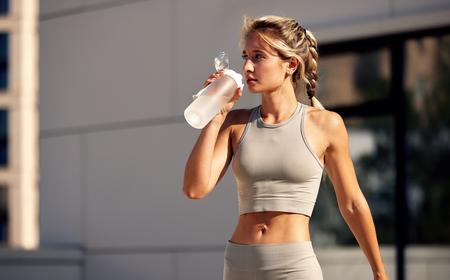
Another growing area is fitness modelling, which focuses less on height and more on specific physique requirements. Typical model heights are around 5 feet, 6 inches for women and 6 feet for men.
Even if you don’t meet the specific requirements of high-end fashion – and most people don’t – that doesn’t mean agencies won’t make an exception and you can’t walk the runway at all. After all, fashion is constantly evolving.
Regardless of height, other key attributes that lead to success in the modelling industry are striking features, appealing looks, and a radiant personality.
It’s all about understanding and embracing what you offer, since that’s what will set you apart from other models and help you find work – no matter how tall you are.