
Have you secretly wanted to try your hand at modelling, but convinced yourself you’ve left it too late? Modelling is traditionally considered a young person’s game, but the industry has shifted in recent years. There’s now a growing demand for models of all ages.
It’s no surprise that people think modelling is only for the young. For decades, the industry had a reputation for favouring youth above everything else. Fresh-faced teenagers dominated catwalks, advertising campaigns, and magazine covers, and if you hadn’t been scouted by the age of 16, it often felt as though your chance had gone. But as UK Models confirms: “There is no specific age to be a model. The sooner you start, the more chances you have to meet more people in the industry, to be able to start as a model, and climb up the ladder.... However, you can also start at a later age!”
Age still matters for many types of modelling. Runways and the editorial pages of fashion magazines continue to be dominated by youthful models, while commercial modelling will always depend on talent looking like the target demographic of the products being advertised. But it’s far less important than it once was. In this guide, we’ll explain what counts as “old” in the modelling world and which types of modelling are most accessible if you’re starting later
JUMP TO
Credit: PeopleImages/Shutterstock
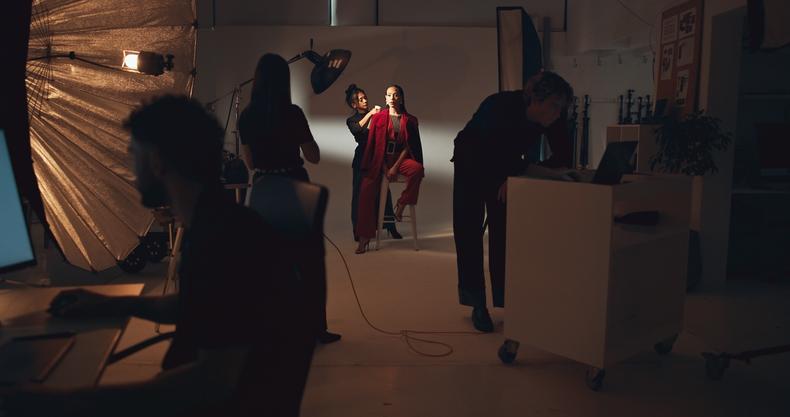
It depends on what sort of modelling you’re talking about. High-fashion runway modelling still tends to recruit younger talent, and many catwalk models begin their careers between the age of 16 and their early 20s. “Sixteen is a good age to start,” Carol White, director of Premier, one of the country’s leading modelling agencies, told the Guardian. “[But] 17 is the perfect age for a model, because most girls feel comfortable in themselves by then; 18 is good, too, though, because then all their schooling is out of the way.”
But that’s only one small corner of an enormous industry. Commercial modelling, the side of the business you’ll see in TV adverts, catalogues, and as the face of lifestyle brands, has much broader age requirements. “Because commercial models represent the world at large, including young children and older people, the commercial modelling world welcomes all ages,” writes digital lesson platform MasterClass.
What counts as “too old” in fashion modelling is very much not the case in the commercial branch of the industry. “Age is never a barrier in commercial modelling,” explains Models Direct. “It’s an industry reliant on the diversity of marketing campaigns, meaning that brands always need models of various ages.”
In short, yes. “A lot of the time, brands are specifically going to be looking for models beyond the age of 30, who are more in the commercial and lifestyle space,” says model Kamla Kay. Some of the most common modelling gigs for mature talent include:
- Supermarket ads
- Television ads
- Clothing catalogues
- Skin-care and beauty campaigns
- Health-care ads
- Travel shoots
- Corporate photography
- Family ads
Many of these jobs value warmth and confidence. “You don’t need to be a certain height or dress size,” Jemima Mason writes for modelling agency Sandra Reynolds. “Commercial models come in all ages, sizes, backgrounds, and styles. It’s about relatability, believability, and being able to connect with an audience.”
Credit: Daniel Megias/Shutterstock
The days of one-size-fits-all beauty standards are slowly fading.
Commercial clients want distinctive, expressive faces. Freckles, grey hair, laugh lines, and character are seen as assets. “Confidence, personality, and presence are often more valuable than inches,” according to Choice Model Management. “One of the most powerful movements in modelling right now is inclusion.”
That means no matter what you look like, you have a good shot of becoming a model if it’s your dream.
If you’re serious about modelling, approach it with confidence and a plan. Invest in simple, natural photographs that clearly show your face. “You don’t need editorial experience or catwalk training,” Mason writes. “You just need to be comfortable being yourself on camera.”
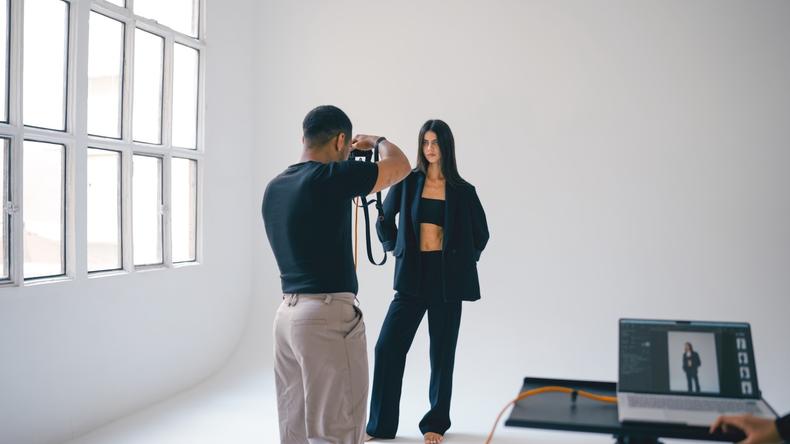
Eventually you’ll want to build a modelling portfolio, but having a few well-lit headshots and full-body shots taken against a plain background is a good place to start. The agency also recommends having “professionalism on set” and “a versatile, relatable look.”
Research reputable agencies with mature divisions and always keep your eyes out for new casting opportunities. “A commercial modelling agency or model management company can help you find professional work,” adds MasterClass. Keep your portfolio up to date (once you have one) and don’t be discouraged if you don’t land jobs immediately. Remember: Rejection is part of the job at every age.