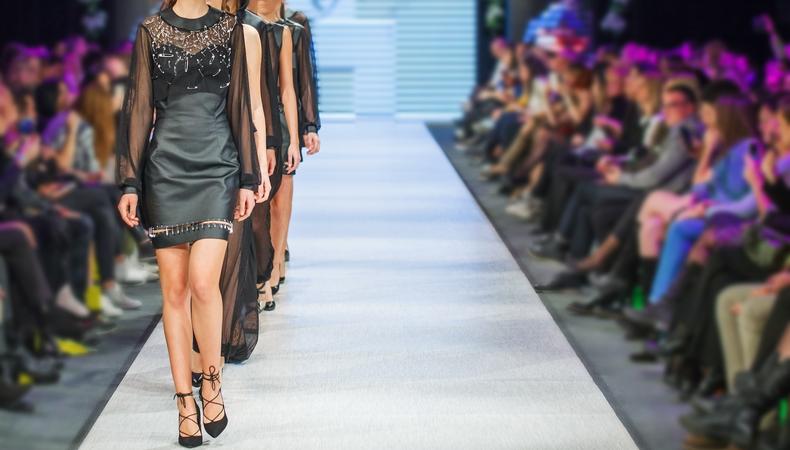
Runway models embody everything people love about high fashion: glamour, attitude, grace, and drama. Also known as catwalk modelling, it’s a chance to be in the limelight and showcase the season’s latest.
The UK is known for its innovative, up-and-coming designers, and it’s home to a number of exciting fashion events – including the prestigious London Fashion Week – which makes it a great place for anyone looking to become a runway model.
Breaking into runway fashion modelling takes more than just the right look – it requires discipline, determination, and a clear strategy.
Some people were born to run, but maybe you were born to strut? Find out how to become a runway model in the UK with our step-by-step guide.
1. Understand the job.
A runway model showcases clothes and accessories during live fashion shows or presentations, most famously in the UK during London Fashion Week.
Unlike several other types of models who pose for photographs, runway models must display garments in motion, following choreography and stage directions. Their job is to make the designer’s vision a reality, exude confidence, and stay composed under bright lights and in front of an audience.
2. Assess your look.
Runway modelling traditionally has specific physical criteria. Most high-fashion agencies in the UK look for tall (women tend to be at least 5 feet, 9 inches and men 6 feet to 6 feet, 5 inches), slim (dress size 6), and young talent.
Those standards are still common, but there is far more awareness of the need for more inclusivity. Vogue Business runs a yearly report that holds designers accountable for their model choices.
The UK industry is making space for more diversity, particularly among emerging, more progressive talent. During the 2024 fashion weeks, London was the most size-inclusive.
You don’t necessarily have to fit the traditional mould, but it’s worth knowing the traditional model runway look.
3. Work on your walk.
Strut, stomp, or stride? The runway walk is an essential part of a catwalk model’s craft. Having your own unique flair can help you stand out.
Watch fashion shows and take note of the gait and expressions of professional runway models. Try copying them at home using a long hallway with a mirror at the end. Filming your practises can help too.
There’s also the option to take runway classes at a school like London Model Academy and attend workshops for live feedback.
4. Build a strong portfolio.
Your walk is important, but you also need a strong portfolio of images.
Make sure you have headshots, full-body shots, and natural photos without heavy makeup and in form-fitting clothes to show your proportions, alongside professional editorial-style fashion shots. At the beginning, you can collaborate with student photographers or participate in test shoots known as time for print (TFP) to build your portfolio at a low cost.
Be aware that up-to-date bikini shots are sometimes required by potential clients.
5. Apply to a top modelling agency.
In the UK, most successful runway models – those who walk in Fashion Weeks for big-name brands – are signed to agencies.
Agencies act as intermediaries between models and clients, negotiating jobs, helping talent develop a personal brand, and offering guidance. The clients you’ll be exposed to are often a reflection of your agency’s reputation and the quality of your booker.
When applying, check the agency’s website for application instructions – and never pay up-front fees. Legitimate agencies make money through commissions, taking a small percentage of the model’s fee, not sign-up charges.
6. Attend open calls and castings.
Access to top-tier brands is closely guarded by hard-to-reach casting directors, but you can still get experience and potentially get scouted by landing a catwalk gig from an open casting.
Keep an eye on open casting calls for runway models ahead of events such as London Fashion Week, the Good Clothes Show in Manchester, and Edinburgh Style, as well as regional events such as Birmingham Fashion Week.
Make sure you wear minimal makeup and simple, form-fitting clothes (such as skinny jeans and a tight top), and bring your model comp card and portfolio if you have one.
7. Practise self-care.
The pressure of runway modelling – and even just attending the multitude of castings ahead of a fashion event – can be intense. Long hours, frequent travel, and strict image standards can take a toll. Your mental health is as important as your physical health.
Try to eat a balanced diet and get enough rest to keep your energy levels up. That will also help your skin and hair look their best.
Rejection is common in all types of modelling, but it’s especially prevalent in runway modelling, with its often strict size requirements and focus on sample-size clothing. Be ready to develop resilience and build a strong support network.
8. Use social media to your advantage.
Many UK models increase their profile through platforms such as Instagram and TikTok. Think of Molly-Mae Hague and James Yates.
You can curate your online presence by posting high-quality images from shoots (if approved by the photographer and client), castings, and shows, as well as sharing behind-the-scenes glimpses of your journey.
Network with photographers, stylists, and other models, and use relevant hashtags (#UKModel, #RunwayModel, #LFW) to help your pictures surface. Keep it professional, though, and avoid content that may harm your brand or deter agencies.
9. Stay one step ahead.
Fashion changes constantly, and it’s important to stay updated on current trends. Keep a close eye on designers and brands making waves in London and beyond.
It’s also worth staying abreast of which agencies are seeking new faces. Usually they’ll post callouts on their social media channels. Watch fashion shows, subscribe to top fashion magazines, and follow industry news online. The more knowledgeable you are, the better equipped you’ll be to navigate the path in.