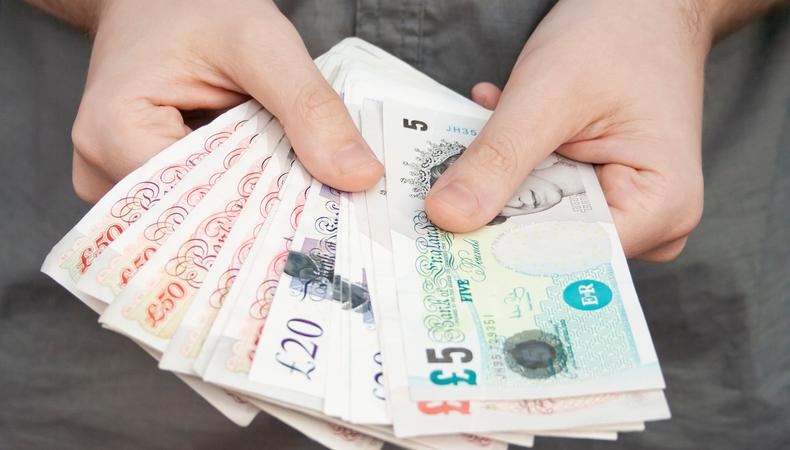
It’s not many people’s favourite topic, especially not artists. But how much you’ll be paid as an actor is one of the most important things to consider if you want to carve out a sustainable, liveable income doing what you love.
How Can I Make It as an Actor in the UK?
We won’t sugarcoat things: Unless you’re in the tiny percentage of Daniel Craigs and Kate Winslets, it’s unlikely your career choice will make you stinking rich. Back in 2019, the Guardian highlighted a study by Queen Mary University of London that showed when looking exclusively at earnings from acting work, “only 2% of actors make a living from the profession, and 90% are out of [performance] work at any one time.”
It’s a notoriously tough profession, but it is possible to earn a steady living as an actor while supplementing your acting income with other work—even if it means hustling on the side doing things like trade shows, medical role-playing, or performing at parties or private events. And hey, you might end up circling back to these side hustles once your name is in lights. After all, star actor Ryan Reynolds has famously owned both a gin brand and a Welsh football club.
JUMP TO
Sampajano_Anizza/Shutterstock
It’s tricky to be exact about how much money actors in the UK make on average because earnings can be very different year on year. According to Equity, 97% of its members earned up to £43,000 a year in 2021. British job boards like Pay Scale and Indeed suggest the average pay for an actor in the UK is between £10 and £15 per hour. A 2018 survey by Mandy showed that 68% of actors, dancers, and musicians made less than £5,000 over 12 months, forcing 66% to take on at least one additional job to survive.
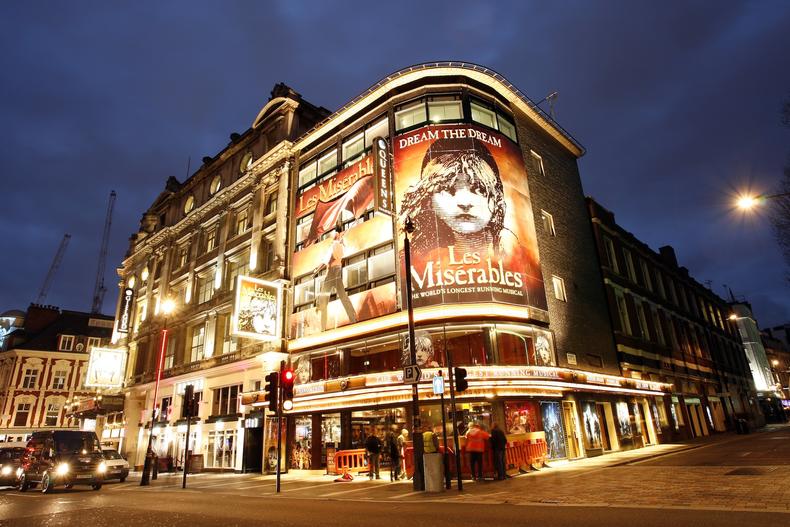
It’s easy to see why it’s necessary for bodies like Equity and the Society of London Theatre (SOLT) to negotiate minimum rates of pay with producers. A 2018 What’s On Stage article stated that the SOLT/UK Equity minimum weekly wage for actors in venues with a capacity of over 1,100 seats was £695. This amount fell to £632 for theatres with 800 to 1,099 seats and £569 for theatres with up to 799 seats.
How much theatre actors get paid in the UK also depends on the size and scale of the production, with West End productions paying the most. SOLT and UK Equity rates for the West End start at £712 for an eight-show week in a 1,100-seat venue. A bit more dosh can be made for doing a bit of extra work within a production you’re already part of, like being a swing, an understudy, a standby, or a dance captain.
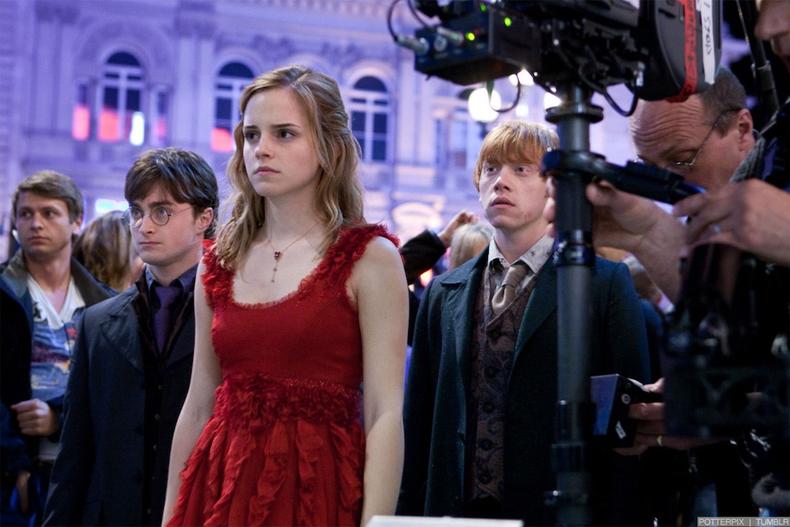
“Harry Potter and the Deathly Hallows - Part I” Behind the scenes Courtesy Warner Bros.
As with theatre, most British TV and film projects are made under a union agreement, with pay rates negotiated by the relevant bodies. That said, there isn’t much data out there about how much TV and film actors get paid in the UK. Rates are often kept under wraps, and there are loads of variables to consider, including the production’s budget and scale.
TV presenters and soap stars are among those making the highest incomes, thanks to their long work hours and the frequency of their shows. At the top end of the scale are presenters like Graham Norton, whose pay was listed at £850,000 in a 2021 BBC report. Similarly, David Tennant was reportedly paid around £83,000 per episode for three seasons of Doctor Who, which is likely to have been influenced by the scale of the show, the size of its audience, and Tennant’s reputation. By contrast, supporting roles in low-budget series might start at just a few hundred pounds per day.
Film salaries likewise depend on several different factors, most significantly the production’s budget. Generally, the bigger the budget, the more an actor has the potential to earn. For example, the minimum daily rate for a film with a budget of £3 million or more is £558, while a £1 million production has a minimum pay rate of £220. An actor’s profile and the size of the role also play a part in determining how much they’re paid.
Salvador Aznar/Shutterstock
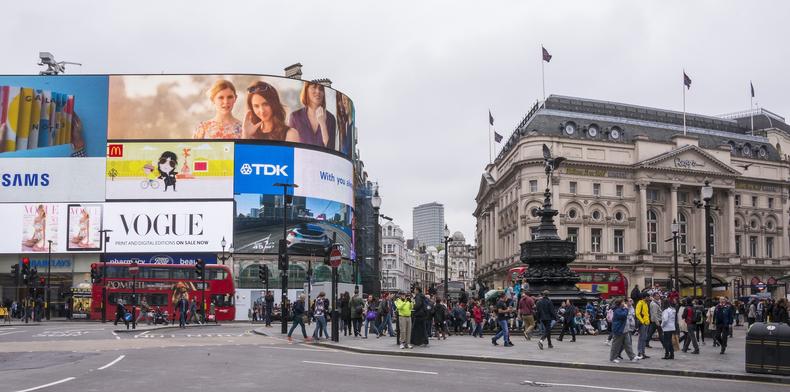
Adverts can land actors a nice lump sum, especially if there’s a buyout involved. A buyout is a one-off payment for all usage rights over a specific period of time—for example, £1,000 for two years of UK usage. Bear in mind that if the advert ends up running for longer than the time frame covered by the buyout, actors will essentially stop being paid for the broadcast of their work. Take a close look at the usage rights in your contract to understand what you’ll be paid for beyond the original run.

Featureflash Photo Agency/Shutterstock
In short, yes. But many actors pick up other work on the side, like teaching, writing, directing, and producing, to keep their creative juices flowing while they’re between acting jobs.
Extra income can also be earned from royalties or residuals, which are payments made when work is rerun on things like streaming services. Actors in the UK need to be Equity members to receive royalties, which are calculated by a collecting society called PACT (the Performers and Composers’ Licensing Society) and normally paid quarterly or annually.
As with other professions, negotiation skills play a big part in how much actors get paid. For established actors, these negotiations are often handled by agents. But learning to negotiate when unrepresented, and understanding fees beyond that, can be really helpful strings to your bow.
Though unions exist to make sure everyone is paid fairly, the rates are often minimums. In-demand artists with loads of experience can use their reputations to bag themselves a higher rate of pay. Even if you’re just starting out, know your worth. With a bit of confidence, self-belief, and an experienced agent who’s got your back, you can absolutely make a living as an actor.