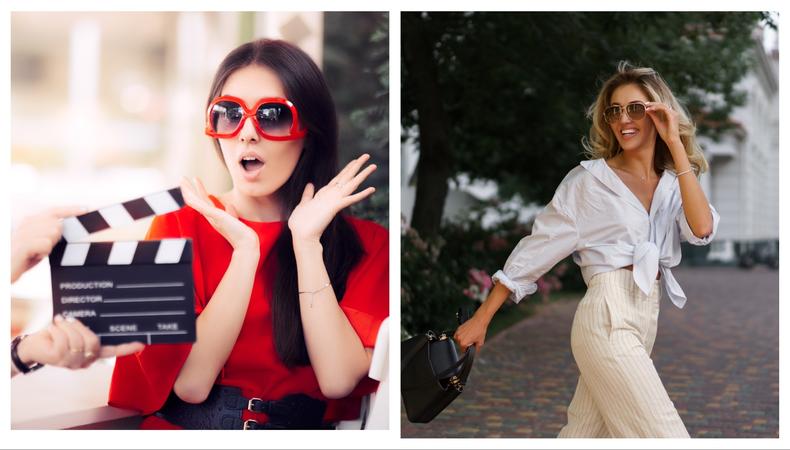
Before you dive into a modelling career, it’s important to know the differences among different types of modelling. One of the most crucial distinctions is between commercial models and fashion models.
There are plenty of similarities between becoming a commercial model and starting out as a fashion model, but as you learn more you’ll discover the subtle nuances, from measurement requirements to the job opportunities available.
JUMP TO
A commercial model is paid to be the public face of a brand or company, and aims to show potential customers how clothes can fit into their everyday lives. The photos from commercial modelling shoots typically feature on billboards, in print adverts, in social media campaigns, or on a brand’s website.
Fashion modelling is part of a more theatrical artistic vision. A fashion model takes part in runway shows and editorial work for magazines. The target audience is usually consumers of high fashion, celebrities, and people in the fashion industry, such as designers, stylists, photographers, and buyers for high-end stores and boutiques.
There is, however, a crossover between these types of modelling. Many of the world’s top fashion models also appear in big commercial advertising campaigns for luxury brands, from fashion to jewellery to cosmetics, whether it’s Hailey Bieber for Yves Saint Laurent, Jourdan Dunn for Charlotte Tilbury, or Irina Shayk for Swarovski.
A commercial model features in advertising campaigns and product marketing to help companies to sell their goods or services. It could be anything from a big billboard to a TV ad to supplementary images for a website or catalogue. A commercial model could find themselves selling anything from clothes to car insurance to fast food.
With commercials targeting all sorts of demographics, commercial modelling requires a wider range of models with regards to age, size, ability, and ethnicity to reflect the brands’ customer bases.
Fashion models, on the other hand, work almost entirely within the fashion industry. Their work may include some commercial roles, such as ad campaigns for clothing brands. It may also include editorial photo shoots for fashion magazines, runway events for fashion week or student fashion shows, or being a fitting model – like a live mannequin for fashion designers.
When considering a career as either a commercial or fashion model, there are five important distinctions to make.
1. Physical requirements
Different types of modelling require different model body measurements.
Fashion models
Fashion modelling has traditionally adhered to strict physical standards, especially in the runway and high-fashion sectors. Typical requirements include:
Height: Generally 5-foot-9 to 6-foot for women and 6-foot to 6-foot-2 for men.
Dress size: Women are often expected to fit sample sizes, typically 4 to 10.
Measurements: A standard measurement for women is around 34-24-34 inches.
Age: Most fashion models start in their teens and peak in their early 20s. Fashion model Inès Céline told the Guardian that starting her career at 21 was “quite late, by industry standards.” Even models such as Cara Delevingne tend to diversify as they get older, turning to acting, music, or starting their own businesses.
The industry is evolving slowly toward inclusivity, but many top-tier fashion houses still look for models who meet traditional criteria.
Commercial models
Commercial modelling, by contrast, is far more inclusive when it comes to physical appearance. There is demand for models of all ages, sizes, heights, and ethnicities. Whether it’s a senior model advertising retirement plans or a toddler in a commercial for nappies, there’s a wide spectrum of opportunities.
In commercial modelling, relatability is key. Brands want consumers to see themselves in the model and believe they could also use and benefit from the product.
2. Types of work
Fashion models
Fashion models often are required to convey strong emotions and artistic poses in their work. The jobs include:
- Runway shows: walking for designers during fashion week or brand launches
- Editorials: concept-driven photoshoots for fashion magazines
- Lookbooks: catalogues showcasing a designer’s seasonal collection
- Campaigns: ad shoots for fashion brands’ seasonal or product-specific launches
Commercial models
Commercial work often involves light acting, smiling, and portraying natural or everyday scenarios. Commercial models take on roles including:
-
Print advertising: magazine and newspaper ads for consumer products
-
TV commercials: acting or posing in videos that advertise services or products
-
E-commerce: modelling for online clothing stores and product listings
-
Lifestyle shoots: posing in everyday settings to promote a product
3. Longevity
Fashion models
Fashion modelling can be high risk, high reward. Landing a top campaign or walking for major designers can bring fame and lucrative contracts, but the window for success is short and the competition is fierce. Many fashion models face early burnout or struggle to find consistent work.
Top-tier fashion models such as Gisele Bündchen, Naomi Campbell, and Kendall Jenner have built empires. But they are the exception, not the rule.
Commercial models
Commercial modelling offers more stability and longevity. Since there’s demand for models of all ages, a commercial model can work well into their 40s, 50s, and beyond. It may not be as glamorous as fashion modelling, but it can be consistent and well paid, especially for those who work in multiple categories.
4. Public recognition
Fashion models
Fashion models often enjoy greater public visibility, especially if they work with well-known brands or appear in top publications. They may be recognised on the street or followed closely by fashion media and fans.
Commercial models
Commercial models typically have less name recognition. Their faces may be familiar from a national commercial or print campaign, but they usually don’t have the celebrity status that comes with high fashion.
That said, commercial modelling can be more accessible and less invasive, allowing for a successful career without the spotlight.
5. Starting out
Fashion models
Breaking into fashion modelling usually requires signing with a reputable agency, attending castings, and building a portfolio with high-end photographers. It’s a highly competitive process with few entry points.
Commercial models
Getting started in commercial modelling is often easier and more flexible. Many smaller agencies represent commercial models, and opportunities can come through open casting calls, online submissions, and local ad agencies.
Whichever route you choose, a professional attitude, a strong portfolio, and good communication skills can go a long way.