If your Blue Steel gaze is a knockout and you can practically cut diamonds on your rock-hard abs, consider life as a top international model. Such men are always needed for ads, catwalks, and photo shoots, but breaking into the fashion industry takes hard work. You need dedication, a smoking-hot portfolio and just a little bit of luck. Carry on reading for our top tips on how to become a male model in Australia.
JUMP TO
Male models come in all shapes and sizes. The fashion industry has recently shown more openness to diverse body types, so you don’t necessarily have to be chiselled, white, tall, and muscular to consider a male modelling career. That being said, change is gradual, so the catwalk isn’t exactly a mirror to the real world just yet.
There are exceptions for different types of modelling work, but on the whole, most male models are at least 5 feet, 10 inches tall. Some plus-size male models are bigger weight-wise, but all male models must look healthy and have an attractive physique.
There are many types of work for an aspiring male model to consider, including working for brands, fashion designers, or magazines.
Knowing the type of modelling that will suit you is an important first step. What kind of model are you?
Fashion and editorial model
This is the kind of modelling most people think of when they first consider the career. Being the centre of an arty editorial shoot for a top designer can be lucrative and make models into household names (think: David Gandy or Jordan Barrett). Typically, male models are between 6 feet and 6 feet, 5 inches tall and have a 32-inch waist.
Catwalk model
If strutting down a runway in Paris or Milan sounds like you, then catwalk modelling might be worth a look. Measurements are important here as you must look good in the clothes. Runway models are usually between 6 feet and 6 feet, 3 inches tall, wear a 40- to 42-inch top, and have a 32-inch waist or smaller.
Commercial models
Male commercial models promote products other than high fashion, such as watches, cars, and ready-to-wear clothes. Again, height matters; commercial models are generally 5 feet, 10 inches or taller, but they can be any size or body shape, depending on the needs of the brand represented.
Plus-size models
Plus-size models, sometimes known as “brawn” models, promote clothes for bigger-sized men (aka most men!). Usually, they have chests larger than 42 inches. For inspiration, check out the work of top brawn bod Zach Miko.
Fitness models
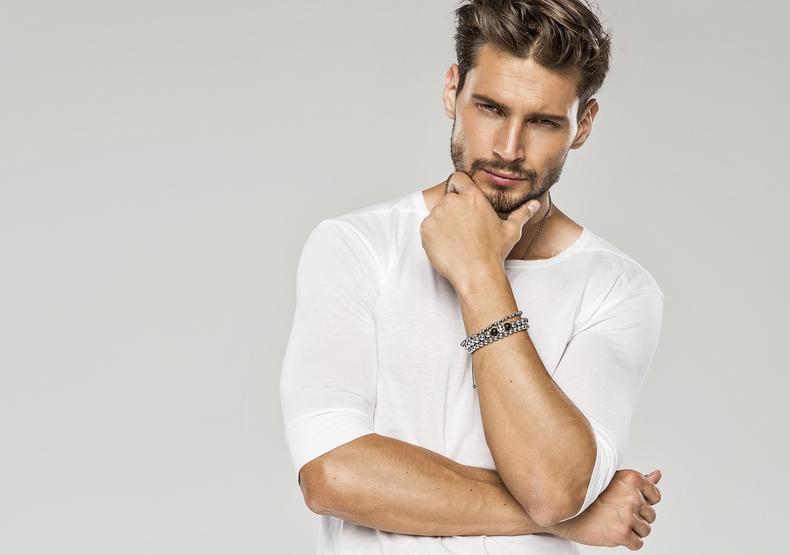
Hello, Mr. Muscles! If your abs are your pride and joy, then fitness modelling might be for you. Lean, lithe, and athletic, this type of male model is typically over 6 feet tall with a great body. They’ll typically work for athletic brands or fitness companies on TV, print, and promotions. Hunks in trunks, this is for you.
kiuikson/Shutterstock
Making money from showing off your body sounds easy, but models must be dedicated to looking after themselves. If you want a life as a top model, you can forget that ice-cold pint right now. Exercise, drinking water, and moisturising are all part of a model’s everyday regime (beer is not, I’m afraid). Grooming is also essential – if you don’t know your local manicurist, you will soon.
Also, think about your own character. Models are hardworking and travel frequently. If you’re a homebody, it might be time for a rethink. Do you take direction well? Models need to be able to follow instructions in a friendly, professional manner without complaining.
Finally, ask the people you trust, namely your friends and family, if they think you have what it takes. Self-belief is crucial, but so is having a network of people who will support you.
Knowledge is power when it comes to succeeding as a model. Check out the brands you want to work with and see what kind of models they use. Study the social media accounts of photographers whose work you like, agencies that can get you work, and models whose careers you aspire to emulate.
As a starting point, take a deep dive into the backgrounds of the world’s top male models, including Aussies Jarrod Scott, Jordan Barrett, Josh Heuston, and Elias Black. Learn what makes them successful, how they got started, how they were scouted – and, most important, what makes them unique.
Male modelling isn’t just about being naturally gorgeous; it also requires skill – and working effectively with a photographer is perhaps a model’s most important skill. Practise your poses in front of the mirror and snap pictures on your phone to learn your best looks. Knowing your best angles and how to work them will set you ahead of the pack.
FXQuadro/Shutterstock
Creating a modelling portfolio is your chance to showcase your skills and best looks. It should be a collection of your most fabulous modelling photographs and show off everything that is unique about you.
The portfolio should be made up of high-quality professional photos, including a headshot, full-length body shot, and other creative poses. This is not a time to be shy, so show them what you’ve got. Also, remember to include your contact details – name, age, hair colour, eye colour, body measurements, and a brief professional summary about the work you’ve done so far.
Although your portfolio must be digitally accessible, you’ll also need physical copies and composite cards (aka comp cards, which are business cards for models). Hand these out to prospective clients, photographers and agents. Your portfolio is your calling card to the industry, so make sure they can see it!
See Also: How to Create a Modelling Portfolio
One of the most immediate ways to market yourself is through social media. Post your best pictures on your channels and tag the brands and agencies you want to work with. Use hashtags like #scoutme to get attention – many top agencies scout via their socials, so get out there! Also, remember that they’ll be interested in your personality, too, so make sure your story is front and centre in any posts you put up.
Getting a top agent is still one of the best routes to a successful career. They have the contacts and experience to get you the jobs you want. Find out who represents the models you admire. Ask questions like: Is this agency booking the kind of work I want to do? What is their ethos? Do they have a good reputation?
Some agencies hold open calls where they invite new talent to come in and meet their bookers. Others invite you to contact them via email or social media.
Check out StarNow’s round-up of some of Australia’s top agencies and how they prefer to be contacted. And remember to do your research. No legitimate agency will ask you for money from the get-go, so if that is suggested, immediately get yourself out of there. Good luck!
Find your next job with our Model Castings