From Will Arnett’s emotionally complex performance as the titular Bojack Horseman to Teresa Gallagher’s rapid-fire, hyper-versatile Nicole Watterson in The Amazing World of Gumball, cartoon voice actors (VAs) breathe life into an incredible range of characters.
Just look at the cast of Toy Story. When Tom Hanks first voiced Woody in 1995, his character was struggling with jealousy and an identity crisis. Three decades on, Toy Story 5 sees him facing an existential crisis against the rise of screentime. “Woody has gone through a lot,” Hanks said during a recent virtual press conference. “Returning to a character I have been with for 30 years, I felt the need to acknowledge all the lessons learned along the way. I approached this role with a greater sense of responsibility than any other character.”
Learning how to become a voice actor for cartoons clearly means more than knowing how to do a silly voice. But how do you get started? How can you stand out during a cartoon audition?
As Bojack Horseman’s Mr. Peanutbutter would say, “Let’s find out!”
JUMP TO
1. Focus on acting.
“Voice acting is acting,” says VA and YouTuber Anna Brisbin. “It’s not about how many voices you have or what kind of voice you have. It’s about how many characters you can believably act.”
Take acting lessons, get involved in amateur drama, read up on techniques, and do anything else you can do to improve your acting. If possible, find a coach who can evaluate your technique.
2. Create a recording space.
“The majority of us voiceover artists have set up our studios at home,” says VA Hannah Patterson. Especially since the pandemic, “producers expect you to be able to record at home and send the audio to them.”
Don’t drop megabucks right away, but you will need a home setup to do it professionally. “An improvised setup including a mic, pre-amp, and editing software will set you back a few hundred pounds,” says voice actor Christopher Tester. “Educate yourself on using them and how to soundproof and acoustically treat your recording space.”
3. Record samples, then demos.
A few samples can be recorded at home when you’re getting started. Record a few varied lines for the type of work you’re seeking, and then put them up online. It’s not enough for big budget projects, but it’s fine at first.
A few samples can be recorded at home with minimal equipment when you’re just getting started. Record a few varied lines for the type of work you’re seeking, and then put them up online. “Take whatever microphone you have, throw yourself into a walk-in closet, and record yourself,” says VA Harry Gill. “If you don’t have a microphone, I will say most phones have decent mics.” Such a setup probably isn’t enough to submit to high-quality projects, but it’ll get you started.
When you’re ready to go pro, you’ll want a professionally produced demo reel that showcases the full breadth of your vocal capabilities to help secure an agent who can shop it around to get you auditions for bigger gigs.
4. Search for work.
An agent can hook you up with more prestigious gigs, but there’s no harm in checking online casting calls and social media for available jobs, too, especially while you’re finding your feet.
Remember: Even established VAs probably can’t rely on animation work alone. Audiobooks, corporate and commercial work, and e-learning all offer experience as a voice actor – even if they aren’t your dream roles.
5. Find representation.
Major studios almost always work with agents rather than advertising their jobs via open casting calls. You’ll be ready to find one once you’ve amassed a little experience and made a polished, professionally produced demo reel.
Look for dedicated voice acting agencies or agencies with voiceover departments, especially those with a focus on animation. Follow the instructions on their websites for submitting your interest.
6. Network.
Voice acting is less introvert-friendly than it appears. Even if you’re always recording alone, you need to forge strong connections with other people in the industry.
“The only way you’re going to get work is by getting to know people and them getting to know you,” Patterson says. “Get involved in the industry by connecting with other voiceover artists and connecting with producers. Things like Facebook Groups for voiceovers and LinkedIn are fantastic.”
Classes, workshops, and live events such as the One Voice Conference and VOX events are also ideal. Just focus on being yourself and making friends rather than meeting as many people as possible.

Friends Stock/Shutterstock
Prepare
“Really study the copy,” says Sara Sherman, executive director for Disney Television Animation. Audition sides (like this) usually provide character breakdowns, vocal and emotional directions, and info on how to name and submit your file. Review everything so you’re fully prepared before starting. You may also familiarise yourself with the network or studio’s typical style and audience.
Dive into the character
You’re not just doing a voice, you’re portraying a character. Really question who they are and how they think and see themselves.
US voice actress Katie Leigh (Totally Spies!, Gummi Bears) recommends diving into a character by picturing yourself with their physical characteristics. “I have these little hands. I have big hair. I have cute little eyes and a nice little smile,” she says. “That’s who I am when I read these lines.”
Be yourself
Understanding the character is important, but you should also bring your own personality. “Only you can do you,” says Sherman, who listens to around 500 auditions per casting. An original take on the character stands out more than replicating a famous voice or giving what you think the casting director wants.
Be bold
“You have to be willing to play around and not afraid to look silly,” says legendary VA Tara Strong (My Little Pony, The Fairly OddParents), while Neil Ross (Transformers, Voltron) points out that “stage or on-camera performance would be more like a formal representational painted portrait, [but] animation voice acting is more like a caricature or a sketch.”
Don’t shy from taking risks or going bigger or more exaggerated than you would for physical roles. Even more than other voice acting auditions, animation requires animation.
Stay adaptable
Alicia Davies, the performance, script, and cast manager for Bad Fairies, describes most voice actors as “incredibly hardworking and very, very collaborative.”
Show that you tick those boxes by taking direction willingly, actively listening to any notes, and adapting your performance with them in mind. Be OK with a total change of direction if it’s requested; in fact, consider having a second interpretation of each character ready to go.
Carry out an audio check
Perform a quick quality check before you send any audio files. Ensure that there’s no:
- Echoey or boxy room noise
- Background noises
- Humming or hissing
- Plosive pops or clicks
- Unnatural pauses after editing
Rates vary widely depending on factors such as the type of project, the size of the role, character complexity, and your own experience. You’ll also typically earn both a basic session fee (BSF) and a usage fee.
BSF
This is the up-front fee paid for time spent actually recording the script. UK voiceover agency That’s What They Said quotes a typical hourly BSF of £300.
Gravy for the Brain, which offers online voiceover training, gives the following rough per-episode rates for animated films and series:
- Lower rate: £300
- Average rate: £450
- Upper rate: £600
Usage fee
Charged when audio is used for public or commercial purposes. Essentially, you retain ownership of the audio and license it for use in everything that falls outside the basic contract.
Usage fees can vary significantly among projects, as attested to by VAs such as Christopher Tester and agencies such as That’s What They Said. In some cases, a buyout agreement is reached that covers all possible use of your recordings in a single fee.
According to That’s What They Said, usage fees depend on the extent of use, including:
- Where audio will be heard
- How long audio is used
- The audience’s size
Credit: Paulo0023/Shutterstock
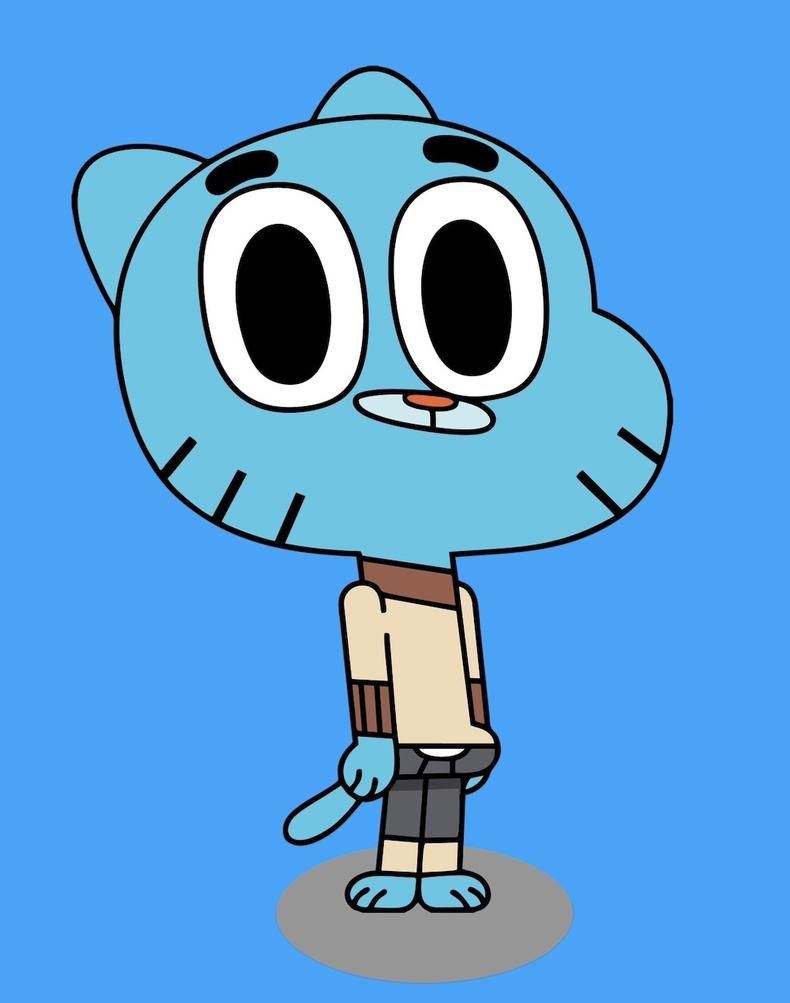
Teresa Gallagher: The Amazing World of Gumball, Thomas & Friends, The Octonauts, Alphablocks, and Cars 2.
Tim Curry: The Wild Thornberrys, Star Wars: The Clone Wars, Young Justice, and Over the Garden Wall.
Tony Jay: The Hunchback of Notre Dame, The Jungle Book 2, Rugrats, ReBoot, and Hey Arnold!.
Colin McFarlane: Fireman Sam, Bob the Builder, Thomas & Friends, and The Adventures of Captain Pugwash.
Neil Ross: Spider-Man: The Animated Series, Transformers, Voltron, G.I. Joe, and Hulk Hogan's Rock 'n' Wrestling.
Emma Tate: Horrid Henry, Everything’s Rosie, Pip Ahoy!, Milo, and Sydney Sailboat.
Aardman Animations (Bristol)
World-famous for stop-motion masterpieces such as Wallace & Gromit and Chicken Run, Aardman also produces CGI features such as Arthur Christmas and traditional 2D animations such as Adventures of ArachnoFly.
Hanna-Barbera Studios Europe (London)
Sister studio of Cartoon Network, Hanna-Barbera created The Amazing World of Gumball and Elliott from Earth. Upcoming projects include a Powerpuff Girls reboot and adult-animation series Hit Squad.
Blue Zoo (London and Brighton)
One of the UK’s largest animation studios, Blue Zoo’s credits include The Adventures of Paddington, Alphablocks, Numberblocks, and Digby Dragon. Second studio Brighton Zoo is dedicated to episodic 2D animation, including Supertato and Pixel and Patch.
Studio AKA (London)
Studio AKA’s long-running CBeebies favourite Hey Duggee has been broadcast in over 150 territories and drawn over 2.8 billion lifetime YouTube views. Other projects include short film Lost and Found and exercise series Activate with Joe Wicks.
Hocus Pocus Studio (London)
Hocus Pocus produces 2D, 3D, and motion graphics predominantly for corporate and commercial clients, but they’ve also made Ready Eddie Go! for Sky Kids and the trailer for Frankie Volts: Skating Through Chaos.
Locksmith Animation (London)
Locksmith is known for developing and producing independent CGI feature films, including Ron’s Gone Wrong and That Christmas, plus upcoming projects such as Bad Fairies and The Lunar Chronicles.