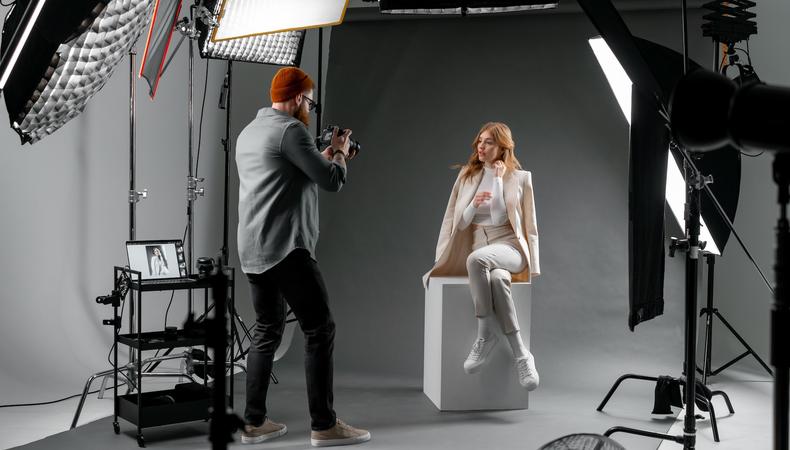
Brands are typically attracted to models who can embody their identity. Working with models who capture their aesthetic is an opportunity for brands to forge a link between themselves and their target customers to boost sales and foster engagement. Brand modelling can be beneficial for models given the scope for ongoing partnerships and the wide exposure it offers. If personifying a brand’s essence sounds like your kind of modelling, read on for how to attract this type of work.
JUMP TO
Haute couture runways and international fashion week events might seem the dream when you picture becoming a model, but brand models enjoy benefits and privileges too.
- Relationships: Brands you impress are likely to rebook you. Consistent work is welcome in freelance careers like modelling, and it can become more lucrative if increased sales demonstrate your value to the business.
- Diversity: While runway work still demands the tall, young, and slender, brands value whoever represents their target market, which often means there’s work for models of diverse body shapes and backgrounds.
- Experience: Working for brands can be as diverse as it is consistent. Beyond shoots for new collections, you may be hired to help with promotional materials, attend launches, or represent brands at events.
- Exposure: Brand modelling quickly fills portfolios and provides exposure. The events mentioned above help facilitate introductions to industry professionals.

aappp/Shutterstock
Pay for brand models depends on the brand and your own experience, but here are some rough estimates:
- Model and brand coach Kate Heussler estimates between AU$150 to AU$1,500 per hour
- Indeed.com gives a fluctuating estimate of AU$121,000 annual salary for models in Australia
- Talent.com gives a fluctuating estimate of AU$113,000 annual salary for models in Australia, with entry-level models making AU$85,000 and experienced models making up to AU$180,500
With more work comes greater exposure and recognition, especially when you're the face (or leading figure) of a campaign. Pay should increase as this happens. With a sizable online following, you could also make serious money promoting products in return for a commission. Model and fitness influencer Emily Skye, who commands an estimated net worth of AU$95 million, makes part of her income from a partnership with Women's Best.
Big names bring big bucks, plus often a per diem (daily allowance) and comps (complementary or reimbursed expenses) when travelling. However, smaller businesses can offset their lower fees by offering models greater creative control over what goes out – for example, you may have the freedom to choose your own poses or review images before they are posted or published.
1. Build a strong portfolio
New to modelling? Consider hiring a photographer for some professional shots to form the basis of your modelling portfolio. It should include headshots and full-body shots that showcase your potential and versatility. Try mirroring the composition, styling, and general aesthetic used by your dream brands. Photos should illustrate who you are as much as how you look. As noted by The Photo Studio: “Passion and [flair] will help you stand out from the rest. When viewing your photos, choose the ones you have a strong connection with that reflect who you are at your best!”
You should make a modelling comp card, too. This pocket-size CV contains your basic information (your contact number and email address, as well as your physical attributes) and a couple of your best pictures.
2. Find the right fit
Explore brands from different niches, such as fitness or swimwear, then assess whether you reflect their values and audience. Brands you know and love are great places to start; if you’re wearing their clothes, you’ll likely be emulating some of what they’re about.
The type of work also matters. Promotional modelling (increasing brand awareness at events) is a big part of working with some brands. Others prioritise lifestyle shoots that tell stories and capture emotions. The former could be great for outgoing extroverts, while the latter may appeal to models happiest in front of a camera.
3. Be on-brand (and stay on-brand)
Being on-brand means more than looking the part and staying healthy. When embodying a brand, your actions reflect upon them. Maintain a professional online presence and ensure public behaviour never runs contrary to the brand’s image. As a blog post on WINK Models explains: “[Companies] want to have [their] brand represented by someone who is the perfect team player and will never let [them] down.”
Pause before altering your appearance. While models with tattoos can certainly find work, anything from inks to piercings impacts your ability to represent certain brands.
4. Take social media seriously
Today’s models are more likely to be discovered on Instagram than at the beach or in the shopping mall. That’s good news! It’s now much easier for brands to connect with models. Naturally, brands will gravitate towards models and influencers within their target demographic, especially if they seem willing to interact with followers commenting on posts.
If you’re hoping to attract brands or agencies, tagging them is fine, but don't overdo it.
5. Hone your tone
Underline your value and professionalism by maintaining a consistent tone – don’t clutter your personal page with memes and cat pics. As noted by WINK Models, “It’s important to keep in mind a theme for your Instagram feed so your posts aren’t a hodgepodge of everything.”
Remember, if you’ve got a public profile – which you should, if you’re hoping to attract brands – then you’ll want to mind your language, keep your content clean, and change your settings to approve photos before you’re tagged. If you wouldn’t want a brand or agency seeing something, remove it.
6. Learn the brand
One brand modelling gig is great. More is better. Researching brands beyond their website copy and current catalogue shows you’re committed and increases the chance of repeat bookings. Get to know their favoured fabrics and cuts to appreciate how each garment fits and flows, and try adopting their products into your everyday rotation.
alexgo.photography/Shutterstock
Securing agency representation is a good call for anyone hoping to become a model in Australia. An agent will connect you with brands and develop your career to ensure a steady stream of work.
Start by researching reputable modelling agencies, noting down brands they’ve represented and who they like to sign. For example:
- Silver Fox works exclusively with models aged 30 to 80+ years old.
- Six Wolves focuses on BIPOC and LGBTQIA+ diversity.
- WINK Models has “a thriving division of plus-size male and female talent”.
- AEFM International connects fitness models with leading brands like Nike, Puma, Adidas, and Under Armour.
You can also:
- Explore affiliate programmes: Affiliate marketing allows brands to pay models to promote products online.
- Apply to be a brand ambassador: Ambassadors are typically celebrities and influencers who promote a brand and its products to raise awareness and drive sales. It falls outside traditional modelling but can provide a stepping stone in that direction if you have a strong online following.
- Network: Attend events and stay in touch with photographers, freelance agents, and other models – industry contacts can put you in touch with brands and put brand representatives in touch with you.
- Keep pitching: Don’t wait for brands to come to you. Send your comp card and portfolio to brand representatives. Check job boards and casting calls regularly, and above all stay visible.