
How do you earn money from social media as an influencer? To be the next Joe Wicks, Saffron Barker, or Abisola Omole, you’ll need to know how to generate cash from clicks. Influencing is a huge industry, and it’s on the upswing: Last year, influencers took in over $21 billion globally, and that number is projected to grow to $51.66 billion by 2030. So, how do you get your cut and become a money-making influencer?
JUMP TO

Fred Duval/Loredana Sangiuliano/Shutterstock
Influencers use their social media platforms (typically Instagram, TikTok, YouTube, or Facebook) to sway their followers to buy products or services. They’re typically authority figures with knowledge in a certain field, and they have a trusted reputation among their followers. Brands buy into the reputation these digital creators have built to sell their products. The more followers you have and the more influence you wield, the more money brands will pay you to promote their products.
There are several types of influencers, and the larger your following, the greater your earning potential. Having between 1,000 and 10,000 followers makes you a nano-influencer; hit between 10,000 and 50,000 and you’re a micro-influencer; and having between 50,000 and 500,000 followers boosts you to the mid-tier range. If you have between 500,000 and 1 million followers, you’re considered a macro-influencer; above 1 million and you join the ranks of Beyoncé, Cristiano Ronaldo, and Jamie Laing as a mega-influencer.
Famous UK influencers:
- Jamie Laing: Broadcaster, entrepreneur, and reality TV star
- Sophia & Cinzia: Podcasters; beauty and fashion influencers
- Saffron Barker: Actor and reality TV star
- Molly-Mae Hague: Fashionista and former Love Island contestant
- KSI: boxer, musician, and YouTuber
- Zoe Sugg: YouTube vlogger and entrepreneur
- Sam Thompson and Zara McDermott: Reality TV stars turned influencers
If you have the followers and are producing quality content on a regular basis, you might wonder how to translate this into cash. There are five main ways to make money from influencing:
Affiliate links
Brands pay you to place links to their products on your posts or sites. Every time someone clicks through one of these links and buys something, you earn a cut, often around 10%. For example, you might be using a certain type of cosmetic eye mask before a big audition. Negotiate an affiliate relationship with the brand, and if you link to the mask and your followers buy it, you get paid.
Advertising
Brands pay you to post traditional adverts, such as banner ads. On YouTube, you can earn money hosting adverts before or in the middle of your video content.
Sponsored content
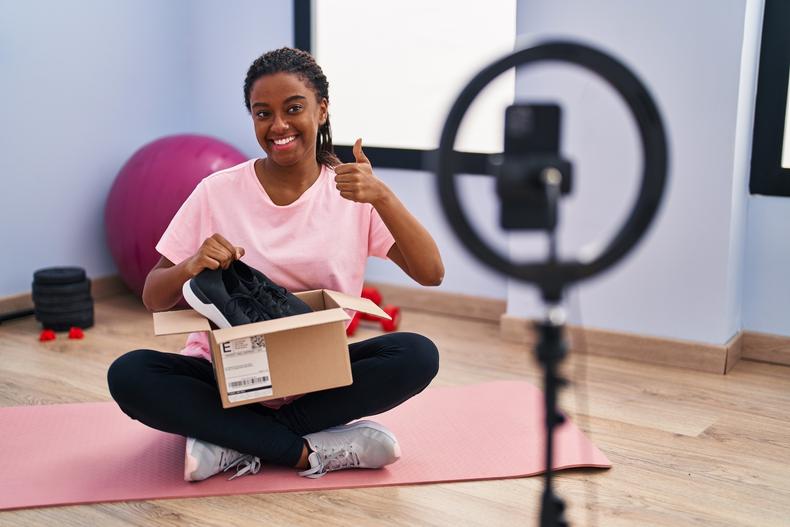
A brand pays you directly to create bespoke, authentic content on its behalf to share with your followers. This is referred to casually as “spon con.” It can also involve product placements in your posts, product reviews, or events coverage.
Becoming a brand ambassador
Being an ambassador means embracing all of the above and being a voice for the brand on social media and elsewhere. It often involves signing a contract outlining your obligations.
Merchandise
Some influencers create their own merchandise, such as T-shirts and water bottles, to sell to followers. Others sell personalised fan videos or even pre-existing images. If you’re an expert in your field, you can also make money by selling online classes via your posts.
According to influencer marketing platform Tribe, social media specialists offer the following ballpark ranges of charges per post on Instagram:
- 3K–50K followers: Up to £400 per post
- 50K–100K: Up to £800 per post
- 100K+: Up to £1800 per post
Krakenimages.com/Shutterstock
Firstly, brands pay for name recognition, but that doesn’t mean you have to be a celebrity. Plenty of influencers started small. In fact, a Hubspot survey found 81% of brands prefer to work with smaller influencers because they’re typically cheaper and often receive a higher engagement rate per post.
How much you get paid depends on the quality of your work and your follower numbers. You may not be a household name, but if you have over 1,000 followers, brands will want to work with you if your followers fall into a demographic they’d like to target.
Your engagement rate also counts. This determines how interested your followers are in your posts. Do they click the links you share? Do they comment, repost, or share more widely? Essentially, do you have a relationship with your audience that can be converted into sales if a company works with you? To calculate your engagement rate, divide the number of likes and comments on a post by your follower count. According to Hootsuite, the Instagram average is 1.7%.
- Instagram: This is the go-to platform for most influencers and the brands that hire them. A recent Hubspot survey of marketers said 72% chose it as their social platform of choice due to it being visual-led, popular, and great for showing off products. Plus, it generated the most sales.
- TikTok: The new kid on the block looks set to threaten Instagram’s influencing top spot in the near future; 61% of brands use TikTok influencers.
- YouTube: The video platform is preferred by 58% of marketers, with about half that number believing it yields the highest ROI when working with influencers.
- Facebook: The original platform among the group still wields power when it comes to influencing certain demographics. In fact, 57% of brands use it; 20% of marketers said it yielded the highest rate of investment of all the channels.
The main directive: Always make sure to clarify when a post is an advert so your followers don’t feel duped. That means if you’re getting paid by a brand, you need to make that very clear by saying so or using hashtags like #ad and #sponcon. If in doubt, read the Advertising Standards Authority (ASA)’s Influencers Guide.