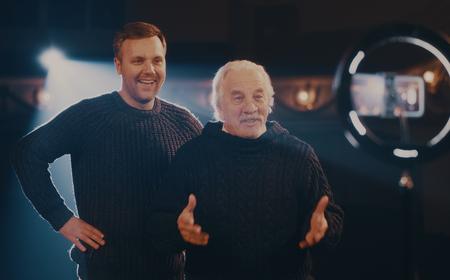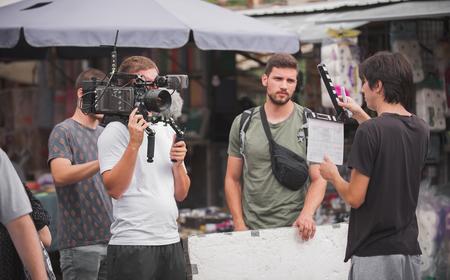
While it might not be the most glamorous role, being a stand-in provides regular experience on set, and it’s a chance to work closely with both crew and actors. It can also pave the way to a role as a featured actor – just ask Samuel L. Jackson, who worked as a stand-in before making his own name.
JUMP TO
A stand-in takes the place of a principal actor for rehearsals, blocking, and lighting setups on TV and film productions.
Stand-ins watch actors rehearsing, then copy what they do so that the camera and lighting crew can set up efficiently without the main actor.
Many TV shows and movies hire stand-ins, and on smaller productions, a stand-in might also help with testing audio equipment and rehearsing script readings.
Many people who do stand-in work fall into it by chance or opportunity. They’re often already on set working as a background actor and get called to be a stand-in. Signing with an extras casting agency is also a way in, as they often supply stand-ins.
Acting experience isn’t always required, but it can be useful if you’re asked to run lines or help block a scene with an actor.
Unlike body doubles, who physically take the place of an actor in scenes like stunts, stand-ins are never visible on screen and you don’t need to look similar to the actor as long as you match their skin tone, height, and weight.
For example, short adults often stand-in for children. Gender isn’t necessarily a barrier for some stand-in roles. When U.S. actor Sterling K. Brown was cast on the drama series Army Wives, his stand-in was Miriam Crawford Grant.
Sometimes, stand-ins are hired for experience and professionalism, rather than matching the actor’s looks. If you do a good job, you might be booked again.
Think about actors you resemble or could be a photo or stunt double for. Don’t limit yourself to big name movie stars, as anyone with a principal role in a production will likely need a stand-in. Check whether their projects are currently in production, as you can submit a headshot and CV to either the production company or its extras casting director with a brief, polite email acknowledging your likeness.
After your first booking, success often comes down to experience and relationships.
Gorodenkoff/Shutterstock
Being a stand-in involves more than just standing on a set. A good stand-in makes life easier for everyone and helps save time, which saves the production money.
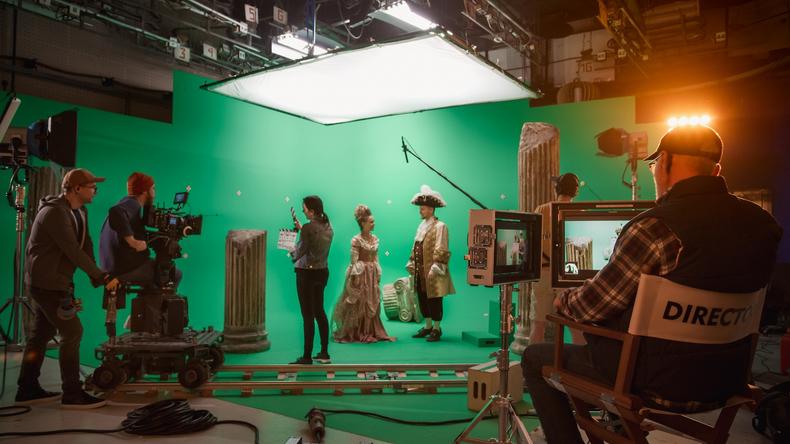
Their main role is to help the crew work out the right placements for shooting, as it’s a time-consuming process; a stand-in helps free up the principal actor for the costume or makeup department – or even just allows them to take a break.
Stand-in actors are used by:
-
Directors: Stand-ins help them work out blocking (how actors move on stage) and figure out how things look on camera.
-
Camera crew: Stand-ins allow them to get exact angles, measurements, and distances to ensure proper focusing.
-
Lighting crew: They help to ensure shadows and lights are properly placed or displaced.
-
Grips crew: Stand-ins mark where the actor will stand, usually with tape on the floor, known as “marks.”
Stand-ins closely watch actors rehearse and block scenes before stepping in to re-create the exact positioning for the crew, while the actor steps off set to go through last looks with hair, makeup, and wardrobe departments.
Sometimes, stand-in actors are given a script to read, and they might be called to walk through scenes while crew work out the blocking and lighting.
- You support the crew but also know how not to get in anyone’s way.
- You’re professional, focused, and ready to be in place at call time – it’s best to stay close to the set while on standby.
- You’re observant: You take note of blocking, marks, and crosses, and you watch every detail while scenes are rehearsed as you need to copy the actor’s exact movements.
- You’re familiar with production terms used on set, so you know what’s being asked of you.
As a stand-in, you may find yourself working with top professionals, including actors, directors, producers, directors of photography, and other acclaimed crew members.
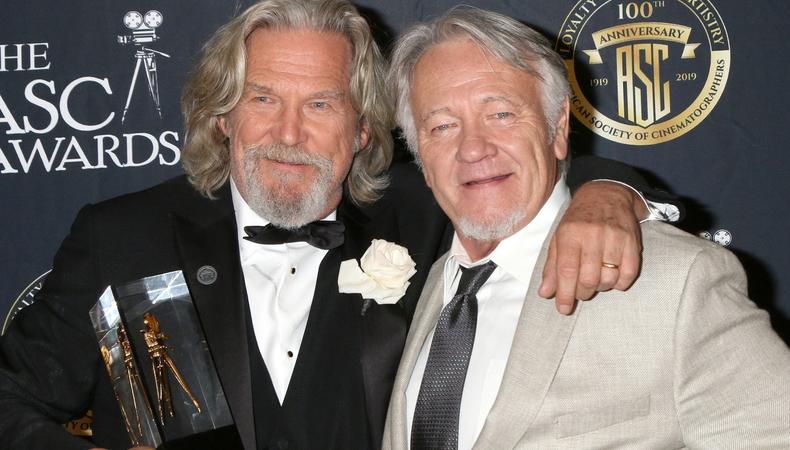
Many A-list actors keep the same stand-ins throughout their career, even going as far as writing it into their contracts. The late Robin Williams' stand-in for numerous film roles was Adam Bryant, while Jeff Bridges – who coincidentally worked with Williams and Bryant on the fantasy comedy The Fisher King (1991) – has worked for five decades with his stand-in Loyd Catlett.
Stand-in work can be a great way for aspiring actors to obtain on-set experience, get a foot in the door, and network with cast and crew.
In particular, you’ll learn the technical aspects of on-camera acting, as you get to see how scenes are shot (and reshot).
Production crews appreciate actors and performers who have this insight and know how to work well on set, so being a stand-in can also be an opportunity to pick up leads for future work – whether for stand-in roles or as a principal actor.
While a lot of your time involves standing on a mark, it’s not always easy. Stand-ins work long hours, and the more experienced ones are often called on to help the crew block and set up scenes and do script rehearsals.
Some early-career actors and performers end up becoming full-time stand-ins, while others find ways to balance stand-ins with auditions.
If you pursue a career as a stand-in, you’ll likely pick up important, practical knowledge (that featured actors may not have) about how actors and crews operate on set. Network effectively, and it may pave the way to a career in front of the camera.